La Giornata dei diritti umani si celebra ogni anno il 10 dicembre, ovvero l’anniversario del giorno in cui l’Assemblea generale delle Nazioni Unite ha adottato, nel 1948, la Dichiarazione universale dei diritti umani. Nel 2018, la Giornata dei diritti umani segna il 70 ° anniversario della Dichiarazione universale dei diritti umani e il tema prescelto è “stand up for the human rights”.
Ho pensato quindi di proporre in questo articolo il punto di vista di due donne determinate e tenaci che che hanno portato le proprie testimonianze al Festival dei diritti Umani organizzato a MIlano quest’anno.
Hindou Oumarou Ibrahim è una donna della comunità Mbororo in Ciad e un’attivista ambientale. Al festival dei diritti umani è venuta per per parlare dei problemi del cambiamento climatico nel suo paese. In Ciad, in 50 anni, il 90% dell’acqua è scomparsa e le temperature raggiungono i 55 ° C in estate rendendo la vita della gente indigena impossibile.
Ma Hindou Oumarou Ibrahim al Festival ha portato molto di più di una testimonianza sull’importanza di ridurre le nostre emissioni per far fronte all’innalzamento delle temperature. Hindou è venuta ad esporre le avversità che affliggono il suo Paese con enorme coraggio. Uno straordinario coraggio che le è stato dato dalla comunità in cui è cresciuta. Questa comunità le ha insegnato ad affrontare molte ingiustizie nel mondo, in particolare quelle riguardanti le donne in generale e le donne indigene in particolare .
Nelle comunità indigene del Chad infatti le donne assumono la responsabilità della sicurezza del villaggio perché gli uomini emigrano nelle metropoli per cercare lavoro durante la stagione secca. In questo modo le donne diventano le custodi delle risorse naturali, della conoscenza e della cultura tradizionali, e devono trasmettere il loro sapere ai giovani rimasti. Ma la loro società è basata ancora su un modello patriarcale ed è davvero difficile per le donne trovare il loro posto perché, benché abbiano le stesse responsabilità, sono trattate in modo diverso dagli uomini. Per lei, è nelle relazioni internazionali che le donne devono combattere di più per far sentire la propria voce
«Dobbiamo dare la possibilità alle donne di parlare senza freni”
Ibrahim spera che il suo lavoro incoraggi le persone a conoscere e comprendere i problemi che ancora impediscono il totale rispetto dei diritti umani, oltre a pensare all’importante equilibrio tra l’umanità e l’ecosistema. Ma soprattutto, spera che il suo lavoro aiuti ad aumentare il potere delle donne, in modo che entrambi i sessi possano raggiungere gli stessi obiettivi sociali e ambientali
In fondo, il modo migliore in cui possiamo mettere le persone al primo posto è abbracciando l’idea che tutte le vite hanno lo stesso valore.
Nara Baré è una donna indigena del Brasile. Lavora in un’organizzazione internazionale che combatte per la salvaguardia dei diritti dei gruppi indigeni. Si sveglia ogni giorno e cerca di raggiungere il suo scopo nella vita: rendere visibili gli indigeni.
Baré spiega come gli indigeni siano evitati dal governo brasiliano, in particolare a proposito dei progetti agricoli che riguardano la loro vita, i loro terreni e l’ambiente. Proteggere la “Pachamama”, la madre Terra, sta diventando ogni giorno più impegnativo a causa dei processi di urbanizzazione, agricoltura e sfruttamento del suolo. Secondo il suo racconto, in Brasile le autorità invadono costantemente la foresta amazzonica per sviluppare progetti al solo fine di generere profitti. Nara Baré ricorda di aver fatto molte manifestazioni mentre era adolescente in difesa della foresta Amazzonica, manifestazioni in cui erano coinvolti uomini, donne e bambini, tutti insieme per dimostrare al governo che tutti gli esseri umani sono uguali, capaci di tutto e allo stesso tempo dipendenti dalle decisioni del governo. Anche se erano coinvolti dei bambini, le autorità brasiliane contrattaccavano questi gruppi con violenza, armi e bombe. Li trattavano come animali. Ancora oggi, dice Narà, gli indigeni sono come invisibili agli occhi del Paese. Esistono 365 gruppi indigeni in Brasile che parlano più di 260 dialetti. Ma non hanno neanche un membro che li rappresenti al Parlamento.
Per questo Nara Baré ha creato il movimento Terra Livre in Brasile, parte di un’organizzazione internazionale che lavora anche in Messico, Colombia e Filippine. Gli attivisti si prendono cura dell’ecosistema mentre combattono attivamente per i diritti dei gruppi indigeni contro le autorità.
Attraverso Terra Livre stanno combattendo per ottenere membri rappresentativi nel Parlamento, per mantenere le loro tradizioni – che il governo vuole eliminare imponendo loro il cristianesimo – e per sopravvivere a un genocidio.
“Chi protegge la madre terra non è un criminale, chi protegge la vita e i diritti umani non è un criminale, chi rompe le barriere e alcune frontiere per combattere per la terra non è un criminale”.
Grazie per il prezioso contributo a: Julie robledo, Isabel Márquez de la Plata, Haley Velez
Dal momento che sei arrivato fino a qui La missione del nostro magazine online è scrivere di come le aziende stanno comunicando il loro impegno per affrontare le grandi sfide del Nuovo Millennio. Dall’emergenza climatica all’ineguaglianza sociale passando per tutte le tematiche incluse nell’Agenda degli Obiettivi di Sviluppo Sostenibile, grazie ad algoritmi di intelligenza artificiale, monitoriamo la congruità delle loro affermazioni, cioè se fanno quello che dicono. In un mondo in cui l’informazione veritiera è una merce sempre più rara, pensiamo che i cittadini meritino di avere accesso ad analisi accurate che hanno al centro l’integrità. La nostra indipendenza editoriale significa che la nostra agenda di contenuti viene declinata soltanto per dare voce alle nostre opinioni, sostenute da ricerche approfondite, liberi dall’influenza politica e commerciale di shareholders e proprietari milionari (che non abbiamo). Questo significa che possiamo esprimere opinioni in controtendenza e dare voce a chi ne ha di meno. Speriamo che questo possa motivarti a sostenerci ogni giorno. Il contributo di ogni lettore, piccolo o grande che sia, è estremamente utile. Supporta BeIntelligent anche con unpiccolo contributo. Grazie!
Mi occupo di comunicazione da 20 anni, ho lavorato nel marketing di grandi aziende internazionali e italiane e conosco i meccanismi della persuasione pubblicitaria. Ho deciso di investire il mio know how e le mie competenze per usare le risorse che hanno a disposizione le aziende (investimenti ma anche capitale umano) nella trasformazione positiva. Perché agli studenti di tutto il mondo a cui insegno Purpose Brands in Università Cattolica voglio poter dare sempre più esempi di aziende virtuose che hanno investito per il futuro, di tutti (e ce ne sono già molte!). Perché se stiamo a guardare, senza agire, senza responsabilizzarci, non abbiamo scuse. View all posts by elena grinta
Ecofriendly. Organico. Naturale. Fast? 1 Giugno, 2020 Ecofriendly. Organico. Naturale. Verde. Questi termini vengono spesso vengono spesso utilizzati per pubblicizzare…
IKEA continues its commitment to the defense of minorities against social issues: after the communication campaign against gender inequality and domestic violence in 2018, in February 2019 launched one against cyberbullying and May as against discrimination against the LGBT community
His commitment was rewarded at Cannes with a Lion grand prix Health & Wellbeing (health and wellness) thanks to product innovation created by Mccann Tel Aviv aimed at improving the social impact of Ikea products making them accessible to people with disabilities
All the campaigns mentioned so far are so-called cause-related marketing initiatives, that is advertising that supports social causes, and that represent the values of the brand (and suggest how the brand wants to be seen by its consumers)
Initiatives that also aim to correct the perception of the brand modified by some news that created a backlash like that of the single mother of two children – one of whom is 100% disabled – fired by the company (the judge’s sentence then confirmed the provision ) or the accusations of age discrimination in some stores in the United States [1]
Not only social in the Swedish giant brand communication: in order to align with the goals of sustainable development in the 2030 Agenda, Ikea developed with DDB Group Italy ” minds of change: we support the idea of changing ” an advertising campaign which promotes the initiative of those Italians who propose to improve the environment in response to the ecological emergency. In this perspective, Ikea has announced that starting from 2020 it will distribute only recycled plastic products or products made from renewable materials in its stores and that by 2030 it will reduce the impact of each marketed product by 70%.
Ikea is active in promoting responsible consumption styles and a stronger environmental awareness , as well as making us reflect and take a stand on controversial and debated issues of high social value, always connecting with the theme of the home. It is no coincidence that Ikea has embraced a strategy called ” People & Planet Positive “, for which sustainability and social activism take the form of projects and actions that allow more and more people to have a better, healthier and future-oriented daily life. Planet, explains a press release issued on the occasion of the 30th anniversary in Italy . “The ambition to improve the daily life of the majority of people has guided us in these first 30 years in Italy. We are proud to continue to do so every day together with our 7,500 employees and over 40 million customers who have chosen us only in the last year – says again in the statement Assunta Enrile, Country Retail Manager and Country Sustainability Manager of Ikea Italia -.We look at the present and the future with optimism, thinking about how to continue to be close to the people and the challenges they are facing, in social and environmental terms, remaining faithful to the idea of democratic design. Ikea, in fact, will continue to be at the forefront of these issues, because we are convinced that change also comes from small daily gestures and that design can help us live better in our homes, in society and on the planet that is our common home “.
Ikea has shown in recent years to be attentive to ecology, investing in product innovation, in particular on one of the ‘main’ raw materials of its furniture: wood. Ikea has been committed since 2016 to obtain 100% of wood from ecological sources [2] and works with environmental associations (such as the WWF) to develop a more sustainable market for wood and cotton [3]
The ecological policy is also applied to address the problem of pollution generated by indoor toxic substances, because it is at home that we are exposed to 95% of pollutants, according to a study by the National Renewable Energy Protection Association. The Swedish giant says it does not use flame retardant chemical solutions normally used in furniture (to have a certain level of fire resistance) to the benefit of more sustainable solutions such as wool [4]
And it is always with this in mind that in 2019, together with a team of engineers, designers and specialists, universities in Europe and Asia, Ikea designed the curtains that purify the air : GUNRID , made in a fabric that ‘dissolves’ common pollutants indoor air, such as formaldehyde. This fabric consists of a mineral-based photocatalytic coating that is applied to the fabric. If activated by light, both internal and external, GUNRID breaks the common indoor air pollutants. The GUNRID air purification tent will be available in IKEA stores in 2020. It is one of the first IKEA products to deal with indoor air pollution, but probably not the last.
The importance of ethical communication
If it is essential that the multinationals today promote dialogue on important issues such as bullying, gender inequality, homophobia, it is equally fundamental that they do not do it to deflect attention from their potentially harmful or bad practices, what in jargon is called ‘attention deflection’. It is a current topic, at a time when many citizens are worried about their future, and companies communicate their ‘green’ and social commitment like never before
Surely the adv campaigns created by Ikea in the world have the ability to make sustainability exciting, encourage users to move from intention to action, are new because they challenge the status quo, are Nurturing as they focus on the needs of Others, and inclusive and Respectful of all humans, they avoid discrimination
Despite their efforts of innovation and communication , for greater environmental sustainability and a maximum responsibility towards its consumers , to which Ikea would like to facilitate everyday life, the Swedish company risks a fine such as that assigned to FCA and Starbucks . By the end of the year, in fact, the European Commission, which has been investigating since 2017 on Inter IKEA Systems, will have to communicate its position regarding a 2016 report presented by the Greens in the European Parliament.
According to Reuters reports , the authorities would like to repress tax agreements granted to Inter Ikea Systems, from the Netherlands
Inter IKEA Systems is the owner of the intellectual property of the Ikea brand and concept, Inter IKEA System is part of Inter IKEA Holding based in Luxembourg, which belongs to a company in the Netherlands Antilles
Inter IKEA Systems commented by e-mail to Reuters that ” like all other companies that work under the IKEA brand, Inter IKEA Systems BV undertakes to pay taxes in accordance with laws and regulations, wherever it operates. We believe that even in these cases we have paid the correct amount of taxes ”.
In fact, as Forbes also points out, the practices that derive from the corporate establishment of entities that hold the intellectual property of a trademark are not illicit and indeed allow the company to save taxes and customers to enjoy quality products at affordable prices.
According to the Greens’ report, this’ saving ‘would amount to one billion euros
The information is also reported in the online company database D&B Hoovers [5] , which considers several branches of the company that could be used for tax avoidance purposes at high risk.
independently of the decision of the European Commission, Ikea’s commitment could be extended to allow all interested parties to discover the company’s decisions : what are the benefits that European consumers will derive from the decision to create a complex corporate system as far as legal that yes, as Forbes affirms, allows the abatement of prices on the shelf, but creates a loss to the treasury for each country that goes from 35% less collected in Belgium to 64% of France?
Allowing the consumer to have all the information to help him make an conscious purchase decision is an act of responsibility that every company that decides to embrace the ‘Communication forGood ‘ should do, so that sustainability could be a genuine, integrated practice ( not bolted on)
[1] a report on the Business and Human Rights website entitled “USA: the employee filed a lawsuit against Ikea for alleged age discrimination; incl. company statement “and dated February 2019, stated:” Ikea was hit with its fifth lawsuit in just over a year in US courts, claiming age discrimination. ”
[2] The IKEA Sustainability Report 2016 stated: “All the wood used in IKEA products comes in accordance with the IKEA IWAY standard Forestry Section. In Exercise 18 we expanded the IWAY forestry section to include paper-based materials, bamboo in non-industrial applications, rattan and wood-plastic composites. For more information on IWAY, see pages 46-47. Furthermore, we aim to obtain 100% of the wood we use from more sustainable sources: Forest Stewardship Council ™ (FSC ™) or recycled. In financial year 18 we obtained 85% of our wood from these sources, from 77% in fiscal 17 “.
[3] On the WWF website, on a page called “WWF and IKEA Transforming Business for People and Planet”, it was declared: “WWF and IKEA are working together to safeguard and manage valuable natural resources and transform the business for the benefit of people and the planet. Through commitment, innovation and defense, the partnership is driving the development of more sustainable cotton and timber markets. ”
[4] on the IKEA website in the “IKEA Frequently Asked Questions” area it is specified “The IKEA approach to chemicals is to add them only if necessary. IKEA undertakes to refrain completely from the use of chemical flame retardants in our products and instead use techniques and materials with flame retardant properties, eg. lanaAll brominated flame retardants were gradually eliminated from IKEA furniture production in 2000. ”
[5] D&B Hoovers was founded by Gary Hoover and Patrick Spain in 1990 as an American research company that provides information on companies and industries through their main product platform called “Hoover’s”. Today its database contains information on over 300 million companies with 30,000 global data sources updated 5 million times a day
Author: elena grinta
I have been dealing with communication for 20 years, I have worked in marketing for large international and Italian companies and I know the mechanisms of advertising persuasion. I decided to invest my know-how and my skills to use the available resources of companies (budgets but also human capital) in positive transformation. Because to students from all over the world I teach at Purpose Brands in Catholic University I wish to give more and more examples of virtuous companies that have invested for the future, of everyone (and there are already many!). Because if we watch, without acting, without taking responsibility, we have no excuse. View all posts by elena grinta
La comunicazione ‘purpose driven’ (o comunicazione che fa bene) viene spesso associata al ‘cause related marketing‘ (marketing associato a una causa), eppure non sono esattamente la stessa cosa. La prima (purpose driven communication – PDC) ha come obiettivo di porre l’attenzione su un tema di rilevanza sociale o/e ambientale, dalla prospettiva del brand (la marca come attore sociale, interprete di istanze e valori di cui è ‘portatore sano’); la seconda (CRM) ha come obiettivo quello di concorrere alla causa di un operatore sociale (di solito un ONG, un’associazione benefica etc.) di cui percepisce il valore, ma che non necessariamente costituisce il suo DNA – tanto che spesso le cause e gli organismi cambiano di anno in anno.
Quello a cui stiamo assistendo oggi è l’avvento del “cause related marketing 2.0“, in cui la causa sostenuta dalla azienda non è necessariamente quella di un ente di beneficenza, ONG, Associazione… bensì una tematica sociale o ambientale fortemente legata alla strategia di marketing aziendale.
Burger King e Barbie : esempi di Cause related marketing 2.0
Prendiamo ad esempio l’hackvertising, una strategia del pluripremiato Direttore Marketing Fernando Machado, che ha lanciato alcune delle campagne più interessanti degli ultimi anni, tra cui Dove’s Real Beauty sketches
Fernando Machado definisce Hackvertising lo strumento grazie al quale, come gli Hackers individuano il loro target (un sistema da hackerare), lo studiano, trovano una breccia per ‘romperlo’ e poi procedono all’attacco, così i brand possono penetrare uno specifico spirito del tempo per diventare parte della cultura popolare e ottenre grandi risultati.
brands can hack into a specific zeitgeist to become a part of pop culture and deliver great results.
Ad esempio, in “Net neutrality” Burger King ha svolto il ruolo di “hacker” su un argomento di interesse pubblico (la presunta neutralità del web) creando consapevolezza presso i cittadini e sollevando l’attenzione dell’opinione pubblica su un problema che minacciava di essere oscurato. Con questo progetto, Burger King dimostra che i marchi, grazie alla loro voce, alla loro capacità di essere ascoltati, possono indirizzare lo sguardo dei cittadini verso questioni attuali urgenti rivestendo un ruolo di ‘sentinella del popolo’.
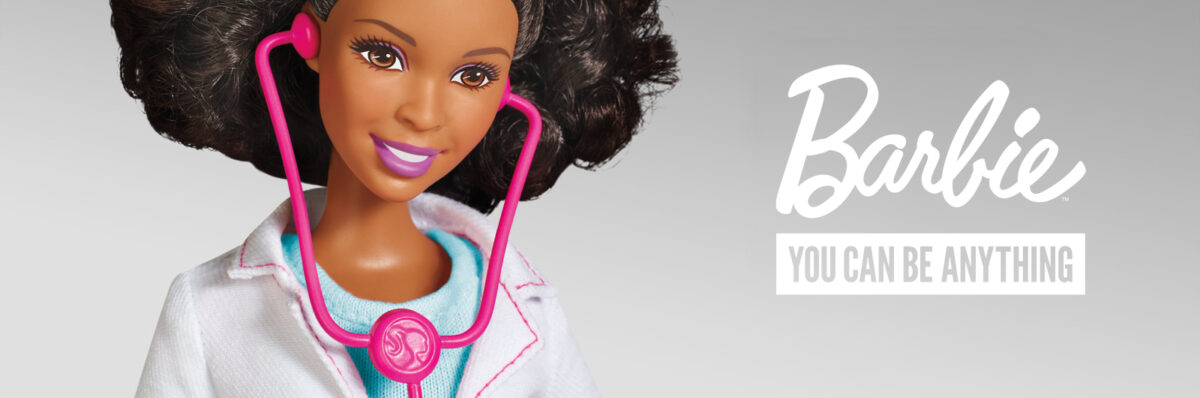
Prendiamo ora ad esempio la recente strategia di Barbie che, secondo Alaina Crystal di AMV BBDO, ha le sue radici nelle parole di Ruth Hander, creatrice di Barbie :
“the little girl could be anything she wanted to be”.
A partire da questo ‘purpose’ così contemporaneo, e forse un po’ dimenticato, nel 2016 Mattel ha trasformato le ‘misure’ di Barbie in risposta alle acerrime critiche di un modello ideale ampiamente superato; sempre nel 2016 ha comunicato un messaggio positivo di empowerment delle ragazze con la campagna “Imagine the possbilities” e nel 2017 con il sequel “dads who plays Barbie” ha rotto i pregiudizi dei papà che non giocano con le bambole.
Comunicazione che fa bene o deviazione dell’attenzione?
Per le aziende comunicare i propri valori attraverso campagne ‘purposeful’ è una grossa opportunità, ma anche una grande sfida, in un clima di sfiducia, in cui 6 consumatori su 10 non si fidano di un marchio finché non hanno visto prova concreta che l’azienda ha mantenuto le proprie promesse.
E così, campagne come Net Neutrality o Imagine the possibilities possono essere giudicate dai consumatori come un tentativo di “attention deflection“, ossia un tentativo di focalizzare l’attenzione su una tematica sociale nel tentativo di distrarre i consumatori dalla assente/scarsa responsabilità su altri temi.
Ugualmente, se guardiamo ai ristoranti fast food, l’impatto sull’ambiente del processo di produzione, consegna, cottura e confezionamento degli alimenti è enorme e secondo alcune fonti citate dal Guardian il mangime per animali di Burger King proviene da terre deforestate in Brasile e Bolivia. Secondo il report realizzato da Mighty Earth le aziende fast food non stanno facendo abbastanza per prevenire la deforestazione nelle aree in cui operano e non offrono incentivi finanziari che stimolino il processo di cambiamento.
Anche se è apprezzabile lo sforzo di Mattel e Burger King verso l’identificazione di un consumatore più consapevole, mi rendo conto che esiste un potenziale pericolo nell’eccessiva semplificazione – al limite banalizzazione – di ’cause’ complesse (come l’emancipazione delle bambine o l’ingerenza nell’informazione di Big players) che sono supportate dalle aziende a fini commerciali (vendere più hamburger per esempio).
Il tema è anche di auto-reponsabilizzazione: se non iniziamo ad informarci al di là di ciò che le aziende vogliono mostrarci, non saremo in grado, come consumatori e cittadini consapevoli, di esigere un atteggiamento più responsabile nei confronti del nostro pianeta. L’unico modo per spingere le aziende a cambiare è agire (anche attraverso una scelta di consumo consapevole) informandoci sulle loro strategie di sostenibilità.
Le aziende da cui desideriamo comprare fanno davvero cio’ che dicono?
Altrimenti, è ora di cambiare discorso.
Scopri come prenotare in anteprima l’APP di BeIntelligent che ti aiuta a scoprire se il marchio da cui intendi acquistare dice la verità. La potrai scaricare in fase Beta, appena sarà pronta. Avrai così anche l’opportunità di darci la tua opinione per ottimizzarla!
Dal momento che sei arrivato fino a qui La missione del nostro magazine online è scrivere di come le aziende stanno comunicando il loro impegno per affrontare le grandi sfide del Nuovo Millennio. Dall’emergenza climatica all’ineguaglianza sociale passando per tutte le tematiche incluse nell’Agenda degli Obiettivi di Sviluppo Sostenibile, grazie ad algoritmi di intelligenza artificiale, monitoriamo la congruità delle loro affermazioni, cioè se fanno quello che dicono. In un mondo in cui l’informazione veritiera è una merce sempre più rara, pensiamo che i cittadini meritino di avere accesso ad analisi accurate che hanno al centro l’integrità. La nostra indipendenza editoriale significa che la nostra agenda di contenuti viene declinata soltanto per dare voce alle nostre opinioni, sostenute da ricerche approfondite, liberi dall’influenza politica e commerciale di shareholders e proprietari milionari (che non abbiamo). Questo significa che possiamo esprimere opinioni in controtendenza e dare voce a chi ne ha di meno. Speriamo che questo possa motivarti a sostenerci ogni giorno. Il contributo di ogni lettore, piccolo o grande che sia, è estremamente utile. Supporta BeIntelligent anche con unpiccolo contributo. Grazie!
Mi occupo di comunicazione da 20 anni, ho lavorato nel marketing di grandi aziende internazionali e italiane e conosco i meccanismi della persuasione pubblicitaria. Ho deciso di investire il mio know how e le mie competenze per usare le risorse che hanno a disposizione le aziende (investimenti ma anche capitale umano) nella trasformazione positiva. Perché agli studenti di tutto il mondo a cui insegno Purpose Brands in Università Cattolica voglio poter dare sempre più esempi di aziende virtuose che hanno investito per il futuro, di tutti (e ce ne sono già molte!). Perché se stiamo a guardare, senza agire, senza responsabilizzarci, non abbiamo scuse. View all posts by elena grinta
Ecofriendly. Organico. Naturale. Fast? 1 Giugno, 2020 Ecofriendly. Organico. Naturale. Verde. Questi termini vengono spesso vengono spesso utilizzati per pubblicizzare…
Sustainability and responsibility have never been so MOVING
It is estimated that advertising spending worldwide will surpass 560 billion U.S. dollars in 2019, representing a growth of roughly four percent compared with the previous year.
The “purposeful communication” is from 2017 a marketing trend: that year almost half of the Cannes Lions awards were handed out to “purpose driven” campaigns – VS 29% in the previous four years (source: Dentsu Aegis). This trend was confirmed in 2018 (15 of 27). And 2019 was a BOOM: Purpose was at the core in Talks and Works, often as empty buzzword and sometimes as an actual driver of change.
For companies, communicating their values through ‘purposeful’ campaigns is a great opportunity, but also a great challenge, in a climate of distrust, where 6 out of 10 consumers do not believe in a brand until they have seen concrete proof that the company kept its promises.
With the UN General Assembly (UNGA) focusing on the SDGs for the first time since the launch of Agenda 2030 in 2015, sustainable development is at the core of many corporate declarations. Starting from the financial sector. One hundred and thirty international banks with assets of 47 thousand billion dollars have signed the Principles for Responsible Banking document, a Magna Carta to face social and environmental issues.
The road, however, could still be largely covered, according to research by environmental associations. The Rainforest Action Network has shown that 33 banking giants – starting with US leading groups – have financed 1,800 fossil fuel companies in the last year with 654 billion, a figure that is growing and equal to more than two thirds of the total capital expenditure of the sector. Amazon Watch has denounced multimillion-dollar credits, from some of the same banks signatories to the Principles, granted to agro-food giants that take advantage of the decree of the Amazon.
According to Oxfam “there is a real risk that for many companies the sustainable development goals (SDGs) end up being not much more than another communication tool.” in other words, we should be aware that Using issues for good in advertising doesn’t mean using issues for the good of advertising
This is usually called ‘green washing’ and can have two declination: decoupling and attention deflection
The first (decoupling) refers to the doubling that occurs apparently satisfying the needs of the stakeholders without actually creating organizational changes. The second sees the deviation of attention from not appreciable performances in terms of sustainability through practices such as self-certifications and selective discrimination that highlight indicators with positive values about the environmental impact. (Suddaby and Greenwood, 2005; Marquis and Toffel,2012)
The importance of disseminating truthful and consistent information to help consumers make informed choices
In september 2019 ENI (Ente Nazionale Idrocarburi -National Hydrocarbons Authority) has been confirmed the only energy company among the selected companies as a participant in the Global Compact LEAD, an event within the UNGA led by the UN Global Compact, a voluntary initiative based on annual participant contributions up to 20.000$
Eni is a multinational Italian company with its base in the Italian capital, Rome, specializing in oil and gas. They operate in 79 countries worldwide and are ranked in the top 15 largest industrial organisations globally. The main focus areas of Eni’s work include refining/extraction, energy, chemicals and nuclear power. Eni has adopted a purposeful communication strategy plan that highlights their “corporate philosophy focused on the passion for technological innovation and progress, combined with values and integrity, respect for people and environmental protection” (Eni website)
The Italian company sees its commitment to compliance with the principles of the United Nations for responsible business rewarded proving that Eni is working towards environmental protection, social justice and renewable solutions, as in an article Forbes , saying ENI was the first company to develop biorefinery, high-quality biofuels and green diesel fuel. The article highlights the impacts of Eni’s groundbreaking sustainability work stating “the positive environmental impact of the initiative is undeniable”
Moreover, for 12 years running, Eni has been on the Dow Jones Sustainability World Index
Although, Eni has faced public scrutiny as a result of supposed unethical business practices such as bribing, corruption and cover ups (as for the Nigerian case), in addition to their connection to environmental dangerous techniques such as the natural gas extraction called fracking or oil spill disaster that in september 2017 contaminated Val d’Agri.
Corporations as well as some publishers, portrays an ethical and sustainable image of work practices and company identity. However, conflicting news articles make it difficult to decipher the truth behind the real brand identity and purpose of the brand.
How consumers could make conscious purchasing decisions, if some initiatives sponsor the company’s sustainability and other news and insights contradict it? This is the type of communication that is associated with the increase in skepticism
Alan Jope (Chief Executive Officer at Unilever) during the last Cannes Lions Festival provoked the adv industry saying :
“Please do not damage your industry by accepting briefs for brand which dont’ walk the talk on purpose. If there is no substance in what the brand wants to say, including a brand from Unilever, walk away, refuse the brief. We want to work with creative that teams share our values and passions, that believe we can change the world. By contrast we dont’ want to work with creative teams that have a track record of purpose washing producing anthemic messages with no substance lying on what the brand does”.
A study from the Economist shows that 68% of execs report companies are increasingly facing a backlash over inauthentic social initiatives and 83% of younger junior employees (below manager level) feel it is sometimes difficult to tell if a company cares about a social cause or is just trying to sell more products/services.
And one finding from a Harvard Business Review study, is that only 37% of executives believe the operations of their organisation are aligned with their purpose.
In such a climate of distrust, internal and external communication should improve.
Purpose washing to make consumers cry and buy is no longer an opportunity, is mostly a risk.
That’s why Be Intelligent Magazine is promoting the Be Intelligent Manifesto. Commitments initially written with input of several professionals including Nicola Giuggioli, CEO of Eco-Age and Geo Ceccarelli CEO General Manager at Breakfastforcontent e Chief Creative Officier in Gruppo Roncaglia. It was then revised with inputs from independent intellectuals, students and activists. Our hope is that advertisers from all over the world will read the Manifesto, sign it and make awesome creative works with it!
We are seeking feedback and signatures from advertisers professionals who commit to using their Talent to support the movement, who commit to practicing their creative work more sustainably and to partner with other stakeholders to meet the 2030 agenda for sustainable development
The Manifesto subscribers will be announced on Jan, 2020.
Author: elena grinta
I have been dealing with communication for 20 years, I have worked in marketing for large international and Italian companies and I know the mechanisms of advertising persuasion. I decided to invest my know-how and my skills to use the available resources of companies (budgets but also human capital) in positive transformation. Because to students from all over the world I teach at Purpose Brands in Catholic University I wish to give more and more examples of virtuous companies that have invested for the future, of everyone (and there are already many!). Because if we watch, without acting, without taking responsibility, we have no excuse. View all posts by elena grinta
7 Golden Rules to Make a Branded Entertainment Strategy Work
To be effective, a branded content & entertainment strategy must keep in mind some rules, taking in account the different reactions that the consumer may have confronted with the request to ‘interact’ with a content made by a brand, when he doesn’t expect it. Here are some tips from some of the greatest examples of this new form of communication
1 . IT’S ALONG TERM STRATEGY
Branded entertainment is a strategy for building brand identity, so it should be pursued in the medium to long term.
SET CLEAR GOALS
The strategy can be adjusted in line with the needs of the company. You need to set clear goals from the beginning of an initiative.
3.TURN AUDIENCES INTO CONSUMERS
Branded entertainment is a useful marketing tool for building the relationship between consumer and brand. Its active function is to strengthen or change consumer behavior.
4.TRANSPARENCY
It’s crucial to have a clear target audience with which to create a relationship. The consumer is willing to accept the presence of the brand in new spaces (TV programs, newspaper article, etc.), if the role the brand plays in the content is clear (producer, creator, sponsor, etc.).
5.STORYTELLING
It’s equally important to define the traits of the brand identity that will set the stage for the relationship through narration. For this to work, the brand must have a narrative function. Whether the objective of the content is to inform or entertain, it must interest and empower the viewer.
6.MEASUREMENT
Use a campaign metrics model that’s able to analyse the effectiveness of branded entertainment by standard KPIs, such as brand trust, familiarity, consideration and loyalty.
7.EXPERTISE
Branded entertainment expertise can both grow internally through special training courses and be found among professionals who can provide the talent and creativity for a content-driven strategy.
Gillette new ad: An attempt to positively impact its consumers mindset or another brand jump on the purpose bandwagon ?
A campaign to revitalise an ancient payoff
With its most talked AD, Gillette is attempting to take its ancient and highly distinctive slogan “The Best a man can get” and revitalise it for a new era
Gilette’s new campaign thoughtfully and critically examines what “The Best a Man Can Get,” the brand’s iconic tagline, means today. A must watchArianna Huffington Founder and CEO at Thrive Global
It reminds what Nike did for its ‘Just Do It’ tagline when it came out with the award-winning Colin Kaepernick ‘Dream Crazy’ campaign
“but the difference between Nike and Gillette is as glaring as that between night and day. Nike used the authenticity of Kaepernick, the pathos in his voice and the positivity of his message to inspire customers with an aspirational message that attracted them and then propelled them to purchase. Gillette’s ad feels like a tedious, politically correct public health video – the kind of film we were forced to watch in school about road safety before they invented the internet. Never mind making me hate Gillette, it makes me feel bad about pretty much everything.” Mark Ritson Marketing week [1]
The campaign is coupled with a donation pledge and a partnership with non-profits, starting with the Boys & Girls Club of America.
To be honest, while watching the video, you feel a little be uneasy, you don’t’ know exactly what’s wrong with it, is the blinkMalcom Gladwell describes in his book.
If the brand purpose was sincere, it could support association helping men who suffered of/from bullying, sexual harassment, or enroll a public school program to raise awareness on such problems (what they are probably doing). So, why Gillette and its agency Grey opted to engage Kim Gehrig, one of a new generation of directors showcased by the Free the Bid campaign (which attempts to hire more female directors into advertising) who directed some of the most awarded campaigns in the last 3-4 years (John Lewis ‘Man on the Moon’, Sport’s England’s ‘This girl can’ just to name a few)?
“Instead of wasting millions producing this BS spot, Gillette should have just donated the money to the Me Too movement”. Barbara Dickey ,Owner & Chief Creative Officer, Cre8tivision LLC
Bad PR is Still Good PR
Yes, the video generated a lot of buzz and conversations.
Since the ad was posted on 14 January on Gillette’s YouTube channel, it has received more than two million views. But gained over 80% downvote ratio with 500k dislikes. We can assume the concept of this campaign is to highlight the advent of a new “masculinity” banning any kind of toxicity (bullying, sexual assault, etc.).
This ad, instead of communicating the functionality of the product or highlighting its benefits over another product, is focused on evoking feelings about the brand, a brand that is a commodity in an increasingly boring industry (that’s oversaturated with too many competitors)
“In a commoditized industry, what becomes your competitive advantage may just be as simple as a making a social statement like this. To say they made a poor ad is really missing the point. On a more personal note, as a man with kids, I really liked the ad. And I liked the message. “The Best A Man Can Get.” Christopher Cope VP Sales & Marketing/Creative at Raleigh Enterprises
I looked at the polarised comments, with interest. Well, if sparking the conversation was the goal, they’ve certainly already[2] achieved it! But while the video is going viral, the dialogue seems to be lost in translation in all sides.
There are articles (on Forbes, marketing week…) that have underlined how the imagery and tone of the message (along with using the phrase “toxic masculinity”) do miss the mark. In truth, even if the intention was there, the execution fell short for many.
Some people found it sexist, condescending and preachy to men. Others quickly dislike politics and others throwing politics in extremist ways.
Some others think it represents the new “brand” of men.
Trying to define manhood
What it means to be a man nowadays? The ad suggests is to stand boldly for what is right and protect others who are facing injustice – no matter what gender, colour, or age. Isn’t this a ‘golden rule’ for any human being (no matter what gender?)
Also, shouldn’t most of these ideals had already been instilled in boys who have responsible parents?
“The implication from this ad is that, without self-awareness, men are automatically going to engage in “toxic masculinity”, rather than assuming the majority of men are well adjusted, and that masculinity itself is not toxic. In contrast to the marketing campaign P&G use for women, which takes the opposite tack: you ARE even better than you think! You ARE good enough! Literally the opposite of what this ad is implying”. Roger Wemyss Cybersecurity Product Manager
“This was P&G’s attempt to replicate the (deserved) success of its Dove “Real Beauty” campaign, which also sought to affect social norms. The crucial difference is that campaign made the user feel better about herself. This does the opposite. Big mistake. “ Lisa Rothstein, Brand Storyteller, Communicate Better With Everyone | Brand Storyteller | New Yorker Cartoonist | Speaker | Copywriter | Visual Facilitator
“The strategy originally was probably on point; something around what an aspirational man looks like in 2019 as opposed to 1989. He doesn’t win at sports and fly planes, he is just a decent man and role model. Sadly, tactically this execution is dreadful. Conflates innocent male behavior with the very worst kind of almost criminal behavior. Focuses almost entirely on the negative, not the positive and leaves the viewer depressed”. Ian MacDonald Partner, VP Strategy & Media at CO-OP | Tech Investor
In 2019 you still find plenty of ” men as idiots” ads that actually do tell men how to behave or make laugh of abusive behaviors. Apparently nobody come up in an uproar about those. And Gillette used to create a super-man ideal (“Its male image is masculine, confident and well groomed”[3],) in the last 30 years through influential sportsmen in the same ‘macho’ context they now blame. After decades of Gillette feeding the same toxic masculinity they now condemn (Gillette promoted the new razor with a campaign in Italy starring Antoine Griezmann and Neymar Jr no later than 6 months ago claiming: “No matter what the challenge, to do your best, you should constantly strive to improve yourself.”) , the campaign puts a mirror in front of men and fuels the debate in the ‘human’ direction. What if, before awaking their consumers’ souls, they acknowledge the role they played in the past with a Mea Culpa?
“Sadly this is a company that embraced the toxins of mainstream masculinity to its fullest when it suited their advertising needs, and not only do I see no razors, I see almost no visual tip of the hat to the fact that their ads helped fuel this behavior in the past. If Larry keeps kicking me in the shins, I don’t want Larry to tell me “We all need to take a good look at ourselves, and think about the damage we have done to people’s shins in the past!” I want Larry to admit he was a jerk and promise me he won’t kick me in the shins again.” Lyon Reese First Assistant Director
They could take many different ways to get to the point/mark: on Jul 11, 2018 Dollar Shave Club published on YT their inclusive campaign “Whoever you are, however you Get Ready… Welcome to the Club.”[4] A very different way to welcome every kind of masculinity
And if the generalization had brought Gillette to a type of stereotyping different from that against ‘diversity’ but still condemnable, for the principle itself that talking about ‘masculinity’ creates all of a bundle (be it toxic or not)?
“The ad is amateurishly stereotypical and mostly offers a caricature of masculinity”. [5] Avi Dan, Forbes
The epic men (from Ulysses to trovadores ) used to be represented as full of dignity, honourable and respectful, especially to women. Where has that gone to? Men in pop culture (from advertising to video games) are rarely honourable anymore, rarely dignified, and everyone cries that “chivalry is dead”. Watch television today, what kind of masculinity is pictured? and this is true for the movie industry as well. During 1970s-Madison Avenue and Hollywood decided that Sex sells-and women obliged. Now after 50+ years, the industry is trying to turn that around.
“Enough is enough ! We men are mad as hell, fed up to here and are not going to take it anymore ! I say we should boycott all personal grooming products (that includes you Gillette), let our hair and beards grow long and shaggy, stop bathing and brushing our teeth and start wearing furs and skins. We need to go back to being real men, the way our stone age male ancestors were before the invention of flint grooming tools turned us all into a bunch of soft sissified wimps ashamed of our toxic behavior (and odor). ” Michael Coulas. Senior Software/System Engineer
????
Certainly the search for a new type of manhood is underway, willy-nilly men have lost their reference points and struggle, even today, to find an ideal
What if the true target was the female one?
The campaign has the feminine touch of the director, who almost seems to use the film to free herself of a weight, a conscience too full of experiences (direct or indirect) that push her to shout “some are not enough!”(“Men need to hold other men accountable. To say the right thing. To act the right way. Some already are. But some is not enough.”[3])
“It’s rather sad that, as I watched the commercial, I found myself thinking, “This commercial and overall campaign must be the product of a woman’s mind. Men tend not to be so thoughtful and caring.” John C. Leighton Formerly R&D executive in synthetic and natural polymers, now gone to the dogs
And in so doing, she gathers around her call (of hope) the women who have already awakened their conscience (the quote to the initial #metoo campaign is emblematic). That’s with results:
“Tomorrow morning I am going to start buying Gillette products for my husband and my son. I AM certainly your target demographic customer and a vocal brand advocate now. WELL done.” Jill Elliott, SPHR , SVP, People + Culture + Charitable Foundation R&R Partners
Riding social causes is the new black.
Dentsu Aegis counted that in 2017, nearly 50% of the Lions awards were handed to purposeful campaigns (VS. 29% of the Grand Prix or Gold Lions in the previous four years). This trend was reinforced in 2018: Almost 60% (15 out of 27) of Cannes Grand Prix winners were assigned to purposeful campaigns. Trendwatching CEO David Mattin says consumers don’t want to make the world a better place, they want brands to do that for them. I know it’s not 100% true (some of them are ready to make a change) but it’s a big deal for corporations. And, also, a big challenge. That’s probably why purposeful campaigns have recently become an advertising trend.
“This is a moment here. The largest CPG company in the world just jumped into the camp of American Progressives with both feet. Bravo.” Pete Louison Creative Director at Oracle Data Cloud
“Amazing and brave leadership from Proctor and Gamble. Rather than demonizing men, I believe the ad highlights the enormous impact good men can have. Living in a country (Australia) where hundreds of women die every year at the hands of male partners / family members, where sexual assault and sexism is still a major problem, where young gay men go through absolute hell – anything that can encourage us all, and particularly men, to rethink behaviour has got to be a positive step. As a strong believer in business’ power to do good in this world, I’m wholly supportive of this campaign. ” Beth Worrall, National Skills Program Lead at Microsoft
And what if it was another brand jumps on the purpose bandwagon? Is this something Gillette really believes in? Why is this brand thrusting itself into a movement? is this a sincere message, or an exploitative play? has Gillette the rights to drive this conversation?
Don’t sweep the dirt under the carpet
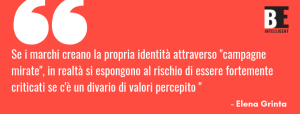
There’s potential backlash for brands that don’t walk the talk. If brands create their own identity through ‘purposeful campaigns’, they actually expose themselves to the risk of being strongly criticized if there is a perceived values gap. As we all know brands are ultimately trying to sell more products, if they also ‘monetise’ human values it is a big ethical issue.
“You wanna talk about toxicity? Let’s do it, Gary! 1. Proctor & Gamble tests on animals, and has for decades. 2. Aluminum in your deodorants, + fluoride in your toothpastes and mouthwashes cross the BBB (blood brain barrier), causing the reduction of dendritic spines in the brain. This phenomenon is DIRECTLY linked to Alzheimers and other neurocognitive impairments plus a myriad of other neurological and physical ailments caused by heavy metal toxicity. You were saying?” Wes Dickinson, President at Lighthouse Group LLC
“You can’t be a purpose brand by accident – it has to pervade who you are, what you say and what you do.” Rob McPherson Former President – Bacardi Canada.
The brand was involved in another ‘social’ campaign last year: Handle with care that brought the attention of the public to the ‘grey generation’ and started a new chapter of brand advertising, intended to redefine masculinity.
Probably that campaign wasn’t ‘strong’ enough and Grey decided to push on the accelerator, and maybe has bitten off more than it can chew. I think brands that take purposeful communication seriously should start from their ‘why’. Once they find the real reason why they exist, they should “creact” : engage a critical process of reflection on the problems that afflict contemporaneity with an active approach to improve conditions on a daily basis through creativity.
Does this ‘cause related’ campaign will turn into a suicide in the market?
Marketing success or failure is ultimately judged on whether the campaign moves the sales needle. Will P&G’s stock go up or down? Hard to answer; Nike’s stock went up after their campaign on social issues while Starbucks’ stock went down while claiming its mission is to ‘inspire and nurture the human spirit’.
“There is a special place in marketing hell for companies that not only waste their marketing budgets but actually invest that money into things that ultimately make their situation much worse. That’s going to be the cost of this foray into brand purpose for Gillette”. (Marketing week)
Working in the Adv/media industry the last 20 years helped me to understand how companies could play a ‘better role’ in the society. For instance, they can use their efforts (investments, know-how, human capital…) to ‘do good’. But as I am a marketing (and business) professional, I knew that it would only work if they balanced the doing good with their financial performance.
At this stage we can certainly say Gillette did two things: 1. Got people talking or texting about Gillette with intent 2. Started an important discussion about what makes a man masculine.
Gillette new ad: An attempt to positively impact its consumers mindset or another brand jump on the purpose bandwagon ?
A campaign to revitalise an ancient payoff
With its most talked AD, Gillette is attempting to take its ancient and highly distinctive slogan “The Best a man can get” and revitalise it for a new era
Gilette’s new campaign thoughtfully and critically examines what “The Best a Man Can Get,” the brand’s iconic tagline, means today. A must watchArianna Huffington Founder and CEO at Thrive Global
It reminds what Nike did for its ‘Just Do It’ tagline when it came out with the award-winning Colin Kaepernick ‘Dream Crazy’ campaign
“but the difference between Nike and Gillette is as glaring as that between night and day. Nike used the authenticity of Kaepernick, the pathos in his voice and the positivity of his message to inspire customers with an aspirational message that attracted them and then propelled them to purchase. Gillette’s ad feels like a tedious, politically correct public health video – the kind of film we were forced to watch in school about road safety before they invented the internet. Never mind making me hate Gillette, it makes me feel bad about pretty much everything.” Mark Ritson Marketing week [1]
The campaign is coupled with a donation pledge and a partnership with non-profits, starting with the Boys & Girls Club of America.
To be honest, while watching the video, you feel a little be uneasy, you don’t’ know exactly what’s wrong with it, is the blinkMalcom Gladwell describes in his book.
If the brand purpose was sincere, it could support association helping men who suffered of/from bullying, sexual harassment, or enroll a public school program to raise awareness on such problems (what they are probably doing). So, why Gillette and its agency Grey opted to engage Kim Gehrig, one of a new generation of directors showcased by the Free the Bid campaign (which attempts to hire more female directors into advertising) who directed some of the most awarded campaigns in the last 3-4 years (John Lewis ‘Man on the Moon’, Sport’s England’s ‘This girl can’ just to name a few)?
“Instead of wasting millions producing this BS spot, Gillette should have just donated the money to the Me Too movement”. Barbara Dickey ,Owner & Chief Creative Officer, Cre8tivision LLC
Bad PR is Still Good PR
Yes, the video generated a lot of buzz and conversations.
Since the ad was posted on 14 January on Gillette’s YouTube channel, it has received more than two million views. But gained over 80% downvote ratio with 500k dislikes. We can assume the concept of this campaign is to highlight the advent of a new “masculinity” banning any kind of toxicity (bullying, sexual assault, etc.).
This ad, instead of communicating the functionality of the product or highlighting its benefits over another product, is focused on evoking feelings about the brand, a brand that is a commodity in an increasingly boring industry (that’s oversaturated with too many competitors)
“In a commoditized industry, what becomes your competitive advantage may just be as simple as a making a social statement like this. To say they made a poor ad is really missing the point. On a more personal note, as a man with kids, I really liked the ad. And I liked the message. “The Best A Man Can Get.” Christopher Cope VP Sales & Marketing/Creative at Raleigh Enterprises
I looked at the polarised comments, with interest. Well, if sparking the conversation was the goal, they’ve certainly already[2] achieved it! But while the video is going viral, the dialogue seems to be lost in translation in all sides.
There are articles (on Forbes, marketing week…) that have underlined how the imagery and tone of the message (along with using the phrase “toxic masculinity”) do miss the mark. In truth, even if the intention was there, the execution fell short for many.
Some people found it sexist, condescending and preachy to men. Others quickly dislike politics and others throwing politics in extremist ways.
Some others think it represents the new “brand” of men.
Trying to define manhood
What it means to be a man nowadays? The ad suggests is to stand boldly for what is right and protect others who are facing injustice – no matter what gender, colour, or age. Isn’t this a ‘golden rule’ for any human being (no matter what gender?)
Also, shouldn’t most of these ideals had already been instilled in boys who have responsible parents?
“The implication from this ad is that, without self-awareness, men are automatically going to engage in “toxic masculinity”, rather than assuming the majority of men are well adjusted, and that masculinity itself is not toxic. In contrast to the marketing campaign P&G use for women, which takes the opposite tack: you ARE even better than you think! You ARE good enough! Literally the opposite of what this ad is implying”. Roger Wemyss Cybersecurity Product Manager
“This was P&G’s attempt to replicate the (deserved) success of its Dove “Real Beauty” campaign, which also sought to affect social norms. The crucial difference is that campaign made the user feel better about herself. This does the opposite. Big mistake. “ Lisa Rothstein, Brand Storyteller, Communicate Better With Everyone | Brand Storyteller | New Yorker Cartoonist | Speaker | Copywriter | Visual Facilitator
“The strategy originally was probably on point; something around what an aspirational man looks like in 2019 as opposed to 1989. He doesn’t win at sports and fly planes, he is just a decent man and role model. Sadly, tactically this execution is dreadful. Conflates innocent male behavior with the very worst kind of almost criminal behavior. Focuses almost entirely on the negative, not the positive and leaves the viewer depressed”. Ian MacDonald Partner, VP Strategy & Media at CO-OP | Tech Investor
In 2019 you still find plenty of ” men as idiots” ads that actually do tell men how to behave or make laugh of abusive behaviors. Apparently nobody come up in an uproar about those. And Gillette used to create a super-man ideal (“Its male image is masculine, confident and well groomed”[3],) in the last 30 years through influential sportsmen in the same ‘macho’ context they now blame. After decades of Gillette feeding the same toxic masculinity they now condemn (Gillette promoted the new razor with a campaign in Italy starring Antoine Griezmann and Neymar Jr no later than 6 months ago claiming: “No matter what the challenge, to do your best, you should constantly strive to improve yourself.”) , the campaign puts a mirror in front of men and fuels the debate in the ‘human’ direction. What if, before awaking their consumers’ souls, they acknowledge the role they played in the past with a Mea Culpa?
“Sadly this is a company that embraced the toxins of mainstream masculinity to its fullest when it suited their advertising needs, and not only do I see no razors, I see almost no visual tip of the hat to the fact that their ads helped fuel this behavior in the past. If Larry keeps kicking me in the shins, I don’t want Larry to tell me “We all need to take a good look at ourselves, and think about the damage we have done to people’s shins in the past!” I want Larry to admit he was a jerk and promise me he won’t kick me in the shins again.” Lyon Reese First Assistant Director
They could take many different ways to get to the point/mark: on Jul 11, 2018 Dollar Shave Club published on YT their inclusive campaign “Whoever you are, however you Get Ready… Welcome to the Club.”[4] A very different way to welcome every kind of masculinity
And if the generalization had brought Gillette to a type of stereotyping different from that against ‘diversity’ but still condemnable, for the principle itself that talking about ‘masculinity’ creates all of a bundle (be it toxic or not)?
“The ad is amateurishly stereotypical and mostly offers a caricature of masculinity”. [5] Avi Dan, Forbes
The epic men (from Ulysses to trovadores ) used to be represented as full of dignity, honourable and respectful, especially to women. Where has that gone to? Men in pop culture (from advertising to video games) are rarely honourable anymore, rarely dignified, and everyone cries that “chivalry is dead”. Watch television today, what kind of masculinity is pictured? and this is true for the movie industry as well. During 1970s-Madison Avenue and Hollywood decided that Sex sells-and women obliged. Now after 50+ years, the industry is trying to turn that around.
“Enough is enough ! We men are mad as hell, fed up to here and are not going to take it anymore ! I say we should boycott all personal grooming products (that includes you Gillette), let our hair and beards grow long and shaggy, stop bathing and brushing our teeth and start wearing furs and skins. We need to go back to being real men, the way our stone age male ancestors were before the invention of flint grooming tools turned us all into a bunch of soft sissified wimps ashamed of our toxic behavior (and odor). ” Michael Coulas. Senior Software/System Engineer
????
Certainly the search for a new type of manhood is underway, willy-nilly men have lost their reference points and struggle, even today, to find an ideal
What if the true target was the female one?
The campaign has the feminine touch of the director, who almost seems to use the film to free herself of a weight, a conscience too full of experiences (direct or indirect) that push her to shout “some are not enough!”(“Men need to hold other men accountable. To say the right thing. To act the right way. Some already are. But some is not enough.”[3])
“It’s rather sad that, as I watched the commercial, I found myself thinking, “This commercial and overall campaign must be the product of a woman’s mind. Men tend not to be so thoughtful and caring.” John C. Leighton Formerly R&D executive in synthetic and natural polymers, now gone to the dogs
And in so doing, she gathers around her call (of hope) the women who have already awakened their conscience (the quote to the initial #metoo campaign is emblematic). That’s with results:
“Tomorrow morning I am going to start buying Gillette products for my husband and my son. I AM certainly your target demographic customer and a vocal brand advocate now. WELL done.” Jill Elliott, SPHR , SVP, People + Culture + Charitable Foundation R&R Partners
Riding social causes is the new black.
Dentsu Aegis counted that in 2017, nearly 50% of the Lions awards were handed to purposeful campaigns (VS. 29% of the Grand Prix or Gold Lions in the previous four years). This trend was reinforced in 2018: Almost 60% (15 out of 27) of Cannes Grand Prix winners were assigned to purposeful campaigns. Trendwatching CEO David Mattin says consumers don’t want to make the world a better place, they want brands to do that for them. I know it’s not 100% true (some of them are ready to make a change) but it’s a big deal for corporations. And, also, a big challenge. That’s probably why purposeful campaigns have recently become an advertising trend.
“This is a moment here. The largest CPG company in the world just jumped into the camp of American Progressives with both feet. Bravo.” Pete Louison Creative Director at Oracle Data Cloud
“Amazing and brave leadership from Proctor and Gamble. Rather than demonizing men, I believe the ad highlights the enormous impact good men can have. Living in a country (Australia) where hundreds of women die every year at the hands of male partners / family members, where sexual assault and sexism is still a major problem, where young gay men go through absolute hell – anything that can encourage us all, and particularly men, to rethink behaviour has got to be a positive step. As a strong believer in business’ power to do good in this world, I’m wholly supportive of this campaign. ” Beth Worrall, National Skills Program Lead at Microsoft
And what if it was another brand jumps on the purpose bandwagon? Is this something Gillette really believes in? Why is this brand thrusting itself into a movement? is this a sincere message, or an exploitative play? has Gillette the rights to drive this conversation?
Don’t sweep the dirt under the carpet
There’s potential backlash for brands that don’t walk the talk. If brands create their own identity through ‘purposeful campaigns’, they actually expose themselves to the risk of being strongly criticized if there is a perceived values gap. As we all know brands are ultimately trying to sell more products, if they also ‘monetise’ human values it is a big ethical issue.
“You wanna talk about toxicity? Let’s do it, Gary! 1. Proctor & Gamble tests on animals, and has for decades. 2. Aluminum in your deodorants, + fluoride in your toothpastes and mouthwashes cross the BBB (blood brain barrier), causing the reduction of dendritic spines in the brain. This phenomenon is DIRECTLY linked to Alzheimers and other neurocognitive impairments plus a myriad of other neurological and physical ailments caused by heavy metal toxicity. You were saying?” Wes Dickinson, President at Lighthouse Group LLC
“You can’t be a purpose brand by accident – it has to pervade who you are, what you say and what you do.” Rob McPherson Former President – Bacardi Canada.
The brand was involved in another ‘social’ campaign last year: Handle with care that brought the attention of the public to the ‘grey generation’ and started a new chapter of brand advertising, intended to redefine masculinity.
Probably that campaign wasn’t ‘strong’ enough and Grey decided to push on the accelerator, and maybe has bitten off more than it can chew. I think brands that take purposeful communication seriously should start from their ‘why’. Once they find the real reason why they exist, they should “creact” : engage a critical process of reflection on the problems that afflict contemporaneity with an active approach to improve conditions on a daily basis through creativity.
Does this ‘cause related’ campaign will turn into a suicide in the market?
Marketing success or failure is ultimately judged on whether the campaign moves the sales needle. Will P&G’s stock go up or down? Hard to answer; Nike’s stock went up after their campaign on social issues while Starbucks’ stock went down while claiming its mission is to ‘inspire and nurture the human spirit’.
“There is a special place in marketing hell for companies that not only waste their marketing budgets but actually invest that money into things that ultimately make their situation much worse. That’s going to be the cost of this foray into brand purpose for Gillette”. (Marketing week)
Working in the Adv/media industry the last 20 years helped me to understand how companies could play a ‘better role’ in the society. For instance, they can use their efforts (investments, know-how, human capital…) to ‘do good’. But as I am a marketing (and business) professional, I knew that it would only work if they balanced the doing good with their financial performance.
At this stage we can certainly say Gillette did two things: 1. Got people talking or texting about Gillette with intent 2. Started an important discussion about what makes a man masculine.
8 out 10 of consumers expect that CEOs share their own vision CEOs have become new heros CEOs are no longer perceived as chiefs but as leaders. The essential role of the CEOs in assessing the sustainability of the company business is undeniable and is fundamental to its success Patagonia is an great example of purpose brand
8 out 10 of Consumers Expect That CEOs Share Their Own Vision
28 November 2018
CEOs are no longer perceived as chiefs but as leaders. The ability to accept risks and direct decision-making processes are some of the distinctive points of today’s CEOs. An exemplary case of leadership is that of Bob Chapman, CEO of Barry-Wehmiller, who had to face the 2008 crisis and the consequent downsizing of personnel. Surprising everyone, he decided not to dismiss anyone, stating that people matter more than anything else and that there was probably a better solution that did not imply that workers were being diverted. He even came to declare:
“What would a caring family do in the face of a crisis? The answer came easily to me: family members would all make a little effort to prevent anyone from suffering a dramatic loss. “
They needed to save $10 million, but Bob refused to fire anyone. So he devised a solution in which each employee, from the secretary to the CEO, had to take a 4-week unpaid vacation. But it was the way Bob announced the program that surprised everyone. He said, “We should all suffer a bit so none of us has to suffer a lot.” They ended up saving $20 million.
Patagonia as a Purpose Brand
Look at Patagonia, a well-known sports apparel brand with nearly 1300 people, founded in the 1970s by Yvon Chouinard, as an example of a “humanist imprint.” In 2011 during Black Friday, Patagonia invited consumers to “Don’t buy this jacket,” a revolutionary and counter-current slogan that promoted responsible consumption in response to the Greenpeace ‘detox’ campaign aimed at discouraging the use of toxic products (DWR, PFOA) in the outdoor clothing industry.
While waiting to find a valid alternative to the highly polluting C8 polymer used for repelling water, the Chouinard company discouraged the purchase (and therefore the production) of new garments. To support the print campaign, Patagonia promoted “The Stories We Wear,” a content platform that reinforced the message for responsible consumption. Even if Patagonia is relatively new to branded content, its content strategy has been tied into its sustainable vision since the beginning.
In “The Responsible Company,” Chouinard offers a number of examples of how to successfully lead your business without causing damage to the planet, stating:
“I never even wanted to be in business. But I hang onto Patagonia because it’s my resource to do something good. It’s a way to demonstrate that corporations can lead examined lives.”
8 out 10 of Consumers Expect That CEOs Share Their Own Vision
The essential role of Chouinard in assessing the importance of sustainability in his own business is undeniable, and it is critical for success: research by Edelman shows that “79% of consumers expect a company’s CEO to be personally visible in sharing its purpose and vision.”
So it’s extremely important for CEOs to take a position on social issues. They should also clearly be the driving force behind sustainability within the organization, as shown by analysis from The Drum and global B2B marketing agency Gyro, titled “Mind The Gap: How Marketers Feel About Sustainability.”
Many companies are demonstrating that they have the necessary resources and leadership to make the difference in a global society where problems seem to increase. The ‘power games’ of the political parties do not allow governments to be sufficiently strong or credible in the eyes of their citizens or even able to solve universal emergencies, from poverty to environmental problems.
If you are interested in joining the conversation, please join our community!
Since you’re here… Our mission is to monitor Advertising to make certain that companies obey ethical standards of trustworthiness and transparency while communicating their commitment to addressing the great challenges of the New Millennium. From climate emergency to social inequality through all the issues included in the Sustainable Development Goals Agenda, we monitor the consistency of their statements, if they are ‘walking the talk’. With rising misinformation and commercial ownership, independent information is more and more rare. We think citizens deserve access to accurate analyses with integrity at their heart, so we can all make critical decisions about our lives, health and enviroment – based on fact, not fiction. Our editorial independence means our content agenda is set only to voice our opinions, supported by in-depth research, free from any political and commercial bias, never influenced by interested owners or shareholders (which we don’t have). It means we can stand up to mainstream and give a voice to those less heard. We hope this will motivate you to make a contribution in support of our open, independent journalism. Every reader contribution, however big or small, is so valuable. Support BeIntelligent from as little as €5 – and it only takes a minute.Thank you.
I have been dealing with communication for 20 years, I have worked in marketing for large international and Italian companies and I know the mechanisms of advertising persuasion. I decided to invest my know-how and my skills to use the available resources of companies (budgets but also human capital) in positive transformation. Because to students from all over the world I teach at Purpose Brands in Catholic University I wish to give more and more examples of virtuous companies that have invested for the future, of everyone (and there are already many!). Because if we watch, without acting, without taking responsibility, we have no excuse. View all posts by elena grinta
This content is for Annual subscription e Editors subscription members only. LoginJoin Now
Autore:
Sono giornalista con una passione per le nuove tendenze. Ho oltre 20 anni di esperienza nella comunicazione. Far nascere una start-up “for benefit” ha cambiato per sempre la mia vita professionale (e personale). Ho lavorato in diversi reparti di marketing e ho capito che meglio facevo il mio lavoro, peggio impattavo sulle persone e sul pianeta. Ho quindi considerato il Marketing un’”arma” che poteva essere usata a beneficio di tutti gli esseri umani (Cialdini è stato estremamente utile in quel momento ;-)). Ho lasciato il mio lavoro ben retribuito come direttore e ho avviato una start-up innovativa disposta a far sapere meglio alle persone se quando i marchi parlano della loro responsabilità sociale o ambientale dicono la verità. Tutti possono cercare e indagare sul web ma nessuno lo fa! perché è noioso e prende tempo. E se potessimo farlo noi per te ?! Ecco come è nato BeIntelligent! Perché se stiamo a guardare, senza agire, senza responsabilizzarci, non abbiamo scuse. Vedi tutti gli articoli di
Welcome to WordPress. This is your first post. Edit or delete it, then start writing!
Un commento su “Hello world!”
Hi, this is a comment. To get started with moderating, editing, and deleting comments, please visit the Comments screen in the dashboard. Commenter avatars come from Gravatar.


 La comunicazione che fa bene. All’ambiente 10 Giugno, 2019 La tematica sostenibilità ambientale è un trend topic nella comunicazione…











Hi, this is a comment.
To get started with moderating, editing, and deleting comments, please visit the Comments screen in the dashboard.
Commenter avatars come from Gravatar.