Cigarettes are most known for the health threats inflicted on their uses. However, it is often overlooked the detrimental effects they have on the environment.
Anna Lappe once said, “Every time you spend money, you’re casting a vote for the kind of world you want”. With the frequency with which we spend our money it is easy to forget that every purchase we make that does not promote sustainability, leaves a trail of destruction in its wake.
If I have noticed one thing during my time in Milan is that the only thing Italians purchase more of than coffee is cigarettes. I’m sure when we all think of cigarettes the first thought that pops into our heads is the long lasting and detrimental effects they have on the human body. Not only for first hand smokers, but for everyone subjected to their cloud of chemicals. However, it is often cast aside the long term effects cigarettes have on our environment. The average cigarette can take anywhere from eighteen months to ten years to decompose entirely, depending on the conditions they are disposed of in.
Whether it be a busy sidewalk or a garbage bin, the damaging effect of cigarettes does not stop once the smoking ash is extinguished. The components of the plastic that make up cigarette butts, cellulose acetate, has a very slow decomposition rate. Also let it be said that plastic can never fully decompose. It breaks down into tiny microplastics that get washed away down into our sewers and out into the waters of our world. Let it be noted that cigarettes are not only detrimental to the environment after they are disposed.
The effects cigarettes have on the world begin with their origins.
Since you’re here… Our mission is to monitor Advertising to make certain that companies obey ethical standards of trustworthiness and transparency while communicating their commitment to addressing the great challenges of the New Millennium. From climate emergency to social inequality through all the issues included in the Sustainable Development Goals Agenda, we monitor the consistency of their statements, if they are ‘walking the talk’. With rising misinformation and commercial ownership, independent information is more and more rare. We think citizens deserve access to accurate analyses with integrity at their heart, so we can all make critical decisions about our lives, health and enviroment – based on fact, not fiction. Our editorial independence means our content agenda is set only to voice our opinions, supported by in-depth research, free from any political and commercial bias, never influenced by interested owners or shareholders (which we don’t have). It means we can stand up to mainstream and give a voice to those less heard. We hope this will motivate you to make a contribution in support of our open, independent journalism. Every reader contribution, however big or small, is so valuable. Support BeIntelligent from as little as €5 – and it only takes a minute.Thank you.
I’m from Brooklyn, New York. I am 20 years old and am majoring in history and political science at SUNY New Paltz. I enjoy researching and exploring fields that are unfamiliar to me. As a history major I think ‘my purpose’ would be searching for the truth and telling the truth even though it might go against our preconceived beliefs. I love being outdoors weather it’s skiing in the winter or swimming in the summer. View all posts by olivia.ceretti
Branded content & entertainment impacts on the brand in 2 ways: Relationship and Brand Lift.
Branded Content & Entertainment: Relationship and brand lift
11 January 2019
Branded content & entertainment is perceived by the consumer-viewer as a reward from which to benefit (even if the reward is “only” entertainment) rather than an interruption of an activity. This is how brands create the sense of gift giving: thanks to a clear and unambiguous identification of the brand (the consumer knows exactly who the “giver” is), the content acquires a meaning (the consumer knows what the brand is giving them and why). The goal is creating a win-win relation between the brand and consumers.
Branded Content & Entertainment Impacts the Brand in 2 Ways: Relationship and Brand Lift.
Relationship: Within a content marketing strategy, the content created by a brand has an inherent value that is difficult to ignore because it gives a sense of the experience in itself: it requires involvement, and attention, as opposed to traditional forms of communication (eg.: commercials) that follow the interruption-repeat model (which are within breaks in the flow, they are not the flow in itself).
Brand lift: The content strategy’s final goal is to strengthen the brand awareness and recall and to improve the attitude towards the brand, especially when its values link with the symbolic and evocative dimension of the narrative.
A branded content & entertainment strategy is usually pursued to change the behavior of the consumer who is enticed to inquire about the brand, to test the product (intent/likelihood to purchase), and to suggest the purchase (favorability/likelihood to recommend).
Interested in the conversation? Join our community!
Since you’re here… Our mission is to monitor Advertising to make certain that companies obey ethical standards of trustworthiness and transparency while communicating their commitment to addressing the great challenges of the New Millennium. From climate emergency to social inequality through all the issues included in the Sustainable Development Goals Agenda, we monitor the consistency of their statements, if they are ‘walking the talk’. With rising misinformation and commercial ownership, independent information is more and more rare. We think citizens deserve access to accurate analyses with integrity at their heart, so we can all make critical decisions about our lives, health and enviroment – based on fact, not fiction. Our editorial independence means our content agenda is set only to voice our opinions, supported by in-depth research, free from any political and commercial bias, never influenced by interested owners or shareholders (which we don’t have). It means we can stand up to mainstream and give a voice to those less heard. We hope this will motivate you to make a contribution in support of our open, independent journalism. Every reader contribution, however big or small, is so valuable. Support BeIntelligent from as little as €5 – and it only takes a minute.Thank you.
I have been dealing with communication for 20 years, I have worked in marketing for large international and Italian companies and I know the mechanisms of advertising persuasion. I decided to invest my know-how and my skills to use the available resources of companies (budgets but also human capital) in positive transformation. Because to students from all over the world I teach at Purpose Brands in Catholic University I wish to give more and more examples of virtuous companies that have invested for the future, of everyone (and there are already many!). Because if we watch, without acting, without taking responsibility, we have no excuse. View all posts by elena grinta
Ecofriendly. Organico. Naturale. Verde. Questi termini vengono spesso vengono spesso utilizzati per pubblicizzare pratiche commerciali sostenibili. Tuttavia, molti marchi di fast fashion abusano di questi concetti.
Il greenwashing è lo scellerato risultato di un certo tipo di marketing di quelle aziende che spendono più tempo e denaro per pubblicizzare il loro “animo verde” che per ridurre effettivamente il loro impatto ambientale.
Lanciata nel febbraio 2013, la Conscious Collection di H&M pubblicizza con orgoglio la collezione di indumenti nati dal riciclo di altri indumenti. La meccanica di ingaggio prevede un buono sconto di £ 5 per ogni sacchetto colmo di abiti (di qualsiasi marca, in qualsiasi condizione) che i clienti portano nei negozi partecipanti.
I consumatori vengono coinvolti nel programma, convinti che il riciclo dei vestiti sia destinato da H&M alla produzione di nuovi capi di abbigliamento con le fibre tessili riciclate, e così eliminare vestiti magari ancora in buono stato e alimentare il ‘single use’ anche nella moda diventano pratiche ‘ecologiche’. Purtroppo, come si legge nel loro rapporto di sostenibilità, solo il 7% dei materiali utilizzati nei nuovi indumenti è costituito da fibre riciclate.
L’autorità di consumo norvegese Forbrukertilsynet nel 2019 ha accusato la campagna Conscious Collection di ” non essere abbastanza chiara o specifica” su come sia più sostenibile “rispetto ad altri prodotti che vendono”.
Il gruppo H&M si è impegnato ad eliminare gradualmente le sostanze chimiche pericolose dal processo di produzione. I loro fornitori sono coinvolti, ma non è chiaro quali passaggi includano ancora materiali pericolosi.
Sarà forse per queste ragioni che gli osservatori del settore stanno mettendo in dubbio il valore e lo scopo di Treadler, il servizio B2B lanciato nel marzo 2020, nato per fornire (a pagamento) ad altre aziende l’accesso al know-how di H&M così da “accelerare il cambiamento sostenibile nel settore”. In netto contrasto, Know the Origin (una start-up etica creata nel Regno Unito) organizza regolarmente seminari gratuiti o a basso costo (£ 11) per condividere conoscenze sul settore e approfondimenti sulla schiavitù moderna, l’approvvigionamento sostenibile e le storie di imprese etiche.
Verificare sempre il contenuto delle campagne pubblicitarie
I consumatori stanno iniziando ad abbracciare il consumismo consapevole. La sostenibilità e la qualità del prodotto sono importanti tanto quanto i prezzi accessibili. Secondo Samantha Dover , senior analyst retail presso Mintel, quasi la metà dei clienti ora preferisce acquistare abbigliamento da aziende più sostenibili. I consumatori consapevoli sanno che i prezzi dell’abbigliamento sostenibile rispecchiano una retribuzione minima garantita e il rispetto ambientale.
La vendita di abbigliamento sostenibile è cresciuta del 50% dal 2013 al 2019. I consumatori desiderano che i marchi li aiutino a vivere in modo più sostenibile. La soluzione al problema è semplice. Rallentare. Questo è il modo migliore per aiutare i consumatori a cambiare le loro abitudini.
Gli influencers sui social media dovrebbero guidare la transizione e proporre nuove sane abitudini ai loro fan affezionati al fast fashion. È più probabile che i consumatori seguano le raccomandazioni degli influencer piuttosto che affidarsi alla pubblicità del brand. Per questo target i post degli influencer sui social media sono più credibili anche delle sponsorizzazioni di celebrità.
I consumatori che hanno a cuore la trasparenza hanno portato molte aziende di moda a divulgare pratiche di backroom.
Ad esempio, il rivenditore britannico M&S ha creato una mappa interattiva dei fornitori sul suo sito Web. I consumatori sono in grado di visualizzare le posizioni delle fabbriche, ciò che producono e quante persone impiegano.
Futerra , una agenzia di sostenibilità, offre consulenza alle aziende di fast fashion per evitare politiche di greenwashing.
La Fashion Revolution Foundation è un ente di beneficenza registrato nel Regno Unito, che “crea risorse gratuite e accessibili e campagne di impatto per chiedere che il settore della moda sia pulito, sicuro, equo, trasparente e responsabile”. L’indice di trasparenza 2020 che hanno pubblicato sul loro sito FashionRevolution.org ha esaminato 250 dei più grandi marchi e rivenditori di moda nel mondo, classificati in base a quanto divulgano sulle loro politiche, pratiche e impatti sociali e ambientali.
“L’Indice è uno strumento per incentivare i principali marchi a essere più trasparenti e incoraggiarli a divulgare maggiori informazioni sulle loro politiche, pratiche e supply chain”, secondo l’organizzazione.
Nel 2020 il punteggio medio per tutti i 250 marchi e rivenditori è del 23% su 250 punti, “dimostrando che i più grandi marchi al mondo hanno ancora motla strada da percorrere per raggiungere la trasparenza. H&M è il marchio con il punteggio più alto quest’anno (al 73%) , seguito da C&A al 70%, Adidas e Reebok al 69%, Esprit al 64% e Marks & Spencer e Patagonia al 60% . Gucci è il marchio di lusso con il punteggio più alto al 48%, al 40% nel 2019. ”
I risultati del 2020 hanno fatto arrabbiare imprese e acquirenti responsabili della moda “È scandaloso! Mi fa perdere la fiducia nelle organizzazioni in cui credevo”, ha affermato un brand etico. Livia Firth, che ha coprodotto The true cost ed è uno dei principali influencers nel mondo per i temi di sostenibilità, ha rivolto un messaggio a Fashion Revolution chiedendo maggiore affidabilità sui dati condivisi in quanto risultano confusivi per il consumatore finale.
EG Media SB, la start-up innovativa editrice di BeIntelligent, ha creato un sistema di algoritmi di Intelligenza Artificiale che misurano la veridicità delle campagne ‘green’ e sociali.
I retailers devono rispondere alla domanda “come può la sostenibilità dare di più al mio consumatore?” e non “come posso attraverso la sostenibilità migliorare la mia immagine”
Dal momento che sei arrivato fino a qui La missione del nostro magazine online è scrivere di come le aziende stanno comunicando il loro impegno per affrontare le grandi sfide del Nuovo Millennio. Dall’emergenza climatica all’ineguaglianza sociale passando per tutte le tematiche incluse nell’Agenda degli Obiettivi di Sviluppo Sostenibile, grazie ad algoritmi di intelligenza artificiale, monitoriamo la congruità delle loro affermazioni, cioè se fanno quello che dicono. In un mondo in cui l’informazione veritiera è una merce sempre più rara, pensiamo che i cittadini meritino di avere accesso ad analisi accurate che hanno al centro l’integrità. La nostra indipendenza editoriale significa che la nostra agenda di contenuti viene declinata soltanto per dare voce alle nostre opinioni, sostenute da ricerche approfondite, liberi dall’influenza politica e commerciale di shareholders e proprietari milionari (che non abbiamo). Questo significa che possiamo esprimere opinioni in controtendenza e dare voce a chi ne ha di meno. Speriamo che questo possa motivarti a sostenerci ogni giorno. Il contributo di ogni lettore, piccolo o grande che sia, è estremamente utile. Supporta BeIntelligent anche con unpiccolo contributo. Grazie!
Mi occupo di comunicazione da 20 anni, ho lavorato nel marketing di grandi aziende internazionali e italiane e conosco i meccanismi della persuasione pubblicitaria. Ho deciso di investire il mio know how e le mie competenze per usare le risorse che hanno a disposizione le aziende (investimenti ma anche capitale umano) nella trasformazione positiva. Perché agli studenti di tutto il mondo a cui insegno Purpose Brands in Università Cattolica voglio poter dare sempre più esempi di aziende virtuose che hanno investito per il futuro, di tutti (e ce ne sono già molte!). Perché se stiamo a guardare, senza agire, senza responsabilizzarci, non abbiamo scuse. View all posts by elena grinta
New Normal: quando un colore può fare tutta la differenza
21 Giugno 2019
In occasione della Giornata mondiale della diversità culturale e per il dialogo e lo sviluppo promossa dalle Nazioni Unite per la promozione delle questioni relative alla diversità il 21 maggio dedichiamo un articolo alla strategia di comunicazione di Essity Feminine Care, un’azienda fondata in Svezia presente in molti paesi come Regno Unito, Francia, Australia, Messico, Colombia…che distribuisce i marchi Saba e Nosotras in Sud America, Bodyform nel Regno Unito, Libresse in Scandinavia e Paesi Bassi, Nana in Francia, Nuvenia in Italia. Compete con grandi marchi come Always (P&G), Johnson & Johnson, Kimberly Clark, alcuni dei quali ugualmente impegnati nella emancipazione delle donne e delle ragazze.
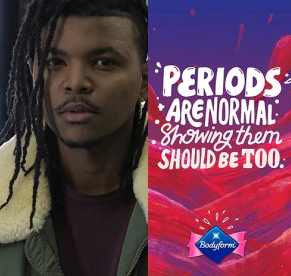
Ma il caso di Bodyform risulta particolarmente interessante perchè ha sovvertito le ‘regole’ della comunicazione nel settore della igiene femminile, creando un precedente che gli altri concorrenti non hanno più potuto ignorare.
se è normale, perchè non parlarne?
Al giorno d’oggi in molti Paesi le donne ancora si vergognano di parlare di mestruazioni e considerano inappropriato discutere dell’argomento con il padre, il fidanzato e altri ragazzi. In che modo un processo naturale come il ciclo può essere considerato tabù? E come hanno contribuito le aziende che pubblicizzano prodotti mestruali ad alimentare questo tabù?
Come ha affermato Nicola Coronado, direttore marketing Bodyform (UK): “Le mestruazioni sono un processo naturale, ma viviamo ancora in una società in cui nascondiamo gli assorbenti nelle maniche, dove le immagini di macchie di sangue vengono rimosse dai social media e le atlete sono riluttanti a parlare dell’impatto delle mestruazioni sulle loro prestazioni ”.
Con l’obiettivo di generare una conversazione su questo argomento “scomodo” e contribuire all’uguaglianza di genere dando alle donne il diritto di potersi esprimere su un fenomeno che la società da sempre considera “sporco”, “follia”, “ormonale” o “disgustoso”, Essity attraverso i suoi brand di igiene femminile ha iniziato nel 2012 una lunga campagna di informazione e sensibilizzazione che, con #bloodnormal nel 2017 e Viva La Vulva nel 2019, ha contribuito alla lotta contro la disuguaglianza di genere e promosso l’empowerment delle donne nella normalizzazione di un processo naturale come le mestruazioni.
Il punto di partenza è semplice: le donne non dovrebbero sentirsi imbarazzate per qualcosa che è perfettamente naturale e accade a ogni donna del mondo.
Omicidi, risse, operazioni chirurgiche in tutta la loro sanguinosa gloria sono consentiti sugli schermi di intrattenimento in quasi tutti i canali e mezzi. Tuttavia, quando si tratta di sangue mestruale, scatta la censura. Ci è voluto fino al 2017 per versare del liquido rosso su un assorbente.
Avete mai posto l’attenzione sul fatto che i marchi di igiene femminile utilizzano un liquido blu artificiale nelle dimostrazioni dei prodotti? Questa ‘autocensura’ ha permesso ai tabù di prosperare. Secondo una ricerca condotta da Libresse, il 90% delle donne tenta di nascondere il ciclo, il 42% delle donne ha provato vergogna e il 56% degli adolescenti di tutto il mondo afferma che preferirebbe essere vittima di bullismo piuttosto che parlare con i genitori del proprio ciclo.
Libresse ha voluto sfidare pubblicamente questo stigma e rompere il silenzio. Con la campagna #bloodnormal ha dimostrato al mondo che l’unico modo per eliminare ogni tabu sulle mestruazioni è rendere visibile l’invisibile.
Bloodnormal Full Version AD film
Così il film, diretto da Daniel Wolfe, prodotto da Monika Lenczewska e scritto da Nadja e Nick ha messo in scena donne che possono chiedere senza vergogna un assorbente a tavola durante un pranzo, e compagni di scuola che possono passare gli assorbenti interni alle loro compagne senza imbarazzo.
C’è un però. Alcuni Paesi come il Regno Unito hanno diffuso una versione diversa del film. Perchè? per garantire che la campagna globale rispettasse le “sensibilità culturali” in ogni mercato. Così la scena in cui una ragazza indossa un assorbente è stata oggetto di censura in UK. Ma Libresse ha deciso di trasmetterla comunque, ma pixelata, con la citazione delle autorità del garante delle comunicazioni in cui si afferma: “La vista del sangue mestruale è inaccettabile”.
Bloodnormal Case Study
Circa un paio d’anni dopo, quella pubblicità che mostrava una donna in mutande e un’altra con il sangue che colava lungo le gambe era stata considerata “offensiva” da alcuni spettatori australiani. I reclami andavano dal cattivo gusto alla denigrazione e all’umiliazione delle donne fino alla preoccupazione per i bambini troppo piccoli per vedere il sangue scorrere lungo la gamba di una donna sotto la doccia. Ma l’Advertising Standards Authority ha di fatto dichiarato che lo spot non violava alcuno standard di codice etico.
Grazie al potere della rappresentazione e all’ingaggio di un marchio mainstream, mostrare il sangue delle mestruazioni per la prima volta ha sfidato lo status quo e avviato un processo di normalizzazione, difficile per gli altri players da ignorare.
Ma la strada non è mai in discesa. Quando nel 2018 Bodyform ha diffuso la sua campagna “Viva la vulva”, in alcuni mercati il lavoro quasi non ha visto la luce.
Viva La Vulva Full Length AD film
“Viva la vulva”, una “gioiosa ode musicale alle vulve in tutte le loro forme e dimensioni”, ha affrontato molti ostacoli prima di essere accettata. Il primo ostacolo era conquistare gli stakeholder interni di Essity: come ci si poteva aspettare, è stato difficile convincere la dirigenza e il consiglio di amministrazione a realizzare una campagna piena di vulve. Poi sono arrivati problemi con le autorità garanti sulle comunicazioni: dopo aver affrontato i divieto posti a bloodnormal, tuttaiva, il marchio ha visto facilitato il processo di approvazione.
Il peggio è stato affrontare gli standard e le politiche di diffusione di contenuti sensibili sui social network: le policy di approvazione decentralizzate di Facebook e Google hanno significato che “Viva la vulva” è stato bandito sui social media in tutti i Paesi in cui è stato lanciato e in alcuni casi il marchio non è stato in grado di invertire questa decisione.
Certo, ne è valsa la pena. Gli obiettivi di comunicazione di #bloodnormal erano ambiziosi: aumentare i livelli di brand equity, la percezione positiva e la brand favourability. Scegliere un argomento che potesse provocare uno ‘shock’ nel pubblico, e quindi, impattare in modo forte sulla percezione dei clienti, è il rischio esatto che il Libresse ha deciso di correre con la campagna #bloodnormal, ricevendo moltissimi riconoscimenti, incluso Grand Prix ai Cannes Lions.
Bloodnormal e Viva la vulva non sono ‘campagne occasionali’: in continuità con la propria missione (o purpose), la strategia di comunicazione dal 2012 è incentrata sull’emancipazione femminile, con progetti come “Vagina Varsity”, una divertente serie educativa in cui un’adolescente può imparere tutto ciò che dovrebbe sapere sulla vagina, o i sei nuovi “Femoji” nella tastiera emoji di Unicode a tema ‘mestruazioni’ (dagli assorbenti ai pantaloni maculati ai crampi), l’obiettivo è consentire alle ragazze di esprimere i propri sentimenti in un modo naturale.
E’ attraverso la propria strategia di comunicazione che l’azienda sta contribuendo al raggiungimento dell’Obiettivo numero 5 (“Gender Equality”) degli SGDs. Ma il 5° non è l’unico Goal sui quali l’azienda si è impegnata.
In relazione all’Obiettivo #6, acqua pulita e servizi igienico-sanitari, Essity afferma che l’azienda ha ridotto il proprio consumo di acqua del 4,7%. Per l’Obiettivo #12, consumo e produzione responsabili, Essity dichiara di contribuire a un modello circolare, seguendo sempre un consumo sostenibile e utilizzando prodotti e servizi sicuri e rispettosi dell’ambiente. Per raggiungere l’Obiettivo #13, climate action, Essity ha ridotto le proprie emissioni di gas serra del 17,9% tra il 2005 e il 2017. Per il Goal #15, vita sulla terra, dichiarano di impegnarsi per una gestione forestale responsabile.
Eppure nel 2017 Essity è stata oggetto di una campagna di Greenpeace contro la distruzione di parte della Great Northern Forest in Svezia, Finlandia e Russia. Con il lancio del rapporto “Wiping Away the Boreal”, Greenpeace ha denunciato la multinazionale svedese Essity, principale produttrice europea di tissue e nota in Italia per il marchio Tempo. Essity si procura le risorse dalla SCA che è nata dalla scissione del gruppo SCA Hygiene Products Spa in due aziende indipendenti: SCA “the Europe’s largestprivate forest ownered” e Essity, specializzata nella produzione di fazzoletti, carta igienica, asciugatutto, assorbenti e tovaglioli.
Nel rapporto 2019 SCA conferma di possedere uno degli impianti di produzione di fibra più competitivi al mondo.
“SCA produces market pulp at Östrand pulp mill. The mill was expanded in 2018 to double its capacity. Östrand is now one of the most competitive production facilities for bleached softwood kraft pulp in the world. Together with chemical thermomechanical pulp production, Östrand’s annual capacity amounts to 1 million tonnes. SCA’s pulp has highstrength properties, suitable for tissue and specialty paper“
Greenpeace chiede all’azienda che aumenti l’uso di carta 100 per cento riciclata post consumo e non sbiancata nella sua produzione e nel caso in cui la presenza di fibre vergini sia necessaria, di assicurarsi che queste non provengano dai Paesaggi Forestali ad Alto Valore di Conservazione.
Dal canto suo Essity ha replicato che: “Il 100% della fibra di legno è stata certificata o controllata, il che significa che i nostri fornitori sostengono e salvaguardano i principi sulla biodiversità e la conservazione delle foreste.”
L’eccessivo sfruttamento delle risorse naturali porta con sé impoverimento dei suoli e scomparsa della biodiversità.
Le aziende davvero responsabili che producono in quantità industriali, e che, tra l’altro, anno dopo anno ottengono ricavi crescenti (le vendite di SCA sono cresciute del 4,5% mentre l’EBITDA è aumentato dell’1%), dovrebbero vigilare sul mantenimento dell’ecosistema, altrimenti ogni battaglia per lottare contro le disparità risulterà vana.
Dal momento che sei arrivato fino a qui La missione del nostro magazine online è scrivere di come le aziende stanno comunicando il loro impegno per affrontare le grandi sfide del Nuovo Millennio. Dall’emergenza climatica all’ineguaglianza sociale passando per tutte le tematiche incluse nell’Agenda degli Obiettivi di Sviluppo Sostenibile, grazie ad algoritmi di intelligenza artificiale, monitoriamo la congruità delle loro affermazioni, cioè se fanno quello che dicono. In un mondo in cui l’informazione veritiera è una merce sempre più rara, pensiamo che i cittadini meritino di avere accesso ad analisi accurate che hanno al centro l’integrità. La nostra indipendenza editoriale significa che la nostra agenda di contenuti viene declinata soltanto per dare voce alle nostre opinioni, sostenute da ricerche approfondite, liberi dall’influenza politica e commerciale di shareholders e proprietari milionari (che non abbiamo). Questo significa che possiamo esprimere opinioni in controtendenza e dare voce a chi ne ha di meno. Speriamo che questo possa motivarti a sostenerci ogni giorno. Il contributo di ogni lettore, piccolo o grande che sia, è estremamente utile. Supporta BeIntelligent anche con unpiccolo contributo. Grazie!
Mi occupo di comunicazione da 20 anni, ho lavorato nel marketing di grandi aziende internazionali e italiane e conosco i meccanismi della persuasione pubblicitaria. Ho deciso di investire il mio know how e le mie competenze per usare le risorse che hanno a disposizione le aziende (investimenti ma anche capitale umano) nella trasformazione positiva. Perché agli studenti di tutto il mondo a cui insegno Purpose Brands in Università Cattolica voglio poter dare sempre più esempi di aziende virtuose che hanno investito per il futuro, di tutti (e ce ne sono già molte!). Perché se stiamo a guardare, senza agire, senza responsabilizzarci, non abbiamo scuse. View all posts by elena grinta
Ecofriendly. Organico. Naturale. Fast? 1 Giugno, 2020 Ecofriendly. Organico. Naturale. Verde. Questi termini vengono spesso vengono spesso utilizzati per pubblicizzare…
One of the most important key components of a brand’s success is communication. Most of the times, even though sustainable and ethical practices are in place in a company, they fail to communicate their responsibility. And while it’s great that companies don’t act in a “good way” just for publicity, it’s also important to involve the community around them and let them know of everything they are putting into practice. Building a strong communication channel not only gives brands the chance to put out there their sustainable actions, but also gives them the opportunity to create a stronger bond with community, which feels taken into account when its informed about “internal” brand policies and practices. Is there a connection between the rise of interest towards branded content and the creation of more & more purpose driven campaigns? What’s the line between the brand and its purpose? Glass box brands should bring solutions to issues they bring to light
Purposeful Communication: Opportunity or Threat?
One of the most important key components of a brand’s success is communication. Most of the time, even if sustainable and ethical practices are in place, companies fail to communicate their responsibility. And while it’s great that companies don’t act in a “good way” just for publicity, it’s also important to involve the community around them and let them know about everything they are putting into practice. Building a strong communication channel not only gives brands the chance to release their sustainable actions, but it also gives them the opportunity to create a stronger bond with community members, who then feel heard because they are informed about “internal” brand policies and practices.
Is There a Connection Between the Rise of Interest Towards Branded Content and the Creation of More and More Purpose-driven Campaigns?
I was asked to write a paper for the BCMA book celebrating 10 years of the association’s activity, so I started reviewing the Grand Prix winners of the BC&E category at Cannes Lions ever since its inception:
Winner of the 2012 Grand Prix was US-based Mexican restaurant chain, Chipotle for its “Cultivate” campaign; Intel and Pereira & O’Dell won for the “The Beauty Inside” in 2013, (No Grand Prix awarded on 2014 and 2015). In 2016 “The Displaced” for New York Timer VR, by Vrse; 2017 was “Beyond Money” by Santander and this year, KPN’s Evert_45 campaigns were awarded the Entertainment Grand Prix.
In all of these examples, brands put their environmental and/or social commitment at the center of their marketing strategy. They transformed their own “brand structure” into a “purpose” to build a deeper connection with consumers.
Surely, storytelling and purposing have a lot to share, but there is a potential downside for brands linking themselves to important social issues using storytelling to persuade their consumers.
Look at what happened to Chipotle. The company always claimed to be “the healthy alternative to fast food.” Chipotle’s problem started back in July in Washington state, when 5 people got sick with E. coli after eating Chipotle, but it only made news on the local paper. Chipotle became a national story when bad tomatoes in Minnesota stores infected 81 people with salmonella in August. About the same time in California, Chipotle told the local health department that 17 employees were sick with norovirus, a nasty intestinal bug: 230 people caught the virus. At this point, the problem, though serious, appeared to be isolated, and Chipotle’s executives thought they had it under control. That changed when a separate E. coli outbreak crossed state lines in late October. The company closed all 43 restaurants in 2 States. In total about 500 people got sick from eating Chipotle in the second half of 2015.
What’s the Line Between the Brand and Its Purpose?
“With an increasing number of businesses making it a focus of their marketing, consumers are understandably getting a little skeptical – particularly when there is not a clear line between the brand and its purpose.” -Charlotte Rogers, Marketingweek
I think it’s an important role that companies are playing in bringing social issues to the public’s attention, but at the same time I fear it may just be a trend in marketing rather than a real inside transformation for the company: sometimes it’s hard for consumers to trust brands embracing “causes” without demonstrating they “really believe” in what they say they stand for. And they are right. Unfortunately there are a lot of “purpose driven campaigns” created for companies that aren’t actually facing a radical change.
Glass Box Brands Should Bring Solutions to Issues They Bring to Light
Back when a business was a black box, the brand was whatever the marketing team painted on the outside. “Now that a business is a glass box, the brand is everything. Every person. Every process. Every value. Everything that happens, ever.” – David Mattin Trendwatching CEO.
Even if it is admirable that companies want to bring thoughtful issues to the public’s attention, it’s not enough: they should also bring and implement solutions. Dentsu Aegis found that “there is a clear set of preferred causes that businesses adopt: purposeful campaigns around the topics of Environment, Diversity, Health and Social welfare make up 70% of all winning entries.”
Transparency is key to success, but sometimes it is not enough to “put it out there.” Mindful communication with a purpose behind it is the ultimate goal. Reaching the right audience with the right message should be every company’s objective, and while it’s not always easy, following the brand core values and being true to themselves as well to consumers is the first step to get there.
Interested in the conversation? Join our community!
Since you’re here… Our mission is to monitor Advertising to make certain that companies obey ethical standards of trustworthiness and transparency while communicating their commitment to addressing the great challenges of the New Millennium. From climate emergency to social inequality through all the issues included in the Sustainable Development Goals Agenda, we monitor the consistency of their statements, if they are ‘walking the talk’. With rising misinformation and commercial ownership, independent information is more and more rare. We think citizens deserve access to accurate analyses with integrity at their heart, so we can all make critical decisions about our lives, health and enviroment – based on fact, not fiction. Our editorial independence means our content agenda is set only to voice our opinions, supported by in-depth research, free from any political and commercial bias, never influenced by interested owners or shareholders (which we don’t have). It means we can stand up to mainstream and give a voice to those less heard. We hope this will motivate you to make a contribution in support of our open, independent journalism. Every reader contribution, however big or small, is so valuable. Support BeIntelligent from as little as €5 – and it only takes a minute.Thank you.
I have been dealing with communication for 20 years, I have worked in marketing for large international and Italian companies and I know the mechanisms of advertising persuasion. I decided to invest my know-how and my skills to use the available resources of companies (budgets but also human capital) in positive transformation. Because to students from all over the world I teach at Purpose Brands in Catholic University I wish to give more and more examples of virtuous companies that have invested for the future, of everyone (and there are already many!). Because if we watch, without acting, without taking responsibility, we have no excuse. View all posts by elena grinta
The EcorNaturaSì Group distributes organic and biodynamic products in specialized stores and supermarkets in Italy. The brand holds a strong position in the national market for its ethical products and its many activities in support of organic agriculture and culture in general. Compared to other supermarket brands in the European region, NaturaSì does not see sustainability and responsibility for production and consumption as a marketing strategy tailored to the corporate vision. Rather, the brand has integrated its commitment to organic production into all its operations, offering healthy and quality products that promote human well-being. The company’s history is rooted in promoting the development of a healthy and balanced biodynamic agriculture and seems to incorporate these practices into everything it does.
The ideas of the renewal of agriculture, social life, and the science of nutrition are borrowed from Rudolf Steiner, who inspired the founders of Ecor, some of whom today preside over the Free Anthroposophical Foundation Rudolf Steiner, the majority shareholder of EcorNaturaSì.
Ecor has from the beginning supported its producers and shopkeepers, also through loan or gift logics (very close to the Steinerian ideology) [i] and applying the ‘right price’, that is a price that ‘responsibly’ takes into account the production costs, the value of a decent job, the externalities caused and that generates a margin that can be reinvested in research and in socially useful works.
The right price is opposed to the deceptively low price – as well explained by Raj Patel in his ‘The Value of Things’, a price that seems low (such as we spend $4 for a burger at a fast food chain), but actually corresponds to 50 times as much. If we consider the state subsidies paid to farmers of maize used to feed the cattle that are raised on deforested land (often illicitly), the state aid paid to the employees (often precarious) who work in restaurants with insufficient minimum wages or even spending on healthcare to treat diseases related to eating disorders, we find that today we are paying $200 for a hamburger that costs $4 for fast food. It is not a simple sophism.
According to a study carried out by the London consultancy firm Europe Economics, the listing fees (quota of access to the shelf) that producers pay to distributors to be present in the sign amount to a figure between 30 and 40 billion euros are equal to half of the subsidies that the European Commission guarantees to EU farmers through the common agricultural policy (CAP). To be more explicit, the taxpayers’ money spent in the CAP only serves to innovate (perhaps in the direction of a lower ecological impact) and in part to support the production costs that the large-scale retail trade negotiates to ensure a turnover growth. The choice to cut internal labour costs contributes to this same goal, forcing employees and suppliers to sometimes extreme precarious conditions. In the collective imagination, the exploiters of the tomato fields are the “corporals” and the criminal organizations that organize these activities. On closer inspection, responsibility should be shared among all those who generate these mechanisms.
In this market struggle, the promise of the ‘right price’ [ii] maintained for Ecor brand products is likely to be engulfed by two factors, one endogenous (the choice to market non-exclusive products) and the other exogenous (the perception of the ‘right’ in an arena today more competitive than ever). Let’s go in order: Is the promise of the right price sustainable for the range of products that can be found in NaturaSì stores, as well as in the GDO? This doubt is linked to a crucial choice factor for the consumer, relating to the formation of the final price of the products on the shelf: how long can the claim for a higher price remain legitimate, when other competitors propose a portfolio of organic and sustainable references at more affordable prices? Without consumer education, it will be difficult (potentially impossible) to counter the persuasive force of retailers who loudly proclaim their sustainability and face the scandals that have cracked consumer confidence in the entire organic supply chain.
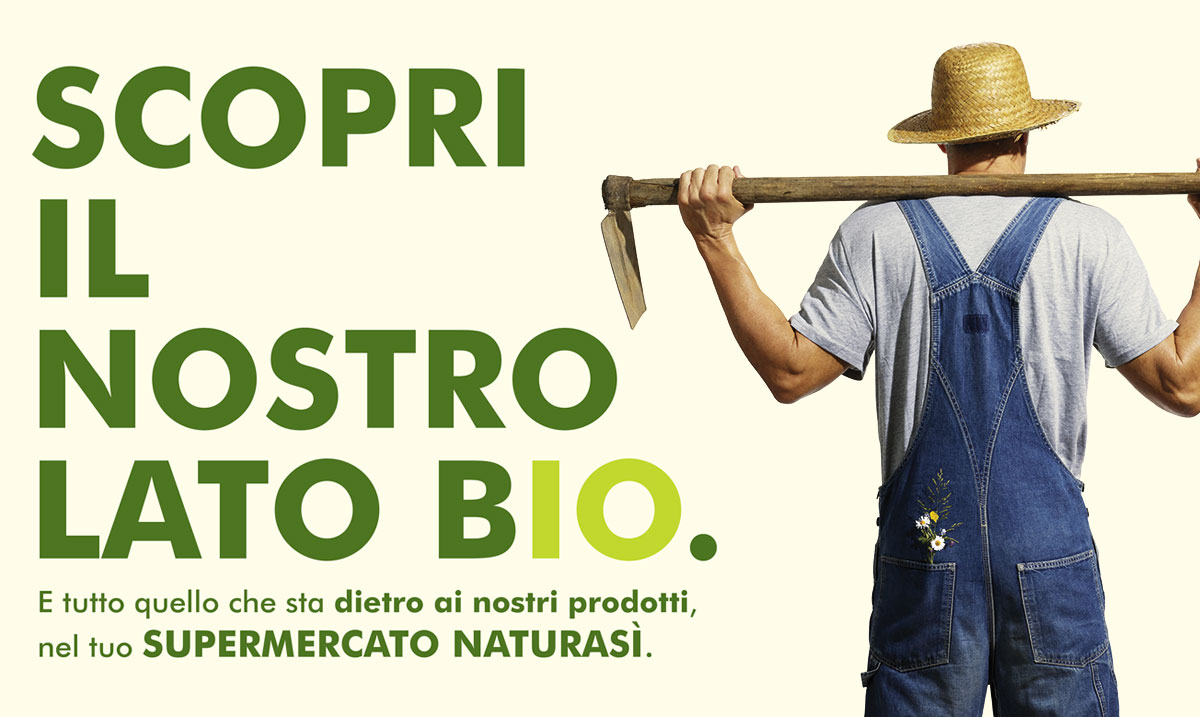
Recently Natursì has re-planned a campaign carried out in 2017 by the Milanese communication agency Rifattimale by Manfredi Marino and Ugo Berretta. A farmer from behind shows his B (Biodynamic) side and the payoff reads: “DISCOVER OUR B-IO SIDE.” A play on words to attract the attention of consumers and encourage them to adopt a more conscious lifestyle. Roberto Zanoni explains, General Manager of the brand: “Buying food at our supermarkets means recognizing the right price to farmers, facilitating the growth of organic and biodynamic agriculture that protects the land and its fertility. Here, paying a few cents more for the products makes sense. The consumer must understand and be aware of the fact that the purchase choice goes beyond his own portfolio, it is a real responsibility for us and for our children” [iii].
EcorNaturaSì enjoys an enormous competitive advantage and is now perceived as a leader in the ‘bio’ sector, but it is difficult to think that the attitude of consumers alone will change. To succeed in its purpose, Ecor should involve its competitors in the retail industry and turn them into accomplices by sharing knowledge and experience and guiding the transformation through the more widespread introduction on the market of biodynamic products made available to consumers of all income levels (and not only those who currently attend the Natursì stores). Ecor could incentivize the distribution of biodynamic products, guaranteeing potential growth for all producers thanks to the expansion of the network.
To accelerate the change, it is the responsibility of companies with a utopian mission (and EcorNaturSì is fully committed) to conduct ‘battles’ at the sector level to create sustainable environmental practices through their own value leadership (and not just the market).
[i] See, for example, the Adopt a Zolla23 project which invites (as a loan of money) parts of land on biodynamic farms.
[ii] The promise “The products we distribute must contribute to improving human health, as well as the well-being of the soil and the environment in which we live.”
[iii] “We want all consumers to be aware and make choices guided by awareness to protect human health, the environment and agriculture” explains Roberto Zanoni , General Manager of the brand. “NaturaSì has been committed for 30 years to supporting organic agriculture and farmers, for human and environmental health: buying food at our supermarkets means recognising the right price to farmers, facilitating the growth of organic agriculture and biodynamics that protect the Earth and it’s fertility. Here, paying a few cents more for the products makes sense. The consumer must understand and must be aware of the fact that the purchase choice goes beyond one’s wallet, it is a real responsibility for us and for our children because if we keep the land alive and fertile, here we can collect food that nourishes us and that does us good over time. This is our bio side: a commitment that we have put in place since the first day and that guides us even more today “.
Since you’re here… Our mission is to monitor Advertising to make certain that companies obey ethical standards of trustworthiness and transparency while communicating their commitment to addressing the great challenges of the New Millennium. From climate emergency to social inequality through all the issues included in the Sustainable Development Goals Agenda, we monitor the consistency of their statements, if they are ‘walking the talk’. With rising misinformation and commercial ownership, independent information is more and more rare. We think citizens deserve access to accurate analyses with integrity at their heart, so we can all make critical decisions about our lives, health and enviroment – based on fact, not fiction. Our editorial independence means our content agenda is set only to voice our opinions, supported by in-depth research, free from any political and commercial bias, never influenced by interested owners or shareholders (which we don’t have). It means we can stand up to mainstream and give a voice to those less heard. We hope this will motivate you to make a contribution in support of our open, independent journalism. Every reader contribution, however big or small, is so valuable. Support BeIntelligent from as little as €5 – and it only takes a minute.Thank you.
I have been dealing with communication for 20 years, I have worked in marketing for large international and Italian companies and I know the mechanisms of advertising persuasion. I decided to invest my know-how and my skills to use the available resources of companies (budgets but also human capital) in positive transformation. Because to students from all over the world I teach at Purpose Brands in Catholic University I wish to give more and more examples of virtuous companies that have invested for the future, of everyone (and there are already many!). Because if we watch, without acting, without taking responsibility, we have no excuse. View all posts by elena grinta
Gender Inequality Storytelling Through Images and the Role of Brands
Stefano Stranges is a photographer from Turin who was born in 1978. In 2012, he attended the master class of the Magnum agency focused on reportage photography with particular interest in social projects. In one of his exhibitions called “Le bambine salvate,” Stranges was able to help raise awareness of the gender inequality problem in India by showing the lives of Indian girls. Some of the problems he shed light on included violence against women, forced marriages, rape, and general discrimination. Stranges has visited the villages where most of them come from and portrayed intimate, dramatic, and unexpectedly joyful moments.
“My projects and my work start with the social and sociological approach and are determined by the empathy between my subject and me.”
His photos are not posed. On the contrary, he portrays the typical day of an Indian girl at her house. In all of them you see young teenagers taking care of two or three children in their homes while their husbands are not around. They all share the same dream: to become successful independent working women.
If a fourth child is a female, a popular superstition regards it as a sign of misfortune: Indhumati, born after a male and two females, would have been sacrificed if Terre des Hommes had not intervened. She today is 19 years old and studies computer science. She wants to become a teacher and devote herself to the children of less well-off families. She is very proud of her personal story. “The infamy of killing little girls must never be repeated,” she says.
Karthiga, an 18-year-old girl and child of four, had another destiny: she got married with the boy next door and for this she had to interrupt her studies. Her day is divided between the child, the domestic tasks, and the calf to be cared for, all under the supervision of her mother-in-law.
Harini, last of three sisters, lives with her parents in two rooms without windows built on the back of her father’s barber shop. Her passion for the studio transformed the house walls into sheets for notes. She studied civil engineering and dreamed of becoming governor of the Salem District. “God blessed us when he changed our mind and did not allow us to kill her as soon as she was born,” says her mother, who works for Terre des Hommes today.
This dream for an Indian girl is very challenging to obtain; and for Stranges, it was not an easy task to describe.
Two of my students from Università Cattolica had the opportunity to see “Le bambine salvate” exhibition on the field trip study during my course. One is from Germany, the other from Ecuador: two completely different countries and realities. Coming from diverse backgrounds made them perceive the exhibition in different ways and awakened different feelings.
Constanze (German) said, “For me it was sad to see how gender inequality is still so strong and inclement in some corners of the world that it can even get to the point to kill little girls just to avoid paying for their education and life. However, when I saw the picture of the founder and director of Terre des Hommes Core, I felt a glimpse of hope for the Indian women. I knew that just the fact that one organization was already stepping up for women and their cause is already a good sign and way of getting to a better world. Coming from Germany where there are many independent and successful working women, it is really shocking to see these. I remember I was walking one day into a kindergarten to pick up one of my nieces and was surprised of the important number of fathers picking up the kids. I thought I was going to see more mothers, but this was not the case. I think people from India deserve to achieve this equity standard that Germany enjoys nowadays. In Germany women and men are almost equal. There are a lot of women who are responsible for their own works, families, and houses, just as men in India.”
Isabel replied “For me, coming from Ecuador, the images of Stranges were realities I see everyday when walking around my city. The exhibition reminded me of the town where I go to the beach. Once, on a Saturday morning, I went to a bakery and there were only women working in the neighborhood. I found this weird and then I heard they were all complaining about how lazy their husbands were. I think gender inequality in Ecuador is different than in India, but it is still present. In this small-town, men take advantage of women in every way. They go out to party and get very drunk. As a consequence the following day they cannot work, and their wives must take care of their houses, children, the mess from last night, and even their work responsibilities. They think they are the rulers and because of this their wives must do all they asked them to. This is very wrong, because responsibilities should be divided equally. It should be as in Germany, where both women and men work, clean, and pick up children from school. A place where men also do laundry and go grocery shopping.”
After discussing our different points of views, students mentioned the United Colors of Benetton campaign called #Unitedbyhalf that is committed to fighting gender inequality around the world, especially in Indian. It is a gender equality campaign that shows the many capabilities of Indian women and how they are the other half of the country. This means that not only the half of the country made up by men is able to achieve wonderful things, but women, the other half, are also capable of achieving highly.
They also mentioned Ariel’s#sharetheload campaign about men sharing the laundry load with women. These two big brands are notable examples of gender equality promotions. Also, they incentive oppressed women to fight for themselves and their rights and give hope of a better and more equal world.
While listening to their discussion, I thought both Ariel and Benetton are examples of ‘Purposewashing.’ I do prefer brands like Patagonia against Benetton because of its purpose (and I’m not alone), which is not just a matter of cause related marketing: Patagonia really does believe in what it does, because the company was born with it in its DNA. But at the same time I think we need to distinguish marketing/communication strategies and business strategies/processes.
I have then shared with all my students this question: Considering communication as a persuasive tool, what should brands do? Should they try more efficient ways to sell their products (even with AI, etc.) or could they also create debate on social issues (eg. Dove, Ariel, etc.)? In other words, should brands create more meaningful ads (like Persil “Free the Kids”) even while they still have horrible impacts on the environment (with plastic waste, water consumption, etc.)?
I have been dealing with communication for 20 years, I have worked in marketing for large international and Italian companies and I know the mechanisms of advertising persuasion. I decided to invest my know-how and my skills to use the available resources of companies (budgets but also human capital) in positive transformation. Because to students from all over the world I teach at Purpose Brands in Catholic University I wish to give more and more examples of virtuous companies that have invested for the future, of everyone (and there are already many!). Because if we watch, without acting, without taking responsibility, we have no excuse. View all posts by elena grinta
Danone, the French food giant, has decided to undergo the BCorp certification, which is a real challange, considering that Danone is listed on the stock exchange and that failure to achieve this goal could have negative repercussions on the company, adding only “paperwork and unnecessary restrictions” [1] . Instead, the CEO Emmanuel Faber has announced to want to reach the necessary parameters to the certification and to become a B Corp within 2030 , after that also Danone North America – the eighth branch of Danone (and the largest) – has become a B Corporation certified. Danone North America is Danone’s 8th subsidiary to become a Certified B Corporation. Some critics say that filing as a B adds unnecessary paperwork and restrictions. But for brands looking to connect with growing consumers, B Corp’s status establishes integrity and builds consumer goodwill.
A danger that is worth running, Faber said, because ” certification has received great support from employees and has won over skeptical investors” [2], as well as having instilled confidence in the banks, which they renegotiated at a lower loan of two billion euros [3] .
Emmanuel Faber fully embodies the role of the corporate activist , when he declares that he wants to be a promoter of a “Food Revolution”[4] and urges the industry to join a “movement” that aims to “the adoption of healthier products and of sustainable eating habits “[5] .
” Food sovereignty for us means giving up control and restoring power to people, and how credible would we be to tell our consumers if we didn’t start with our employees?”[6] , Faber asks.
To be credible as a ‘brand activist’, all stakeholders, starting with employees, should embody the values of the company and its ideology. “The purpose can become marginal if you don’t work at it. Therefore, it is essential to give people the responsibility to make the brand responsible for its goals and philosophy. “[7]
The new era of ‘people powered brands’ is no longer just a consumerat the center program, but a paradigmatic transformation from Business-to-Consumer to Human-to-Human (from B2C to H2H).
Here’s how the ‘legal person’ can become a ‘natural person’: through the hundreds of faces, personalities, dreams that constitute the ‘workforce’ of every business reality. Bryan Kramer, who first used the expression H2H, says “ Businesses do not have emotion. People do. People want to be part of something bigger than themselves. People want to feel something. People want to be included [8] It is not just a ‘social media’ strategy [9] where it is sufficient to show the team behind the product and the magic is done. No. All human resources must be involved and treated as Resources, and Humans. One of the biggest mistakes you can make is investing huge budgets in campaigns to activate your customers and not invest effectively in internal communication, making little effort to tell your story and your progress within the company. Showing the social impact that the company is having can be highly effective when it is measurable and closely linked to the company’s operations.
We hope that Danone, once he has obtained the B Lab certification, will promote a 360 ° sustainable revolution, setting the pace for the other players, perhaps starting from the plastic issue. Perhaps then they will think twice about launching “innovative products” like Eletrolytes Evian for millennials [10] or Mickey Mouse water for children . The oceans will be thankful.
[6] The whole concept behind food sovereignty is for us to surrender control and give the power back to people, and how credible would it be to say to our consumers if we don’t start with our employees? “
[10] We re-ignited our evian brands in the US through the innovative #Iwanna campaign featuring Maria Sharapova, Madison Keys, Luka Sabbat and many inspiring micro-influencers across the country. Engagement was 20 times higher than traditional campaigns, reaching over 18 million consumers.
Author: elena grinta
I have been dealing with communication for 20 years, I have worked in marketing for large international and Italian companies and I know the mechanisms of advertising persuasion. I decided to invest my know-how and my skills to use the available resources of companies (budgets but also human capital) in positive transformation. Because to students from all over the world I teach at Purpose Brands in Catholic University I wish to give more and more examples of virtuous companies that have invested for the future, of everyone (and there are already many!). Because if we watch, without acting, without taking responsibility, we have no excuse. View all posts by elena grinta
Blue Ocean. l’opportunità e la responsabilità di interagire con i mari
07 Giugno 2019
L’8 giugno si celebra la Giornata mondiale degli Oceani , un’occasione per riflettere sull’importanza degli oceani nel nostro ecosistema e sul ruolo che ogni membro della collettività deve assumere per interagire con gli oceani in modo sostenibile
La pesca è un’industria che dà lavoro a più di 200 milioni di persone, molte nei Paesi in via di sviluppo e il pesce è il 17% della fonte proteica mondiale.
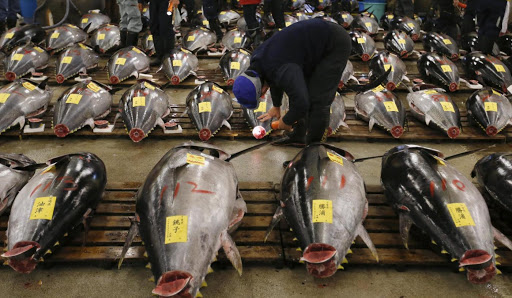
Ogni anno vengono pescate 2,5 milioni di tonnellate solo per l’industria del tonno in scatola ed è un mercato in continua crescita nel tempo. Ciò significa che il pescato totale aumenterà, saranno necessarie più navi, la capacità delle navi dovrà crescere. L’industria del tonno è una tra quelle con i requisiti normativi più severi proprio in funzione della necessità di preservare le risorse.
Per alcuni anni, Greenpeace ha valutato le 11 marche di tonno più comuni sugli scaffali dei supermercati italiani, che rappresentano circa l’80% del mercato, sulla base delle loro politiche di sostenibilità e salvaguardia delle specie catturate, dei metodi di pesca utilizzati e delle informazioni che forniscono ai consumatori .
Nell’ultima edizione, molti hanno dimostrato di lavorare per una pesca sostenibile e trasparente, ma c’è anche chi continua a dipendere completamente dalla pesca intensiva e lesiva dei diritti umani.
Lo stato dell’arte
Mareblu (Thai Union Company) è un brand attivamente coinvolto nella pesca sostenibile, in particolare dopo le indagini svolte da Greenpeace, che l’accusava di essere “seriamente implicato in orrendi diritti umani e abusi ambientali”. L’’obiettivo per Thai Union Copany è di raggiungere entro il 2020 la tracciabilità completa per tutti i prodotti ittici, riducendo il rischio di pesca intensiva, e garantendo che siano soddisfatti standard elevati lungo tutta la filiera. In europa stanno lavorando per ottenere la certificazione Marine Stewardship Council (MSC) e la certificazione Aquaculture Stewardship Council (ASC) in tutta la catena di approvvigionamento della Thai Union Europe.
As do Mar, in base al proprio impegno a “non acquistare tonni catturati nelle riserve marine o in aree destinate a diventarlo” affermano di operare solo in zone dove lo stock non è stato sovrasfruttato, rispettando così le linee guida FAO. Inoltre, garantiscono la piena tracciabilità di tutti i tonni, sgombri e salmoni che utilizzano. Sono inoltre impegnati nel rispetto dei metodi di pesca utilizzando solo i più selettivi e con il minor impatto. Inoltre, in rispetto dei diritti umani, sostengono l’occupazione e l’economia locale. La sostenibilità dei loro prodotti è certificata da “Friend of the Sea” la cui missione è la promozione di prodotti da pesca e acquacoltura sostenibili e per questo, in conformità con le linee guida della FAO, Friend of the Sea ha definito criteri di certificazione altamente selettivi.
Callipo, azienda italiana nata nel 1913 si è da sempre impegnata in progetti di CSR sia a sostegno della ricerca scientifica, sia per il diritto all’istruzione, tanto che nel 2006 il loro CEO ha vinto il premio Ernst and Young “Imprenditore dell’anno” per il suo lavoro sulla “consapevolezza della comunità locale e capacità di favorire la crescita della sua azienda attraverso programmi continui e coerenti volti a supportare e sviluppare la cultura, l’arte, l’ambiente e la vita sociale” Sul loro canale YouTube hanno pubblicato una serie chiamata “Storie di Famiglia” che si concentra sulle persone che lavorano all’interno dell’azienda.
Nato negli anni ’60, Rio Mare non ha impiegato molto a diventare un nome noto nelle famiglie di tutta Italia, ed oggi si attesta come leader mondiale nel settore, anche grazie all’acquisizione del 100% del capitale della Tri Marine di Singapore, un’azienda di trading del tonno. Dell’acquisizione pochi hanno parlato (un comunicato, senza numeri). Secondo cifre non ufficiali ma attendibili il fatturato netto aumenterà i tra i 600 e i 650 milioni on top degli oltre 2 miliardi di euro (55% dalla divisione food) del 2018 (con un utile di 225 milioni di euro).
Rio Mare è stato uno dei membri fondatori della International Seafood Sustainability Foundation, il cui scopo è perseguire lo sfruttamento sostenibile degli oceani.
Il loro sito web enfatizza particolarmente la “Qualità Responsabile“, un programma CSR creato dal Bolton Group per la pesca sostenibile. Mentre sui social media, come youtube e Instagram, i contenuti sono più legati a temi di salute e benessere, sport e ricette.
Nel 2018 Rio Mare ha intrapreso una campagna, “La bambina e L’oceano”, al fine di comunicare le loro attività sostenibili e la decisione di collaborare con il WWF. Si tratta di una serie di video con protagonista una bambina di nome Ondina che inizia un viaggio guidato dal suo amico Oceano. L’avventura la porta nel Triangolo dei Coralli, in un meraviglioso viaggio attraverso immagini di animazione e filmate. Ondina imparerà che le bellezze dell’Oceano vanno tutelate e rispettate, e scoprirà l’importanza dell’impegno di Rio Mare con WWF per una pesca sostenibile.
Il video La Bambina e l’oceano (soggetto, sceneggiatura e editing di Tiziana Martini) ha l’obiettivo evidente di comunicare le proprie attività sostenibili in modo che tutti possano comprendere l’importanza del tema, con l’intuizione che, per quanto la sostenibilità sia un tema di interesse per un largo pubblico, il modo in cui fino ad ora è stato veicolato dalle imprese resta ostico e difficile da capire. Al contrario, La bambina e l’Oceano, parlando con il linguaggio della fiaba, coinvolge il target delle mamme (RA – Responsabili di acquisto).
Tutela del tonno, diritto dell’uomo
La pesca del tonno è una delle più redditizie al mondo, eppure le violazioni dei diritti umani sono endemiche, compresi il lavoro forzato, la schiavitù, la tratta di esseri umani e il lavoro minorile.
Un rapporto del giugno 2019 – Out of Sight: Modern Slavery in Pacific Supply Chains of Canned Tuna, realizzato dal Business & Human Rights Resource Center, che analizza i più grandi distributori di tonno al mondo, rileva che le aziende di questa industria non riescono a sostenere le loro politiche con azioni pratiche. La maggior parte degli intervistati richiede che i fornitori aderiscano ai moderni standard di lotta alla schiavitù, e tre (tra cui Tri Marine) hanno riferito di avere una politica propria, clausole contrattuali specifiche nei loro accordi con i fornitori, che vieti l’uso di lavoro forzato. Tuttavia, è difficile definire come queste aziende applichino i controlli: il Business & Human Rights Resource Center ha lamentato la scarsità delle informazioni fornite e l’assenza di prove che accertassero l’esistenza di procedure di due diligence consolidate ed efficaci: 18 società hanno indicato di condurre una qualche forma di due diligence – ma Tri Marine non ha fornito alcuna informazione sui propri processi di due diligence sui diritti umani.
È evidente, analizzando la strategia digital del marchio Rio Mare, che l’obiettivo è trasferire a tutti gli stakeholder il concetto di responsabilità a 360 gradi. L’impegno sembra essere sincero, ma la posta in gioco altissima. Diritti umani, salvaguardia delle specie, tutela dei mari, sono risultati che dovrebbero essere raggiunti come industria, mercato intero, guidato da leader visionari, sovversivi quasi.
Dal momento che sei arrivato fino a qui La missione del nostro magazine online è scrivere di come le aziende stanno comunicando il loro impegno per affrontare le grandi sfide del Nuovo Millennio. Dall’emergenza climatica all’ineguaglianza sociale passando per tutte le tematiche incluse nell’Agenda degli Obiettivi di Sviluppo Sostenibile, grazie ad algoritmi di intelligenza artificiale, monitoriamo la congruità delle loro affermazioni, cioè se fanno quello che dicono. In un mondo in cui l’informazione veritiera è una merce sempre più rara, pensiamo che i cittadini meritino di avere accesso ad analisi accurate che hanno al centro l’integrità. La nostra indipendenza editoriale significa che la nostra agenda di contenuti viene declinata soltanto per dare voce alle nostre opinioni, sostenute da ricerche approfondite, liberi dall’influenza politica e commerciale di shareholders e proprietari milionari (che non abbiamo). Questo significa che possiamo esprimere opinioni in controtendenza e dare voce a chi ne ha di meno. Speriamo che questo possa motivarti a sostenerci ogni giorno. Il contributo di ogni lettore, piccolo o grande che sia, è estremamente utile. Supporta BeIntelligent anche con unpiccolo contributo. Grazie!
Mi occupo di comunicazione da 20 anni, ho lavorato nel marketing di grandi aziende internazionali e italiane e conosco i meccanismi della persuasione pubblicitaria. Ho deciso di investire il mio know how e le mie competenze per usare le risorse che hanno a disposizione le aziende (investimenti ma anche capitale umano) nella trasformazione positiva. Perché agli studenti di tutto il mondo a cui insegno Purpose Brands in Università Cattolica voglio poter dare sempre più esempi di aziende virtuose che hanno investito per il futuro, di tutti (e ce ne sono già molte!). Perché se stiamo a guardare, senza agire, senza responsabilizzarci, non abbiamo scuse. View all posts by elena grinta
Ecofriendly. Organico. Naturale. Fast? 1 Giugno, 2020 Ecofriendly. Organico. Naturale. Verde. Questi termini vengono spesso vengono spesso utilizzati per pubblicizzare…
In occasione del World Environment Day celebrato il 5/06/2019 vogliamo dedicare un approfondimento monografico a una strategia di comunicazione che prevede l’utiilzzo del cosidetto branded entertainment
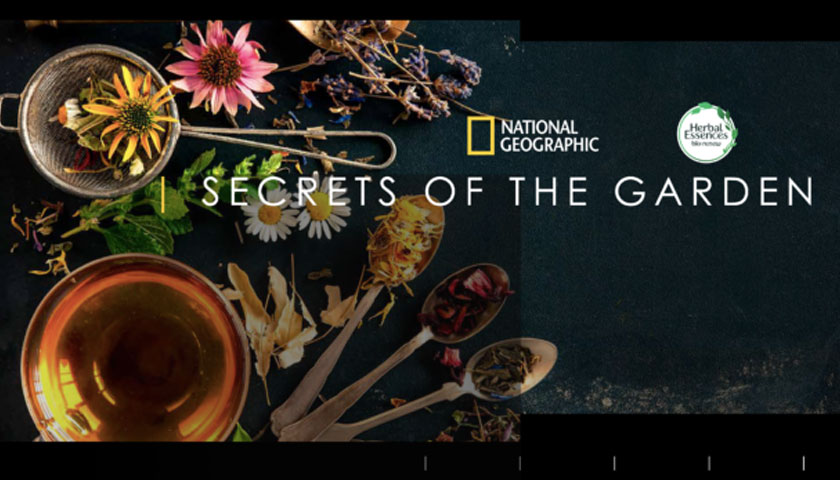
Il 17 gennaio 2019 su National Geographic è andato in onda SECRETS OF THE GARDEN, un documentario di mezz’ora che racconta la straordinaria storia dei Royal Botanic Gardens, Kew.
Herbal Essences è il brand promotore di questa iniziativa di branded entertainment creata con l’obiettivo di portare ai consumatori maggiore trasparenza e fiducia negli ingredienti che entrano nei prodotti Herbal Essences bio: renew.
Con oltre 8,5 milioni di specie nelle loro vaste collezioni, i Royal Botanic Gardens, Kew è uno dei luoghi più ricchi di biodiversità al mondo e una delle principali autorità nel campo della scienza delle piante.
Lo speciale illustra come i botanici di Kew siano in grado di svelare continuamente gli incredibili segreti del variegato regno vegetale. Gli spettatori vengono accompagnati in un viaggio attraverso i giardini e i laboratori dove incontrano gli scienziati che identificano l’esclusiva “impronta botanica” di ogni specie utilizzata nella collezione di Herbal Essences bio: renew.
La professoressa Monique Simmonds, vice direttrice di Kew Gardens e vera pioniera della scienza botanica, sottolinea il potere unico delle piante in relazione al mondo della bellezza e sottolinea perché Herbal Essences è il primo marchio globale per la cura dei capelli approvato di Kew.
Oltre allo speciale personalizzato di 30 minuti, National Geographic ha prodotto una serie di brevi video che fungono da filler, un backstage che porta i visitatori dietro le quinte di Kew e una strategia di contenuti sui social.
Per Herbal Essence la collaborazione con Key royal garden parte dalla certificazione di qualità dell’ingrediente principale che caratterizza il prodotto: “ quando mettiamo una noce di cocco sulla nostra bottiglia, significa che c’è davvero cocco lì dentro. Tipo, vero cocco”, ma va ben oltre:
“Siamo entusiasti di collaborare con un’istituzione che condivide la nostra passione per la protezione del pianeta e delle sue persone.”
Essendo il Key Royal Garden riconosciuto internazionalmente non solo per la approfondita conoscenza delle piante ma anche per i loro sforzi di conservazione e protezione della biodiversità, Herbal Essence acquisisce agli occhi del telespettatore un enorme vantaggio, collocandosi tra i difensori della Natura.
Effettivamente Herbal Essences nel tempo ha ottenuto riconoscimenti per i suoi ingredienti e prodotti sostenibili e per il suo sforzo a ridurre il proprio impatto ambientale. Come menzionano sul loro sito web “Herbal Essences è orgogliosa ed entusiasta di essere riconosciuta da PETA, People for the Ethical Treatment of Animals, come un marchio cruelty free.” Inoltre, Herbal Essences è diventato il primo marchio per la cura dei capelli nel settore largo consumo a soddisfare i severi standard ecologici di EWG Verified ™. Il che significa che due shampo tra tutti quelli della linea bio: renew sono stati certificati dall’organizzazione per non contenere ingredienti o sostanze chimiche preoccupanti e che quei 2 prodotti soddisfano standard elevati per la salute dei consumatori.
Acquisita da P&G nel 2001, nel 2004, Herbal Essences era “In un lungo processo di declino ” secondo Bloomberg. Nel 2006 l’azienda era di fronte a 3 scelte: “ abbandonarlo, disinvestirlo o, francamente, reinventarlo e resuscitarlo” P&G ha scelto il terzo, mettendo insieme un team di marketing, ricerca e sviluppo e designer per aiutare a far rivivere la linea. La loro nuova strategia si rivolge alla “Generazione Y” attraverso un prodotto di nuova formulazione sostenibile, e che utilizza principalmente i canali di comunicazione online
Il riposizionamento di HE ricade nella più ampia strategia di P&G, che ha da tempo dichiarato che il suo obiettivo è “che il 100% dei marchi leader possa consentire un consumo responsabile”.
Parlando nello specifico di Herbal Essences, l’approccio alla sostenibilità si divide in tre diversi segmenti:
Energie rinnovabili: il brand afferma che dal 2016 acquistano elettricità rinnovabile certificata da fonti eoliche per i loro stabilimenti in Iowa. Secondo il loro sito web, “il programma Green-e’s® certifica che l’ energia rinnovabile che acquistiamo soddisfa i severi standard di protezione ambientale e tutela dei consumatori stabiliti dal Center for Resource Solutions Dal 2010, i nostri siti di produzione di Herbal Essence in tutto il mondo hanno ridotto il consumo di energia di circa il 9% e le emissioni di gas di oltre il 15%.“
Ridurre gli sprechi di produzione = l’Iowa City Beauty Care Facility è certificata come” Zero Manufacturing Waste to Landfill”, il che significa che la fabbrica composta, ricicla e implementa il recupero energetico dei rifiuti, evitando che vengano trattati nelle discariche.
Riduzione del consumo di acqua = “Stiamo compiendo uno sforzo concertato per proteggere la risorsa più preziosa del nostro mondo. Dal 2010 al 2016, i nostri siti Herbal Essences in tutto il mondo hanno ridotto il consumo totale assoluto di acqua di oltre il 20% e questo è solo l’inizio. “ (però nessuna notizia specifica chiara viene fornita di come o dove.)
Nel 2018 per aumentare l’intenzione di acquisto e posizionare il marchio come una scelta più intelligente e più naturale nella cura dei capelli, Herbal essence si era affidata a Meredith per alimentare la conversazione tra le donne millennial ingaggiandole sul tema dell’equilibrio tra avere un bell’aspetto e sentirsi bene. la campagna video intitolata Common Scents (con evidente richiamo a ‘common sense’) aveva l’intento di spingere le consumatrici a fare scelte personali leggendo le etichette dei prodotti, celebrando così la capacità di una donna di decidere cosa farà e cosa non farà parte della loro vita, parte della loro salute e parte del loro futuro. Per innescare la conversazione Meredith ha attinto a una ampia gamma di talenti: da micro-influencer a famose attrici e ha chiesto loro non solo di apparire nei video, ma anche di condividere la conversazione sulle proprie piattaforme.
E’ evidente il forte legame che si instaura tra questa e le precedenti campagne di comunicazione di P&G, volte a connettersi alle emozioni dello spettatore. Esempi chiari sono i film che approcciano i problemi di parità di genere come Ariel “Share the Load”, Always “#Likeagirl”, le campagne “Change Destiny” di SKII e “Live Fearlessly” di Olay. Queste campagne utilizzano tecniche di narrazione emotiva per coinvolgere gli spettatori e consentire loro di connettersi all’aspetto umano e affidabile del brand.
Nonostante gli sforzi in PR e comunicazione , HE non sembra però convincere al 100% i consumatori e glli analisiti più attenti.
Allure, popolare rivista di bellezza, ha pubblicato un articolo intitolato “16 stupefacenti prodotti per la cura dei capelli di marchi naturali e biologici”. Tra i 16 marchi e prodotti nominati Herbal Essences non ha ricevuto nessuna menzione: Sembra difficile per Herbal Essences bio: renew essere competitiva sul mercato ‘green’ a causa della significativa presenza di marchi realmente 100% bio. piuttosto, la strategia rende più competitivo il marchio presso un pubblico generalista non particolarmente attento ai temi ecologici e alla naturalità del prodotto. infatti, le opinioni del pubblico su marchio Herbal Essences sono estremamente positive, hanno elogiato il ritorno alle radici del brand e la maggior parte delle persone considera gli shampoo Herbal Essence sostenibili. Una pletora di articoli positivi sui media, blog e recensioni di prodotti / aziende suggeriscono che Herbal Essences ha un forte seguito presso la comunità online.
Tuttavia non mancano alcune inchieste più critiche che mettono in dubbio la completa sostenibilità dei loro prodotti. Ad esempio, la giornalista Melanie Warner ha condotto un’intervista con Len Sauer, vicepresidente della sostenibilità globale di P&G, per scoprire la verità sulle iniziative sostenibili di P&G. A domanda precisa, Sauer ha risposto affermando che P&G’s ha agito sull’innovazione sostenibile per “motivi competitivi”. confermando quindi il sospetto che si tratti di campagne di pubbliche relazioni utilizzate per battere i concorrenti
La giornalista ha portato l’attenzione sulle sfide della ‘chimica verde’ sottolineando che nessuna delle iniziative sostenibili di P&G affronta il problema
Devra Lee Davis, direttore del Center for Environmental Oncology presso l’Università di Pittsburgh, afferma che “P&G sta facendo un buon lavoro nel ridurre i suoi gas serra…. ma allo stesso tempo utilizza ingredienti cosmetici come gli ftalati, che potrebbero avere un impatto negativo sui nostri figli e nipoti.“I prodotti a marchio P&G come lo shampoo Herbal Essences contengono livelli relativamente elevati di 1,4-diossano, una sostanza chimica che è stata caratterizzata come probabile cancerogeno per l’uomo dall’EPA (United States Environmental Protection Agency) e bandita dai prodotti per la cura personale nel Unione Europea. Sauers è sembrato evasivo affermando che P&G effettua valutazioni approfondite su tutte le sostanze chimiche per garantire che siano sicure
Tuttavia, quando l’Unione Europea ha classificato il dibutilftalato (DBP) come tossico per la riproduzione nel 2004 e ne ha vietato l’uso nei cosmetici e nei prodotti per la cura personale, P&G è stata costretta a riformulare i prodotti,
Naturalemnte, l’uso di queste sostanze chimiche nocive è stato omesso ai clienti, dando un’immagine di ingredienti naturali. Promuovere e immagine di prodotti naturali e utilizzare sostanze chimiche di questo tipo indica una comunicazione fuorviante nei confronti del proprio pubblico e pone un punto interrogativo sul fatto che i loro prodotti siano effettivamente sostenibili
La loro confezione indica visivamente, con elementi come foglie o piante che i loro prodotti sono naturali, così come affermazioni come “0% silicone, 0% parabeni e 0% colorante” nel prodotto potrebbero suggerire che si tratta di un prodotto naturale.
Secondo il sito web di Global Glow Organic invece “Quando la lista degli ingredienti del prodotto è studiata in dettaglio, mostra che contiene molti ingredienti dannosi per l’ambiente e per noi. Questi includono Sodium Laureth Sulfate che può causare pelle secca e pruriginosa, così come Cocamidopropyl Betaine, che si sospetta sia una tossina ambientale. Molto fuorviante per i consumatori che cercano prodotti ecologici, tutti naturali “.
Il Sustainability Journal afferma inoltre che su 22 ingredienti elencati sul sito web di Herbal Essences per la loro linea bio: renew , solo 4 sono effettivamente naturali. Quindi, promuovere Herbal Essences Bio: Renew come uno shampoo totalmente green e sostenibile è fuorviante e non accurato.
Sciencedirect.com ha analizzato Herbal Essence e lo ha confrontato con uno shampoo tutto naturale realizzato nel loro laboratorio. Dopo aver effettuato l’analisi, la loro conclusione è stata che lo shampoo fatto in laboratorio con ingredienti naturali al 100% aveva lo stesso efficacia sulla pulizia, ma senza le conseguenze negative dello shampo commercializzato da P&G, in particolare, “i tensioattivi vengono aggiunti allo shampoo principalmente per l’azione schiumogena e detergente, ma il loro uso regolare porta a secchezza dei capelli, perdita di capelli, irritazione del cuoio capelluto e degli occhi”.
The Sustainability Savvy Journal ha sollevato alcuni dubbi sul fatto che Herbal Essences non abbia pubblicato gli studi condotti per dimostrare che i loro prodotti sono privi di sostanze chimiche e portano i benefici naturali reclamizzati.
La collaborazione con Key Gardens sembra essere un’ottima strategia per alimentare nel consumatore l’idea di sostenibilità del brand, tuttavia il solo fatto che solo 2 prodotti della linea bio:renew siano stati certificati da ESW significa che la strada verso la totale naturalità di Erbal Essences sia ancora lunga.
Speriamo che gli investimenti in PR e comunicazione spesi con Meredith e National Geographic, siano pari a una piccola percentuale rispetto agli investimenti in ricerca e sviluppo per ottenere prodotti 100% naturali.
Dal momento che sei arrivato fino a qui La missione del nostro magazine online è scrivere di come le aziende stanno comunicando il loro impegno per affrontare le grandi sfide del Nuovo Millennio. Dall’emergenza climatica all’ineguaglianza sociale passando per tutte le tematiche incluse nell’Agenda degli Obiettivi di Sviluppo Sostenibile, grazie ad algoritmi di intelligenza artificiale, monitoriamo la congruità delle loro affermazioni, cioè se fanno quello che dicono. In un mondo in cui l’informazione veritiera è una merce sempre più rara, pensiamo che i cittadini meritino di avere accesso ad analisi accurate che hanno al centro l’integrità. La nostra indipendenza editoriale significa che la nostra agenda di contenuti viene declinata soltanto per dare voce alle nostre opinioni, sostenute da ricerche approfondite, liberi dall’influenza politica e commerciale di shareholders e proprietari milionari (che non abbiamo). Questo significa che possiamo esprimere opinioni in controtendenza e dare voce a chi ne ha di meno. Speriamo che questo possa motivarti a sostenerci ogni giorno. Il contributo di ogni lettore, piccolo o grande che sia, è estremamente utile. Supporta BeIntelligent anche con unpiccolo contributo. Grazie!
Mi occupo di comunicazione da 20 anni, ho lavorato nel marketing di grandi aziende internazionali e italiane e conosco i meccanismi della persuasione pubblicitaria. Ho deciso di investire il mio know how e le mie competenze per usare le risorse che hanno a disposizione le aziende (investimenti ma anche capitale umano) nella trasformazione positiva. Perché agli studenti di tutto il mondo a cui insegno Purpose Brands in Università Cattolica voglio poter dare sempre più esempi di aziende virtuose che hanno investito per il futuro, di tutti (e ce ne sono già molte!). Perché se stiamo a guardare, senza agire, senza responsabilizzarci, non abbiamo scuse. View all posts by elena grinta
Ecofriendly. Organico. Naturale. Fast? 1 Giugno, 2020 Ecofriendly. Organico. Naturale. Verde. Questi termini vengono spesso vengono spesso utilizzati per pubblicizzare…


 Fast Fashion VS. Conscious Consumerism April 14, 2020 Fast fashion has captivated consumers for over 20 years. The…