The Technological Push.
07 April 2020
 We need technology. This is what Big Tech Companies have been telling us continuously for years: we need it. Of course, the image of the FAAMG (Facebook, Apple, Amazon, Microsoft and Google) has recently suffered some blows, but who could have imagined that the “techlash” would be solved by a virus
While Big Tech’s misdeeds are still apparent, their actual deeds now matter more to us. We’re using Facebook to comfort ourselves while physically bunkered and social distancing. Google is being conscripted as the potential hub of one of our greatest needs—Covid-19 testing. Our personal supply chain—literally the only way many of us are getting food and vital supplies—is Amazon Who knew the techlash was susceptible to a virus? STEVEN LEVY 03.20.2020 WIREDIn times like this, under the siege of COVID-19, everything we do is exclusively online. We need digital tools to shop, work, exercise, learn, and stay in touch with friends and family. Online technologies have always been telling us that they will save us, and now, in this difficult time, their prophecy comes true. The great question facing our world right now is this: Is the image of technological rescuers, delivered through their own advertising campaigns, as “good” as they claim to be?
Technology has always helped to take care of our loved ones
It takes care through child learning, mindfulness, and relationships as this Mashable native advertising film. for Amazon, where psychotherapist Elizabeth Winkler explains that technology is a “way to nurture relationships.” Elsewhere, the protagonist of this commercial assists in care for the elderly with the help of Alexa. In times of COVID, charitable messages have been shared across all product categories, and BigG does not to miss the opportunity .Technology always improves our performance
It saves time, catalyzes creativity, and optimizes the efforts of individual members of a team. Performance is enhanced by using different devices in unison (from Apple in this case) and our dreams come true with the ease of portable devices (Samsung this time).Technology has always connected and united us.
It helps people understand each other at different levels: friendship, religion, love … as shown by Google Translate in the 2019 Super Bowl commercial. Even during social distancing, thanks to Facebook we have the opportunity to be interconnected and not to remain isolated from loved ones “Technology has always made us have fun.
Thanks to Microsoft disabled children can play video games with their peers. If, on the other hand, it is our ‘normalcy’ that bores us, Netflix can make us feel immersed in another world, much more exciting and frenetic. With the spread of the epidemic, the traffic of video game sites has had a surge: Twitch, the leading site for streaming games, has recorded a 20% increase. After all, when Twitch launched their first ad campaign last fall, it was stated “You’re already one of us”. I now don’t know whether to read as a prophecy or a threat.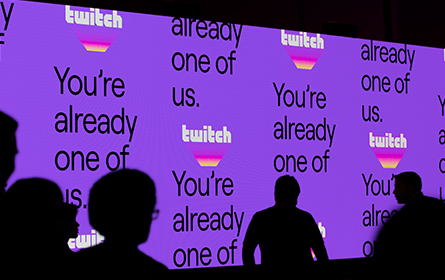
Everyone Needs Rest in the Middle of a Storm
The dilemma is not whether or not these companies should innovate and be part of Human Progress. The point is that they lied in their empathetic, exciting, moving commercials. They show us their support in this period when national health services are collapsing, but for example they are not paying taxes in our country, depriving us of the resources to feed Public Health. Advertisers should honestly represent their efforts, giving greater emphasis to the results achieved, rather than the bombastic and unattainable goals they give themselves. READ ALSO: Challenging IT. Does Technology Make Us More Alone?
Popular articles
 Fast Fashion VS. Conscious Consumerism April 14, 2020 Fast fashion has captivated consumers for over 20 years. The…
 Communication For Good. 2019 Italy Trends June 9, 2019 The research conducted by The Easy Way and EG Media…
 Why Has Responsible Consumption Not Exploded Yet,… January 15, 2020 Despite the positive intentions regarding the consumption of green, or…
 Gender Inequality Storytelling Through Photography… March 5, 2019 Stefano Stranges is a photographer from Turin who was born…
 NOW. Or The Time Of Opportunities March 2, 2020 I will not go into the discourse of opportunities from…
 different ways to view #toxicmasculinity January 18, 2019 A campaign to revitalize an ancient payoff Bad PR is…
 There’s no room for gender inequality at IKEA November 19, 2018 When we first hear of IKEA the main image that…
 Fast Fashion Greenwashing April 27, 2020 Eco-friendly. Organic. Natural. Green. These terms are often used to…
 7 Persuasive Strategies Branded Entertainment Uses… February 18, 2019 long term consumers audience clear goals transparency storytelling measurement expertise
 13 Solutions to Create Truthful Advertising and… October 22, 2019 It was estimated that advertising spending worldwide would surpass $560…
 How to Become a Brand Activist. October 10, 2019 Creating a movement through a brand is possible only when…
 IKEA Between Sustainability and Green Surveys January 8, 2020 IKEA continues its commitment to the defense of the weakest…
 Purposeful Communication: what is it? October 10, 2018 One of the most important key components of a brand’s…
 Culture Jamming or Brand Jam? Lacoste Animals’ Logos… October 1, 2019 Since the boom of textile production in France in the…
 Espresso Expressing CSR February 25, 2020 Coffee is the second most sought-after commodity in the world,…