IKEA continues its commitment to the defense of the weakest people after the communication campaign against gender inequality and domestic violence in 2018. In February 2019, the company launched a campaign against cyberbullying and in May one tackling discrimination towards the LGBTQ community. In June its commitment was awarded at Cannes with a Grand Prix, Health & Wellbeing, thanks to the product innovation made by Mccann Tel Aviv aimed at improving the social impact of IKEA by making it accessible to people with disabilities. The “ThisAbles” campaign was carried out with the cooperation of multiple NGOs specializing in the design of solutions for people with physical disabilities.
All the campaigns mentioned so far are so-called cause-related marketing campaigns, i.e. advertisements that support social causes, and that represent the values of the brand (and suggest how the brand wants to be viewed by its consumers).
There are not only social causes in brand communication of the Swedish giant: with the aim of aligning with the sustainable development goals of the 2030 Agenda, IKEA has developed with the group DDB Italia “Minds of Change,” a campaign that promotes Italian entrepreneurs who aim to improve the environment in response to the ecological emergency. With this in mind, IKEA has announced that from 2020 it will only distribute recycled plastic products made from renewable materials in its stores and that by 2030 it will reduce the impact of each product marketed by 70%.
We can read in a statement issued to mark the 30th anniversary in Italy, “IKEA is active in promoting responsible consumer styles and a stronger environmental awareness, as well as reflecting and taking a stand on controversial and debated issues of high social value, always tying itself to the theme of housing. It is no coincidence that IKEA has espoused a strategy called “People&Planet Positive,” whereby sustainability and social activism are reflected in projects and actions that allow more and more people to have a better, healthier and more future-oriented daily life planet.” “We look at the present and the future with optimism, thinking about how to continue to be close to the people and the challenges they are facing, in social and environmental terms, while remaining true to the idea of democratic design. IKEA, in fact, will continue to be at the forefront on these issues, because we are convinced that change comes even from small daily gestures and that design can help us to live better in our homes, in society and in the planet that is our common home,” states Assunta Enrile, Country Retail Manager and Country Sustainability Manager IKEA Italy
In recent years, IKEA has shown its attentiveness to ecology, investing in product innovation, in particular on one of the main raw materials of its furniture: wood. IKEA has been working since 2016 to ethically source 100% of its wood and is working with environmental associations (such as WWF) to develop a more sustainable market for wood and cotton.
Ecological policy is also applied to address the problem of pollution generated by toxic substances indoors, because it is at home where we are exposed to 95% of pollutants, according to a study by the National Association of Energy Protection Renewable. The Swedish giant says it does not use flame retardant chemicals normally used in furniture (to have a certain level of fire resistance) to benefit more sustainable solutions such as wool.
And it is with this perspective that in 2019, together with a team of engineers, designers, and universities in Europe and Asia, IKEA designed the curtains that purify the air: GUNRID, made from a fabric that “dissolves” the common air pollutants in the interior, like formaldehyde. This fabric consists of a mineral-based photocatalytic coating that is applied to the fabric. When activated by light, both internal and external, GUNRID breaks down common indoor air pollutants. The GUNRID air purification tent will be available in IKEA stores in 2020. It is one of the first IKEA products to tackle indoor air pollution, but probably not the last.
The Importance of Ethical Communication
While it is essential that corporations promote dialogue about important issues such as bullying, gender inequality, and homophobia, it is equally crucial that they do not use this as a means to alleviate attention from practices that are potentially harmful to citizens, also known as “attention deflection.” It is a current issue, at a time when many citizens are worried about their future, and companies are communicating their green and social commitment like never before.
Surely the campaigns carried out by IKEA around the world have the ability to make sustainability exciting, encourage users to move from intention to action because they are new, thoughtful, and inclusive; they challenge the status quo; they focus on the needs of others; and they condemn all forms of discrimination.
While the effort to innovate and communicate for greater environmental sustainability and maximize responsibility towards its consumers is great, the Swedish company risks a fine on tax avoidance: the European Commission, which has been investigating Inter IKEA Systems since 2017, will have to communicate its position on a 2016 report presented by the Green Party to the European Parliament. According to Reuters, the authorities would like to crack down on the tax agreements granted to Inter Ikea Systems by the Netherlands.
Inter IKEA Systems owns the intellectual property of the brand IKEA, and is part of Inter IKEA Holding based in Luxembourg, which belongs to a company in the Dutch Antilles.
Inter IKEA Systems commented via email to Reuters that “like all other companies that work under the IKEA brand, Inter IKEA Systems B.V. agrees to pay taxes in accordance with laws and regulations, wherever it operates. We believe that even in these cases we have paid the correct amount of taxes.”
In fact, as Forbes also points out, the practices that result from the corporate establishment of entities that hold the intellectual property of a brand is not unlawful and indeed allows the company to save money and customers to enjoy quality products at affordable prices. But the decision to create a complex corporate system, however legal, which, as Forbes says, allows the reduction of shelf prices, means also not contributing to the social welfare of the countries where they operate, a loss ranging from 35% less cashed in Belgium to 64% in France. The total “savings” would amount to a billion euros according to the Greens’ report.
Regardless of the Decision of the European Commission, Ikea’s commitment could be extended further to allow all stakeholders to discover the company’s “behind the scenes” actions.
Allowing the consumer to have all the information to help them make an informed purchase choice is an act of responsibility for any company that decides to embrace communication that does good. This way their support to any social issue can be judged as genuine or bolted on practice.
Since you’re here…
Our mission is to monitor Advertising to make certain that companies obey ethical standards of trustworthiness and transparency while communicating their commitment to addressing the great challenges of the New Millennium. From climate emergency to social inequality through all the issues included in the Sustainable Development Goals Agenda, we monitor the consistency of their statements, if they are ‘walking the talk’. With rising misinformation and commercial ownership, independent information is more and more rare. We think citizens deserve access to accurate analyses with integrity at their heart, so we can all make critical decisions about our lives, health and enviroment – based on fact, not fiction.
Our editorial independence means our content agenda is set only to voice our opinions, supported by in-depth research, free from any political and commercial bias, never influenced by interested owners or shareholders (which we don’t have). It means we can stand up to mainstream and give a voice to those less heard. We hope this will motivate you to make a contribution in support of our open, independent journalism. Every reader contribution, however big or small, is so valuable. Support BeIntelligent from as little as €5 – and it only takes a minute.Thank you.
I have been dealing with communication for 20 years, I have worked in marketing for large international and Italian companies and I know the mechanisms of advertising persuasion. I decided to invest my know-how and my skills to use the available resources of companies (budgets but also human capital) in positive transformation. Because to students from all over the world I teach at Purpose Brands in Catholic University I wish to give more and more examples of virtuous companies that have invested for the future, of everyone (and there are already many!). Because if we watch, without acting, without taking responsibility, we have no excuse. View all posts by elena grinta
Creating a movement through a brand is possible only when the people in the company, starting with the CEO, are involved in that cause.
I’d love to tell you the story of a well-known journalist who has become a successful entrepreneur with a great purpose. I’m talking about Henk Jan, CEO of Tony’s Chocolonely, who was awarded the title of Marketer of the Year in 2017. Not even Jan himself expected much success from a company born of a journalistic report. It all started in 2003 when, during a documentary for Dutch television, he discovered that most of the cocoa used by the big corporations was collected by exploiting child labor and investigating the main operating brands in the cocoa industry. He soon realized that he had touched one of the points industry pains. This is how the first slave-free chocolate campaign was born. 15,000 indignant consumers pre-ordered the chocolate bars, and the whole supply was sold in a day. After 10 years, the company had a turnover of €9.6 million, and in 2015 it opened its first international office in the United States. To ensure that the chocolate it was buying was slave free, the company entered into an agreement to directly buy cocoa beans from farmers by paying them a figure 25% higher than the average to combat child slavery. From 2017-2018, Tony’s Chocolonely recorded sales of around €55 million.
Here’s what business with purpose means : the founders started this adventure to meet the goal that the company still has today: freeing the chocolate sector from slavery.
The company’s motto is “Crazy about Chocolate, Serious about People.” To ensure that it follows through with the motto, Tony’s followed a road map in three steps:
Create awareness – since 2005, raise consumers and retailers’ aware of the existing inequalities in the cocoa sector
Lead by example – from 2012, try to show the other players of the industry that one can have commercial success without exploiting child labor
Inspire to act – today, finding fellow industry, political, NGO, and scientific partners to work together towards change
So here we are: a true brand activist, born to change the status quo. Jan never gave up his initial mission, which was the engine of his commercial success.
Not surprisingly, Tony’s is a B Corp [1], a company that voluntarily aims to achieve and maintain certain environmental and social performances and is committed to stakeholders rather than to shareholders.
For Tony’s Chocolonley, the road is a clear path, and the communication of the results achieved is effective, starting from their trustworthy [2] (several different agencies have verified the company’s claims) and funny sustainability report (yes, I really wrote funny), from which I quote just one of the many choices and results:
“We could have chosen the path of least resistance. We could have just said, ‘Our chocolate is 100% slave free, pinky promised.’ We could have started our own fully controlled farm. But we did none of the above. Why? Because of ab-so-lute-ly nothing would have changed for the 2.5 million exploited farmers and their families in Ghana and the Ivory Coast. Zip, zilch, nada.”[3]
No doubt arises, after reading the 69 pages of reports that Tony’s is “an impact organization that sells chocolate and is trying to change the chocolate industry from within.” [4]
Indeed, one wonders how the big players of the cocoa industry can ignore the appeal of this exceptional company to ‘copy’ their model: “We have not convinced any large company in the industry to copy our game rules. We note that interest is on the rise, but as of 1 October 2018 we have not yet seen any ‘white smoke’ [5].”
While progress may be slow in the cocoa industry toward equitable and human practices, Tony’s Chocolonely does not stand alone as a B Corp. Other companies––such as Divine Chocolate Ltd in October 2016, Doisy & Dam Limited in April 2017, ÓBOLO Chocolate SpA in April 2019, and Valrhona in January 2020––have also received the certification.
[1] a certification spread in 71 countries and 150 different sectors, issued to companies by B Lab , an international non-profit organization.
[2] Disclaimer: this is not fake news! We’ve thoroughly checked all the facts and all of them from reliable, independent sources. These include the Global Slavery Index, Tulane University, True Price and the Cocoa Barometer, which monitors the state of affairs in chocolate land every other year. And we’ve also asked PWC to assess the 12 non-financial key performance indicators. Want to know more about the facts? Give us a call or send us an email!
[3] https://tonyschocolonely.com/storage/configurations/tonyschocolonelycom.us/files/jaarfairslag/2017-2018/tonyjfs_201718_complete_eng.pdf
[4]The chocolate industry from the inside is an organization that sells chocolate and is trying to change.
[5] We have not yet persuaded large players in the industry to copy our rules of the game. We can see that there is no white smoke yet, there is a lack of any figures reviewed by PwC.
Since you’re here…
Our mission is to monitor Advertising to make certain that companies obey ethical standards of trustworthiness and transparency while communicating their commitment to addressing the great challenges of the New Millennium. From climate emergency to social inequality through all the issues included in the Sustainable Development Goals Agenda, we monitor the consistency of their statements, if they are ‘walking the talk’. With rising misinformation and commercial ownership, independent information is more and more rare. We think citizens deserve access to accurate analyses with integrity at their heart, so we can all make critical decisions about our lives, health and enviroment – based on fact, not fiction.
Our editorial independence means our content agenda is set only to voice our opinions, supported by in-depth research, free from any political and commercial bias, never influenced by interested owners or shareholders (which we don’t have). It means we can stand up to mainstream and give a voice to those less heard. We hope this will motivate you to make a contribution in support of our open, independent journalism. Every reader contribution, however big or small, is so valuable. Support BeIntelligent from as little as €5 – and it only takes a minute.Thank you.
I have been dealing with communication for 20 years, I have worked in marketing for large international and Italian companies and I know the mechanisms of advertising persuasion. I decided to invest my know-how and my skills to use the available resources of companies (budgets but also human capital) in positive transformation. Because to students from all over the world I teach at Purpose Brands in Catholic University I wish to give more and more examples of virtuous companies that have invested for the future, of everyone (and there are already many!). Because if we watch, without acting, without taking responsibility, we have no excuse. View all posts by elena grinta
13 Solutions to Create Truthful Advertising and Retain the Consumer
22 October 2019
It was estimated that advertising spending worldwide would surpass $560 billion in U.S. currency in 2019, representing a growth of roughly 4% compared with the previous year. The actual amount of money spent sits around $592 billion, exceeding the estimate by over $30 billion, according to Dentsu Aegis Network’s January 2020 Forecast, the actual figures exceeded the estimate.
“Purposeful communication” is from a 2017 marketing trend: that year almost half of the Cannes Lions Festival awards were handed out to purpose-driven campaigns as opposed to 29% in the previous four years (source: Dentsu Aegis). This trend was confirmed in 2018 (15 of 27). And 2019 was a BOOM: purpose was at the core in Talks and Works, often as an empty buzzword and sometimes as an actual driver of change.
For companies, communicating their values through ‘purposeful’ campaigns is a great opportunity but also a great challenge in a climate of distrust, where 6 out of 10 consumers do not believe in a brand until they have seen concrete proof that the company has kept its promises.
With the UN General Assembly (UNGA) focusing on the sustainable development goals (SDGs) for the first time since the launch of Agenda 2030 in 2015, sustainable development is at the core of many corporate declarations, including the financial sector. 130 international banks with assets of $47 billion have signed the Principles for Responsible Banking document, a Magna Carta to face social and environmental issues.
The road, however, could still be largely covered, according to research by environmental associations. The Rainforest Action Network has shown that 33 banking giants – starting with leading U.S. groups – have financed 1800 fossil fuel companies in the last year with $654 billion, a figure that is growing and equal to more than 2/3 of the total capital expenditure of the sector. Amazon Watch has denounced multimillion-dollar credits from some of the same banks’ signatories to the Principles, granted to agro-food giants that take advantage of the Amazon’s degradation.
According to Oxfam, “There is a real risk that for many companies the [SDGs] end up being not much more than another communication tool.” In other words, we should be aware that using issues for good in advertising doesn’t mean using issues to do good.
This is usually called “green washing” and can have two meanings, decoupling and attention deflection:
The first (decoupling) refers to the doubling that occurs to satisfy the needs of the stakeholders without actually creating organizational changes. The second sees the deviation of attention from nonappreciable performances in terms of sustainability through practices such as self-certifications and selective discrimination that highlight indicators with positive values about the environmental impact (Suddaby and Greenwood, 2005; Marquis and Toffel,2012).
The Importance of Disseminating Truthful and Consistent Information to Help Consumers Make Informed Choices
In September 2019, Ente Nazionale Idrocarburi, or the National Hydrocarbons Authority (ENI), joined four other energy companies––Total, Sinopec, SOCAR AQS, and Sakhalin Energy Investment Company Ltd.––in the Global Compact LEAD, an event within the UNGA led by the UN Global Compact, a voluntary initiative based on annual participant contributions up to $20,000.
ENI is a multinational Italian company specializing in oil and gas with its base in the Italian capital Rome. It operates in 79 countries worldwide and is ranked in the top 15 largest industrial organizations globally. The main focus areas of ENI’s work include refining/extraction, energy, chemicals, and nuclear power. ENI has adopted a purposeful communication strategy plan that highlights its “corporate philosophy focused on the passion for technological innovation and progress, combined with values and integrity, respect for people and environmental protection” (ENI website)
The Italian company sees its commitment to compliance with the principles of the United Nations for responsible business being rewarded, proving that ENI is working towards environmental protection, social justice, and renewable solutions. For example, in an article in Forbes, Annalisa Girardi writes about how ENI was the first company to develop biorefinery, high-quality biofuels, and green diesel fuel. The article highlights the impacts of ENI’s groundbreaking sustainability work, stating, “The positive environmental impact of the initiative is undeniable.”
Moreover, for 12 years running, ENI has been on the Dow Jones Sustainability World Index
However, ENI has faced public scrutiny as a result of supposed unethical business practices such as bribing, corruption, and coverups (as for the Nigerian case), in addition to their connection to environmentally dangerous techniques such as hydraulic fracturing or the September 2017 oil spill disaster that contaminated Val d’Agri.
Corporations, as well as some publishers, portray an ethical and sustainable image of work practices and company identity. However, conflicting news articles make it difficult to decipher the truth behind the real brand identity and purpose of the brand.
How can consumers make conscious purchasing decisions if some initiatives sponsor the company’s sustainability and other news and insights contradict it? This is the type of communication that is associated with the increase in skepticism.
Alan Jope (Chief Executive Officer at Unilever) during the last Cannes Lions Festival provoked the advertisement industry, saying:
“Please do not damage your industry by accepting briefs for brand which don’t walk the talk on purpose. If there is no substance in what the brand wants to say, including a brand from Unilever, walk away, refuse the brief. We want to work with creative teams that share our values and passions, that believe we can change the world. By contrast we don’t want to work with creative teams that have a track record of purpose washing and producing anthemic messages with no substance lying on what the brand does”.
A study from the Economist shows that 68% of executives report that companies are increasingly facing a backlash over inauthentic social initiatives and 83% of younger junior employees (below manager level) feel it is sometimes difficult to tell if a company cares about a social cause or is just trying to sell more products/services.
And one finding from a Harvard Business Review study, is that only 37% of executives believe the operations of their organization are aligned with their purpose.
In such a climate of distrust, internal and external communication should improve.
Purpose Washing to Make Consumers Cry and Buy Is No Longer an Opportunity but a Risk
That’s why Be Intelligent Magazine is promoting the Be Intelligent Manifesto. Commitments initially written with input from several professionals including Nicola Giuggioli, CEO of Eco-Age and Geo Ceccarelli CEO General Manager at Breakfastforcontent e Chief Creative Officier in Gruppo Roncaglia. It was then revised with inputs from independent intellectuals, students, and activists. Our hope is that advertisers from all over the world will read the Manifesto, sign it, and make awesome creative works with it!
We are seeking feedback and signatures from advertising professionals who commit to using their talent to support the movement, who commit to practicing their creative work more sustainably and to partner with other stakeholders to meet the 2030 agenda for sustainable development
The Manifesto subscribers will be announced on Jan, 2020.
Since you’re here…
Our mission is to monitor Advertising to make certain that companies obey ethical standards of trustworthiness and transparency while communicating their commitment to addressing the great challenges of the New Millennium. From climate emergency to social inequality through all the issues included in the Sustainable Development Goals Agenda, we monitor the consistency of their statements, if they are ‘walking the talk’. With rising misinformation and commercial ownership, independent information is more and more rare. We think citizens deserve access to accurate analyses with integrity at their heart, so we can all make critical decisions about our lives, health and enviroment – based on fact, not fiction.
Our editorial independence means our content agenda is set only to voice our opinions, supported by in-depth research, free from any political and commercial bias, never influenced by interested owners or shareholders (which we don’t have). It means we can stand up to mainstream and give a voice to those less heard. We hope this will motivate you to make a contribution in support of our open, independent journalism. Every reader contribution, however big or small, is so valuable. Support BeIntelligent from as little as €5 – and it only takes a minute.Thank you.
I have been dealing with communication for 20 years, I have worked in marketing for large international and Italian companies and I know the mechanisms of advertising persuasion. I decided to invest my know-how and my skills to use the available resources of companies (budgets but also human capital) in positive transformation. Because to students from all over the world I teach at Purpose Brands in Catholic University I wish to give more and more examples of virtuous companies that have invested for the future, of everyone (and there are already many!). Because if we watch, without acting, without taking responsibility, we have no excuse. View all posts by elena grinta
7 Persuasive Strategies Branded Entertainment Uses to Make People Buy
18 February 2019
To be more effective, brands are using different forms of persuasive communication, including the so-called “branded content and entertainment strategy,” which bypasses the different reactions a consumer may have when confronted
with the request to interact with a brand’s content. Here are some principles from some of the most talked about examples of this new form of communication:
1 . It’s a long term strategy
Branded entertainment is a strategy for building brand identity, so it is usually pursued in the medium to long term.
2. One clear goal: sell
The strategy is always in line with the needs of the company.
3. It turns audiences into consumers
Branded entertainment is a marketing tool for building the relationship between consumer and brand. Its active function is to strengthen or change consumer behavior.
4. Transparency?
The goal is to get consumers to willingly accept the presence of the brand in new spaces (TV programs, newspaper article, etc.), even if the role the brand plays in the content is not that clear (producer, creator, or sponsor?).
5. Storytelling
The brand defines the traits of its identity that will set the kind of relationship with the “hero” (in this case, the consumer) within the narrative. For this to work, the brand acquires a narrative function. Whether the
content is to inform or entertain, the brand “helper” tries to interest and empower the “hero” viewer/consumer.
6. Measurement
As it’s a campaign, the brand analyzes the effectiveness of branded entertainment by standard key performance indicators, such as brand trust, familiarity, consideration, and loyalty.
7. Expertise
Branded entertainment can be done internally (by in-house content units) and/or be driven by professionals (agencies or free-lancers, for example) who can create a content-driven strategy.
RELATED CONTENT: Creactivism | Advertisers Against Harmful ProductsInterested in the conversation? You are welcome to join our community!
Since you’re here…
Our mission is to monitor Advertising to make certain that companies obey ethical standards of trustworthiness and transparency while communicating their commitment to
addressing the great challenges of the New Millennium. From climate emergency to social inequality through all the issues included in the Sustainable Development Goals Agenda, we monitor the consistency
of their statements, if they are ‘walking the talk’. With rising misinformation and commercial ownership, independent information is more and more rare. We think citizens deserve access to accurate analyses
with integrity at their heart, so we can all make critical decisions about our lives, health and enviroment – based on fact, not fiction.
Our editorial independence means our content agenda is set only
to voice our opinions, supported by in-depth research, free from any political and commercial bias, never influenced by interested owners or shareholders (which we don’t have). It means we can stand up to
mainstream and give a voice to those less heard. We hope this will motivate you to make a contribution in support of our open, independent journalism. Every reader contribution, however big or small, is
so valuable. Support BeIntelligent from as little as €5 – and it only takes a minute.Thank you.
I have been dealing with communication for 20 years, I have worked in marketing for large international and Italian companies and I know the mechanisms of advertising persuasion. I decided to invest my know-how
and my skills to use the available resources of companies (budgets but also human capital) in positive transformation. Because to students from all over the world I teach at Purpose Brands in Catholic University
I wish to give more and more examples of virtuous companies that have invested for the future, of everyone (and there are already many!). Because if we watch, without acting, without taking responsibility, we
have no excuse. View all posts by elena grinta
A campaign to revitalize an ancient payoff
Bad PR is Still Good PR
Trying to define manhood
What if the true target was the female one?
Riding social causes is the new black.
Don’t sweep the dirt under the carpet
Does this ‘cause related’ campaign will turn into a suicide in the market?
different ways to view #toxicmasculinity
18 January 2019
With its much-talked-about ad, Gillette is attempting to take its highly distinctive slogan “The Best a Man Can Get” and revitalize it for a new era.
A Campaign to Revitalize an Ancient Payoff
Gilette’s new campaign thoughtfully and critically examines what “The Best a Man Can Get,” the brand’s iconic tagline, means today. It’s a must watch, according to Arianna Huffington Founder and CEO at Thrive Global.
It’s similar to what Nike did for its ‘Just Do It’ tagline when it came out with the award-winning Colin Kaepernick ‘Dream Crazy’ campaign“But the difference between Nike and Gillette is as glaring as that between night and day. Nike used the authenticity of Kaepernick, the pathos in his voice and the positivity of his message to inspire customers with an aspirational message that attracted them and then propelled them to purchase. Gillette’s ad feels like a tedious, politically correct public health video – the kind of film we were forced to watch in school about road safety before they invented the internet. Never mind making me hate Gillette, it makes me feel bad about pretty much everything.” Mark Ritson Marketing week [1].
The campaign is coupled with a donation pledge and a partnership with non-profits, starting with the Boys & Girls Club of America.
To be honest, while watching the video, you feel a little bit uneasy. You don’t know exactly what’s wrong with it, as the Blinkauthor Malcom Gladwell describes in his book.
If the brand purpose was sincere, it could build a support association, helping men who suffered from bullying and sexual harassment or creating a public school program to raise awareness on such problems (what they are probably doing). So, why did Gillette and its agency Grey opt to engage Kim Gehrig, one of a new generation of directors showcased by the Free the Bid campaign (which attempts to hire more female directors into advertising), who directed some of the most awarded campaigns in the last 3-4 years (John Lewis ‘Man on the Moon’, Sport’s England’s ‘This girl can’ just to name a few)?
“Instead of wasting millions producing this BS spot, Gillette should have just donated the money to the #MeToo movement.” Barbara Dickey, Owner & Chief Creative Officer, Cre8tivision LLC
Bad PR is Still Good PR
Yes, the video generated a lot of buzz and conversations.
Since the ad was posted on 14 January on Gillette’s YouTube channel, it has received more than two million views. But it’s also gained an over 80% downvote ratio with 500,000 dislikes. We can assume the concept of this campaign is to highlight the advent of a new “masculinity” banning any kind of toxicity (bullying, sexual assault, etc.).
This ad, instead of communicating the functionality of the product or highlighting its benefits over another product, is focused on evoking feelings about the brand, a brand that is a commodity in an increasingly boring industry (that’s oversaturated with too many competitors).
“In a commoditized industry, what becomes your competitive advantage may just be as simple as a making a social statement like this. To say they made a poor ad is really missing the point. On a more personal note, as a man with kids, I really liked the ad. And I liked the message. “The Best A Man Can Get.” Christopher Cope VP Sales & Marketing/Creative at Raleigh Enterprises
I looked at the polarized comments with interest. Well, if sparking the conversation was the goal, they’ve certainly already [2] achieved it! But while the video is going viral, the dialogue seems to be lost in translation on all sides.
There are articles (on Forbes and MarketingWeek, for example) that have underlined how the imagery and tone of the message (along with use of the phrase toxic masculinity) miss the mark. In truth, even if the intention was there, the execution fell short for many.
Some people found it sexist, condescending, and preachy to men. Others in general dislike politics and how others throw it around in seemingly extremist ways.
Yet some others think it represents the new “brand” of men.
Trying to define manhood
What does it mean to be a man nowadays? The ad suggests it is to stand boldly for what is right and protect others who are facing injustice, no matter what gender, color, or age. But isn’t this a golden rule for any human being, no matter their gender?
And shouldn’t responsible parents have already instilled most of these ideals in their sons?
“The implication from this ad is that, without self-awareness, men are automatically going to engage in “toxic masculinity” rather than assuming the majority of men are well adjusted, and that masculinity itself is not toxic. In contrast to the marketing campaign P&G used for women, which takes the opposite tack: you ARE even better than you think! You ARE good enough! Literally the opposite of what this ad is implying.” Roger Wemyss Cybersecurity Product Manager
“This was P&G’s attempt to replicate the (deserved) success of its Dove “Real Beauty” campaign, which also sought to affect social norms. The crucial difference is that campaign made the user feel better about herself. This does the opposite. Big mistake. “ Lisa Rothstein, Brand Storyteller, Communicate Better With Everyone | Brand Storyteller | New Yorker Cartoonist | Speaker | Copywriter | Visual Facilitator
“The strategy originally was probably on point; something around what an aspirational man looks like in 2019 as opposed to 1989. He doesn’t win at sports and fly planes, he is just a decent man and role model. Sadly, tactically this execution is dreadful. Conflates innocent male behavior with the very worst kind of almost criminal behavior. Focuses almost entirely on the negative, not the positive and leaves the viewer depressed.” Ian MacDonald Partner, VP Strategy & Media at CO-OP | Tech Investor
In 2019 you still find plenty of “men as idiots” ads that actually do tell men how to behave or make fun of abusive behaviors. Apparently nobody makes an uproar about those. And Gillette used to create a super-man ideal––“Its male image is masculine, confident and well groomed”[3]––in the last 30 years through influential sportsmen in the same “macho” context they now blame. After decades of Gillette feeding the same toxic masculinity they now condemn (Gillette promoted the new razor with a campaign in Italy starring Antoine Griezmann and Neymar Jr. no later than 6 months ago claiming: “No matter what the challenge, to do your best, you should constantly strive to improve yourself.”), the campaign puts a mirror in front of men and fuels the debate in the ‘human’ direction. What if, before awaking their consumers’ souls, they acknowledge the role they played in the past with a mea culpa?
“Sadly this is a company that embraced the toxins of mainstream masculinity to its fullest when it suited their advertising needs, and not only do I see no razors, I see almost no visual tip of the hat to the fact that their ads helped fuel this behavior in the past. If Larry keeps kicking me in the shins, I don’t want Larry to tell me, “We all need to take a good look at ourselves, and think about the damage we have done to people’s shins in the past!” I want Larry to admit he was a jerk and promise me he won’t kick me in the shins again.” Lyon Reese First Assistant Director.
They could take many different ways to get to the point: on Jul 11, 2018, Dollar Shave Club published on YouTube their inclusive campaign “Whoever you are, however you Get Ready … Welcome to the Club.”[4] A different way to welcome every kind of masculinity
On top of that, through the ad’s generalization, Gillette fell back on stereotypes. Although they are different from the generalizations against diversity, the ad is still contemptible because the principle itself still bundles all forms of masculinity together, be they toxic or not.
“The ad is amateurishly stereotypical and mostly offers a caricature of masculinity”. [5] Avi Dan, Forbes
The epic men (from Ulysses to trovadores ) used to be represented as full of dignity, honor, and respect, especially for women. Where has that gone? Men in pop culture (from advertising to video games) are rarely honorable anymore, rarely dignified, and everyone cries that “chivalry is dead.” Watch television today––what kind of masculinity is pictured? This holds true for the movie industry as well. During 1970s, Madison Avenue and Hollywood decided that sex sells––and women obliged. Now after more than 50 years, the industry is trying to turn that around.
“Enough is enough! We men are mad as hell, fed up to here, and are not going to take it anymore! I say we should boycott all personal grooming products (that includes you, Gillette), let our hair and beards grow long and shaggy, stop bathing and brushing our teeth, and start wearing furs and skins. We need to go back to being real men, the way our stone age male ancestors were before the invention of flint grooming tools turned us all into a bunch of soft sissified wimps ashamed of our toxic behavior (and odor). ” –Michael Coulas, Senior Software/System Engineer
🙂
Certainly the search for a new type of manhood is underway. Men have lost their reference points and struggle, even today, to find an ideal.
What If the True Target Was the Female One?
The campaign has the feminine touch of the director, who almost seems to use the film to free herself of a weight, a conscience too full of experiences (direct or indirect) that push her to shout, “Some are not enough!” (“Men need to hold other men accountable. To say the right thing. To act the right way. Some already are. But some is not enough”[3].)
“It’s rather sad that, as I watched the commercial, I found myself thinking, ‘This commercial and overall campaign must be the product of a woman’s mind. Men tend not to be so thoughtful and caring.’” John C. Leighton. former R&D executive in synthetic and natural polymers.
In so doing, Gehrig gathers, using her call of hope, the women who have already awakened their conscience (the quote from the initial #MeToo campaign is emblematic). That’s with results like this:
“Tomorrow morning I am going to start buying Gillette products for my husband and my son. I AM certainly your target demographic customer and a vocal brand advocate now. WELL done.” Jill Elliott, SPHR , SVP, People + Culture + Charitable Foundation R&R Partners
Riding Social Causes Is the New Black
Dentsu Aegis counted that in 2017, nearly 50% of the Cannes Lions awards were handed to purposeful campaigns (as opposed to 29% of the Grand Prix or Gold Lions in the previous four years). This trend was reinforced in 2018: Almost 60% (15 out of 27) of Cannes Grand Prix winners were assigned to purposeful campaigns. Trend-watching CEO David Mattin says consumers don’t want to make the world a better place, they want brands to do that for them. I know it’s not 100% true (some of them are ready to make a change), but it’s a big deal for corporations. And also a big challenge. That’s probably why purposeful campaigns have recently become an advertising trend.
“This is a moment here. The largest CPG company in the world just jumped into the camp of American Progressives with both feet. Bravo.” Pete Louison Creative Director at Oracle Data Cloud
“Amazing and brave leadership from Proctor and Gamble. Rather than demonizing men, I believe the ad highlights the enormous impact good men can have. Living in a country (Australia) where hundreds of women die every year at the hands of male partners / family members, where sexual assault and sexism is still a major problem, where young gay men go through absolute hell – anything that can encourage us all, and particularly men, to rethink behaviour has got to be a positive step. As a strong believer in business’ power to do good in this world, I’m wholly supportive of this campaign. ” Beth Worrall, National Skills Program Lead at Microsoft
And what if it were another brand that jumped on the purpose bandwagon? Is this something Gillette really believes in? Why is this brand thrusting itself into a movement? Is this a sincere message or an exploitative play? Does Gillette have the right to drive this conversation?
Don’t Sweep the Dirt Under the Carpet
There’s potential backlash for brands that don’t walk the talk. If brands create their own identity through purposeful campaigns, they actually expose themselves to the risk of being strongly criticized if there is a perceived values gap. As we all know brands are ultimately trying to sell more products. If they also monetize human values, it is a big ethical issue.
“You wanna talk about toxicity? Let’s do it, Gary! 1. Proctor & Gamble tests on animals, and has for decades. 2. Aluminum in your deodorants, + fluoride in your toothpastes and mouthwashes cross the BBB (blood brain barrier), causing the reduction of dendritic spines in the brain. This phenomenon is DIRECTLY linked to Alzheimers and other neurocognitive impairments plus a myriad of other neurological and physical ailments caused by heavy metal toxicity. You were saying?” Wes Dickinson, President at Lighthouse Group LLC
“You can’t be a purpose brand by accident – it has to pervade who you are, what you say and what you do.” Rob McPherson Former President – Bacardi Canada.
The brand was involved in another social campaign last year, Handle with care, which brought the public’s attention to the “grey generation” and started a new chapter of brand advertising, intended to redefine masculinity.
That campaign probably wasn’t strong enough, even though Grey decided to push on the accelerator and had possibly bitten off more than it could chew. I think brands that take purposeful communication seriously should start from their “why.” Once they find the real reason why they exist, they should “creact”: engage a critical process of reflection on the problems that afflict contemporaneity with an active approach to improve conditions on a daily basis through creativity.
Will This Cause-related Campaign Turn Into a Market Suicide?
Marketing success or failure is ultimately judged on whether the campaign moves the sales needle. Will P&G’s stock go up or down? Hard to answer: Nike’s stock went up after its campaign on social issues while Starbucks’ stock went down after claiming its mission is to “inspire and nurture the human spirit.”
“There is a special place in marketing hell for companies that not only waste their marketing budgets but actually invest that money into things that ultimately make their situation much worse. That’s going to be the cost of this foray into brand purpose for Gillette” (MarketingWeek).
Working in the advertising/media industry for the last 20 years has helped me to understand how companies could play a better role in society. For instance, they can use their efforts (investments, know-how, human capital, etc.) to do good. But as I am a marketing (and business) professional, I know that it would only work if they balance their good deeds with their financial performance.
At this stage we can certainly say Gillette did two things: 1. got people talking or texting about Gillette with intent and 2. started an important discussion about what makes a man masculine.
[1] https://www.marketingweek.com/2019/01/15/mark-ritson-gillette-ad-toxic-masculinity/
[2] Hard to understand all the turmoil around it? wonderful talk on masculinity at the Cannes Lions International Festival of Creativity last summer with Getty Images and Contagious. Sophia Epstein, this topic will continue to be relevant in 2019, I think Darien LaBeach • he.him.his would be a great moderator for a discussion like this, for the male point of view.
[3] Superbrands, 2004 “In essence, the Gillette Company celebrates world class products, world class brands and world class people. “
[4]https://youtu.be/QEU-MAZRhJs[5] https://www.forbes.com/sites/avidan/2019/01/16/for-men-gillette-is-no-longer-the-best-a-brand-can-get/#6dabe9875ea5
Since you’re here…
Our mission is to monitor Advertising to make certain that companies obey ethical standards of trustworthiness and transparency while communicating their commitment to addressing the great challenges of the New Millennium. From climate emergency to social inequality through all the issues included in the Sustainable Development Goals Agenda, we monitor the consistency of their statements, if they are ‘walking the talk’. With rising misinformation and commercial ownership, independent information is more and more rare. We think citizens deserve access to accurate analyses with integrity at their heart, so we can all make critical decisions about our lives, health and enviroment – based on fact, not fiction.
Our editorial independence means our content agenda is set only to voice our opinions, supported by in-depth research, free from any political and commercial bias, never influenced by interested owners or shareholders (which we don’t have). It means we can stand up to mainstream and give a voice to those less heard. We hope this will motivate you to make a contribution in support of our open, independent journalism. Every reader contribution, however big or small, is so valuable. Support BeIntelligent from as little as €5 – and it only takes a minute.Thank you.
I have been dealing with communication for 20 years, I have worked in marketing for large international and Italian companies and I know the mechanisms of advertising persuasion. I decided to invest my know-how and my skills to use the available resources of companies (budgets but also human capital) in positive transformation. Because to students from all over the world I teach at Purpose Brands in Catholic University I wish to give more and more examples of virtuous companies that have invested for the future, of everyone (and there are already many!). Because if we watch, without acting, without taking responsibility, we have no excuse. View all posts by elena grinta
I will not go into the discourse of opportunities from an economic point of view, I will not cite ‘ the black swan’ as a cornerstone of a way of thinking about contemporary society in times of crisis, but I will suggest to the reader a vision of the opportunity from a human point of view, in clear contrast with the concept of opportunism, which with opportunities, at least in my short article, shares only the roots.
I will use the approach of two visionary leaders, one is Simon Senek, author of ‘start with a why’, commendable ‘motivational speaker’ that has led the internal marketing industry to reflect on WHY (why your company exists, why a consumer should choose you, why an employee should choose to work for you …).
The other is my spiritual guide Lama Michel Rimpoché, a young Brazilian from a (very) wealthy family who left the comfortable world at the age of 12 to retire to a monastery in India and walk the Buddhist path. Today Lama Michel is a ‘web star’ or Influencer, with about 1.4 million followers on Soundcloud, 63,000 subscribers to his Youtube channel , 11,200 monthly listeners on Spotify, over 9,200 followers on Facebook, 1250 followers on Twitter.
What do these two leaders have in common? Both have an enviable ability to translate complex concepts with simple words, through examples and anecdotes. Both are transparent, honest, say what they think, believe in what they say.
I will start with a provocation, which Simon Senek puts in these terms : Tell me the day you fell in love with your wife. It is an impossible question. There is no precise moment, it is a consequential series of facts, small gestures, in the long run. Being a leader is the same thing, it is putting constant effort every day. When you start a workout in the gym, as soon as you finish you look in the mirror and you don’t see any difference from when you started. And the second day is the same. But it is not because there is no immediate result that is not taking effect. In the medium term you will gradually see your silhouette change. But you have to deeply believe in it , and stay true to your initial goal.
This is what we call consistency .
It is not a question of ‘intensity’ but of consistency of your actions, and solidity of your beliefs.
That’s what’s missing in leadership today: take an intensive 2-day, 12-hour-a-day course with international speakers explaining how you become a leader, and at the end of 2 days you’re a leader. Unfortunately it doesn’t work like that. Being a true leader means practicing every day, consistently. Put intention in every little gesture. Do, before getting done. Believe it, before making believe.
And that’s exactly what Master Lama Michel Rimpoché teaches. In this particular moment of our life, with an ongoing pandemic that has interrupted all daily habits and forced us to rethink our way of living, of working, of relating to others, we need to reorganize our time. And we are facing a great opportunity. But the opportunities are not necessarily taken, we often let them pass. The conditions of the present moment are given, we cannot determine them, we sin by hybris if we think we can shape reality, nature, the cosmos, to our liking (and we often commit this error of presumption). But the way we see and seize opportunities is a choice. Having time does not necessarily mean taking time. Often we complain about not having enough of it to be with those we love, to read a good book, to dedicate ourselves to our passions. A recurring phrase these days is “When it ends we will have to make up for lost time”: time is not lost and acquired, time is lived. Opportunities are lost. In a society where you run, run, run and you don’t know where you are going, when you are used to running, slowing down, stopping, seems difficult.
But the great opportunity that is given to us in this unexpected situation is to understand the fragility of life, to understand its preciousness.
And we come to the WHY of Simon Senek. Why do I run?
Let’s ask ourselves, what am I doing with my life?
If I could choose, what would I like to be, to become in this life?
The ongoing crisis is clearly highlighting the weaknesses of the System: from the a-human response of Christine Lagarde who, in the face of a human catastrophe, responds with the coldness of Homo Oeconomicus (because she has been programmed to think so), to the complaints to homeless who do not comply with the provisions of the #stayathome decree, who however have not been given an alternative, as the reception centers were closed during the day, up to the injustices for the working class, when workers are obliged to #goon, regardless of the necessity ( or non necessity) to keep the production on, and the freelancers who in a few days have seen many professional projects (on which large companies often rely) fade into nothing and who will receive a support of 500 eurosper month for three months (extendable), in addition to a suspension of taxes.
We have reached the height of Individualism: I have to get what I want, when I want as I want. We live as if we are independent of each other. We don’t care about the community, we don’t think that contributing to the common good means doing good to ourselves, since we are part of that ‘common good’
Now I don’t want to close this article without promoting an alternative, to suggest an ‘action plan’ not only to face the present, but to plan the future.
Let’s plan your new time, and try to think that this will be the new model to which you will adapt in the future.
I wake up : take time to think, work out your goals. It does not mean reviewing the business plan, or doing housekeeping accounts. It means remembering The Why.
This exercise also applies to companies: Why did I decide to introduce this new product on the market? Because they suggested it from the marketing department. Why? Because they interrogated a sample of prospects. What have they been asked for? If they preferred product A or product B. Did you ask them what is important to them? What are their expectations, their dreams, their worries? Have you asked them what your company can do for them?
I feed myself . Choose how and with whom to exchange energy, choose where to get the energy, who deserves yours. You can choose to buy one product instead of another. Now you have the time to read the labels, to find out about the companies that market what everyday forms your individuality and what you vote for every day through your wallet.
Companies can also do the same: Who is at the end of the supply chain that produces my goods? Can I make sure that no one suffers, no abuse is committed, the environment is not compromised? Life is so fragile, no man, no woman – who holds an important position in the company, or who is a ‘simple’ employee in administration – should have the responsibility for an interrupted life, or an environmental disaster.
I enjoy Exercise (you can walk in the park, as long as you don’t create groups), read a fiction book, share optimism with your loved ones. Be careful of the voracity of information. And don’t ‘waste’ your time watching TV. It will not be the ‘opium of the people’ that will make this period less difficult. I see, with concern, the increase in commercial offers that push to ‘flood’ the mind with distracting contents. To occupy time. ‘
When we let time pass, we occupy time, it is wasted, it loses value.
Let’s bring the mind to focus on the present time (it is called mindfluness ). In this way time becomes precious, it takes value.
Companies can also practice this thinking about the present differently. Not concentrating all the investments in a short-term tactic, using their communication budgets to pass some marketing operations as highly supportive, when in reality it is pure looting. I have seen companies promoting the buy 2 pay one – but only for new customers (creating an opportunity for new business for themselves, and not an opportunity for the companies affected by the crisis), passing off for free services that were already on offer before the pandemic , use institutional platforms to launch services already provided for companies and citizens, in no way created to meet current needs.
Life is like a bubble at the bottom of the river, ready to burst at any moment (words of Master Lama Tsonkkapa ). We cannot continue to live our life in a disconnected driven consciousness.
Putting this Action Plan into practice will be a sacrifice and will not be pleasant in the beginning. But it will bring medium and long term benefits. And I’m not the one who’s saying this. I am only the message-bearer. I have been following for some time, with enormous effort, but with great satisfaction.
This is perhaps the meaning of New Humanism.
Since you’re here…
Our mission is to monitor Advertising to make certain that companies obey ethical standards of trustworthiness and transparency while communicating their commitment to addressing the great challenges of the New Millennium. From climate emergency to social inequality through all the issues included in the Sustainable Development Goals Agenda, we monitor the consistency of their statements, if they are ‘walking the talk’. With rising misinformation and commercial ownership, independent information is more and more rare. We think citizens deserve access to accurate analyses with integrity at their heart, so we can all make critical decisions about our lives, health and enviroment – based on fact, not fiction.
Our editorial independence means our content agenda is set only to voice our opinions, supported by in-depth research, free from any political and commercial bias, never influenced by interested owners or shareholders (which we don’t have). It means we can stand up to mainstream and give a voice to those less heard. We hope this will motivate you to make a contribution in support of our open, independent journalism. Every reader contribution, however big or small, is so valuable. Support BeIntelligent from as little as €5 – and it only takes a minute.Thank you.
I have been dealing with communication for 20 years, I have worked in marketing for large international and Italian companies and I know the mechanisms of advertising persuasion. I decided to invest my know-how and my skills to use the available resources of companies (budgets but also human capital) in positive transformation. Because to students from all over the world I teach at Purpose Brands in Catholic University I wish to give more and more examples of virtuous companies that have invested for the future, of everyone (and there are already many!). Because if we watch, without acting, without taking responsibility, we have no excuse. View all posts by elena grinta
Gender Inequality Storytelling Through Photography and the Role of Brands
05 March 2019
Stefano Stranges is a photographer from Turin who was born in 1978. In 2012, he attended the master class of the Magnum agency focused on reportage photography with particular interest in social projects.
In one of his
exhibitions called “Le bambine salvate,” Stranges was able to help raise awareness of the gender inequality problem in India by showing the lives of Indian girls. Some of the problems he shed light on included violence
against women, forced marriages, rape, and general discrimination. Stranges has visited the villages where most of them come from and portrayed intimate, dramatic, and unexpectedly joyful moments.
“My projects and my work start with the social and sociological approach and are determined by the empathy between my subject and me.”
His photos are not posed. On the contrary, he portrays the typical day of an Indian girl at her house. In all of them you see young teenagers taking care of two or three children in their homes while their husbands are not
around. They all share the same dream: to become successful independent working women.
If a fourth child is a female, a popular superstition regards it as a sign of misfortune: Indhumati, born after a male and two females, would have been sacrificed if Terre des Hommes had not intervened. She today is 19 years
old and studies computer science. She wants to become a teacher and devote herself to the children of less well-off families. She is very proud of her personal story. “The infamy of killing little girls must never be repeated,”
she says.
Karthiga, an 18-year-old girl and child of four, had another destiny: she got married with the boy next door and for this she had to interrupt her studies. Her day is divided between the child, the domestic tasks, and the calf
to be cared for, all under the supervision of her mother-in-law.
Harini, last of three sisters, lives with her parents in two rooms without windows built on the back of her father’s barber shop. Her passion for the studio transformed the house walls into sheets for notes. She studied civil
engineering and dreamed of becoming governor of the Salem District. “God blessed us when he changed our mind and did not allow us to kill her as soon as she was born,” says her mother, who works for Terre des Hommes today.
This dream for an Indian girl is very challenging to obtain; and for Stranges, it was not an easy task to describe.
Two of my students from Università Cattolica had the opportunity to see “Le bambine salvate” exhibition on the field trip study during my course. One is from Germany, the other from Ecuador: two completely different countries
and realities. Coming from diverse backgrounds made them perceive the exhibition in different ways and awakened different feelings.
Constanze (German) said, “For me it was sad to see how gender inequality is still so strong and inclement in some corners of the world that it can even get to the point to kill little girls just to avoid paying for their education and life. However, when I saw the picture of the founder and director of Terre des Hommes Core, I felt a glimpse of hope for the Indian women. I knew that just the fact that one organization was already stepping up for women and their cause is already a good sign and way of getting to a better world. Coming from Germany where there are many independent and successful working women, it is really shocking to see these. I remember I was walking one day into a kindergarten to pick up one of my nieces and was surprised of the important number of fathers picking up the kids. I thought I was going to see more mothers, but this was not the case. I think people from India deserve to achieve this equity standard that Germany enjoys nowadays. In Germany women and men are almost equal. There are a lot of women who are responsible for their own works, families, and houses, just as men in India.”
Isabel replied “For me, coming from Ecuador, the images of Stranges were realities I see everyday when walking around my city. The exhibition reminded me of the town where I go to the beach. Once, on a Saturday morning, I went to a bakery and there were only women working in the neighborhood. I found this weird and then I heard they were all complaining about how lazy their husbands were. I think gender inequality in Ecuador is different than in India, but it is still present. In this small-town, men take advantage of women in every way. They go out to party and get very drunk. As a consequence the following day they cannot work, and their wives must take care of their houses, children, the mess from last night, and even their work responsibilities. They think they are the rulers and because of this their wives must do all they asked them to. This is very wrong, because responsibilities should be divided equally. It should be as in Germany, where both women and men work, clean, and pick up children from school. A place where men also do laundry and go grocery shopping.”
After discussing our different points of views, students mentioned the United Colors of Benetton campaign called #Unitedbyhalf that is committed to fighting gender inequality around the world,
especially in Indian. It is a gender equality campaign that shows the many capabilities of Indian women and how they are the other half of the country. This means that not only the half of the country made up by men is
able to achieve wonderful things, but women, the other half, are also capable of achieving highly.
They also mentioned Ariel’s#sharetheload campaign about men sharing the laundry load with women. These two big brands are notable examples of gender equality promotions. Also, they
incentive oppressed women to fight for themselves and their rights and give hope of a better and more equal world.
While listening to their discussion, I thought both Ariel and Benetton are examples of ‘Purposewashing.’ I do prefer brands like Patagonia against Benetton because of its purpose (and I’m not alone), which
is not just a matter of cause related marketing: Patagonia really does believe in what it does, because the company was born with it in its DNA. But at the same time I think we need to distinguish marketing/communication
strategies and business strategies/processes.
I have then shared with all my students this question: Considering communication as a persuasive tool, what should brands do? Should they try more efficient ways to sell their products (even with AI, etc.) or could they also
create debate on social issues (eg. Dove, Ariel, etc.)? In other words, should brands create more meaningful ads (like Persil “Free the Kids”) even while they still have horrible impacts on the environment (with plastic
waste, water consumption, etc.)?
Exhibition 2nd-8th March 2019| Fabbrica del Vapore
Since you’re here…
Our mission is to monitor Advertising to make certain that companies obey ethical standards of trustworthiness and transparency while communicating their commitment to addressing
the great challenges of the New Millennium. From climate emergency to social inequality through all the issues included in the Sustainable Development Goals Agenda, we monitor the consistency of their statements,
if they are ‘walking the talk’. With rising misinformation and commercial ownership, independent information is more and more rare. We think citizens deserve access to accurate analyses with integrity at their
heart, so we can all make critical decisions about our lives, health and enviroment – based on fact, not fiction.
Our editorial independence means our content agenda is set only to voice our opinions, supported
by in-depth research, free from any political and commercial bias, never influenced by interested owners or shareholders (which we don’t have). It means we can stand up to mainstream and give a voice to those
less heard. We hope this will motivate you to make a contribution in support of our open, independent journalism. Every reader contribution, however big or small, is so valuable. Support BeIntelligent from as little as €5 – and it only takes a minute.Thank you.
I have been dealing with communication for 20 years, I have worked in marketing for large international and Italian companies and I know the mechanisms of advertising persuasion. I decided to invest my know-how and
my skills to use the available resources of companies (budgets but also human capital) in positive transformation. Because to students from all over the world I teach at Purpose Brands in Catholic University I wish
to give more and more examples of virtuous companies that have invested for the future, of everyone (and there are already many!). Because if we watch, without acting, without taking responsibility, we have no excuse.
View all posts by elena grinta
Why Has Responsible Consumption Not Exploded Yet, Despite Positive Customer Intentions?
15 January 2020
Despite the positive intentions regarding the consumption of green, or sustainable, goods, there is a gap between intention and purchasing behavior. According to Nielsen research, western consumers in 2018 spent $128 billion on sustainable consumer goods ($125 billion in 2017) with 20% growth since 2014. Nielsen predicts that by 2021 this figure will reach $150 billion. One in two consumers in the United States say they are ready to change their consumer habits to reduce their impact on the environment; in particular, millennials are much more likely to be ready than baby boomers (75% against 34%). 80% of millennials say they are willing to pay more for products that declare their social responsibility and 90% are willing to pay more for those products that serve ingredients that are environmentally friendly.
Despite the encouraging data, products that can be considered sustainable today represent 22% of total sales (an increase of only 3 percentage points compared to 2014). Many authors––Bray et al. (2011), Gleim et al. (2013), Carrington et al. (2014)––identified the reasons why green consumption has not yet taken off: the lack of references, the difficulty of supply, the high price, and the lower quality. A recent research by the University of Wellington in New Zealand (ME, MYSELF, AND I) tried to explain this phenomenon by working on the idea that the consumers have of themselves. Individual identity has been considered a major factor in purchasing decisions since 1967 (Grubb & Grathwohl, 1967).
Unfortunately, often the sustainable good (intended to have a low environmental impact by being biodegradable, being recycled, having been created with low energy expenditure, or having low impact packaging, to name a few examples) brings with it two negative stereotypes: a premium price and a lower quality (Kaufman 2014). Starting from the hypothesis that consumers can be divided into two main categories, depending on their self-perception, the researchers hypothesized that individuals who have the ability to build an identity regardless of the social context and the judgment of others tend to prioritize individual benefits, therefore preferring cheaper and more effective products (i.e. unsustainable ones); on the contrary, individuals who consider themselves as part of a larger organism (society) are more inclined to buy products that can create a positive impact on society itself. After conducting the research, the results confirmed that the consumers who build their identity primarily in relationships and in harmony with others are led to buy socially responsible products. On the other hand, scientists have discovered that, contrary to the hypothesis, individuals who have a strong identity and self-awareness independent from others will not necessarily have an “antisocial” behavior: the important thing is that this choice is not to the detriment of the individual. Another recent study that uses the “cognitive mapping” approach has tried to examine what the barriers were that prevented a green awareness from transforming into a green behavior. Research conducted in Italy has shown that there are two main barriers to purchasing green products: the scarcity and therefore the difficulty of finding products in traditional supermarkets (and even if the products were available at the Supermarket, the difficulty of finding them on the shelves) and the absence of media communication that should educate about the characteristics of the product and its environmental impact. If the lower quality does not seem to be a real barrier to purchase (a perceived fake), the question of the higher price instead is correlated to time expenditure (difficulty in finding the product in the usual supermarket or in finding an alternative supermarket). The question relating to premium price in fact seems to be a pointless question because high-spending consumers (those capable of purchasing premium price products) are attracted to traditional brands which, thanks to their communication efforts, have established a lasting relationship with them; vice versa, consumers who are more price sensitive tend to buy non-branded and promotional products, regardless of the lower quality. The paradox is therefore that high-spending consumers do not give green products a surplus of value and rather consider them less appealing. The hypothesis that the lack of communication and the difficulty of finding the product in the store are the determining factors in the absence of a green market is supported by the behavior of consumers who, after having overcome the information and recognition barrier, have repeated the purchase of a sustainable product.
So, what solutions exist?
Ultimately, the communication that some large companies are adopting consists of purpose-driven campaigns explaining the company’s position towards society and the environment. According to Dentsu Aegis, issues such as eco-sustainability, diversity, health, social assistance, and gender equality were addressed in 80% of the campaigns that received an award between 2013 and 2017 at the Cannes Lions Creativity Festival. This growing investment in purpose-driven campaigns has been investigated here.
What emerges in the relationship between the company and the consumer is the search for mutual benefit: the brand that spreads a message of responsibility becomes an “ambassador” of a social or environmental cause by creating a link with the potential customer who, by choosing it, responds to their own need to be responsible. Being a “change-maker,” however, involves a major risk: awareness of this need (acting responsibly) is asymmetrical to awareness of the act itself (choosing a product because the company endorses a cause). Where there is emotional reactivity, things happen automatically without the consumer being aware of it, and this is a “compulsive” behavior, not a free one. It would be more appropriate to create awareness of what the consumer is buying (the product or service) by laying all the cards on the table: “When the consumer knows or recognizes the mechanisms that the company is applying, he recognizes the effect they have on himself and decides whether to join/buy or not” [2].
The revolutionary idea of a purpose-driven communication could be “giving a wider, less reactive decision-making space, where the perception of control is greater” [3].
The Importance of Label Literacy
A survey among millennials showed that only 30% of respondents read the label with the nutritional information of the products they purchase.
Click here to receive a copy of the report of the millennials survey on brands & the sustainable development goals.
Yet the label plays a fundamental role because it explicitly states everything that is being offered to the consumer to ensure that he has the same information regarding the product as the producer [4].If, on the one hand, a label’s deceitful indications are more frequently sanctioned, they will diminish; on the other hand, misleading messages negatively affects the consumer’s ability to make informed purchasing choices. For example, the term “natural” is expressed often in green color on many labels to elicit an emotional impact in the consumer. This is sometimes done by emphasizing the absence of certain “environmentally harmful” ingredients, such as palm oil, which in recent years has been demonized as entirely harmful despite little distinction between its impacts on consumer health compared to other vegetable fats and its impacts on the environment [6].
Also consider the proliferation of certification marks relating to environmental, economic, and social sustainability within marketing. These certifications are sometimes contested as misleading for the consumer, as in the case of the “Dolphin Safe” certification, which is at the center of a dispute between Mexico and the U.S.A. that was submitted to the Dispute Settlement Body of the World Trade Organization [6].
In short, adopting a “purpose-driven” communication mainly implies that the entire company is guided by this purpose. All parts of the company live it and share its essence.
“It could be argued that raising awareness of a specific cause is sufficient reason to justify the new role (megaphone) played by companies, and assume that the call to strive for a more just and sustainable world will automatically have long-term positive effects. […] However, we would like to argue that people are too intelligent to endorse this hypothesis, and will identify these campaigns as greenwashing, if companies do not demonstrate that they can / want to actually improve society, even in the short term” (Dentsu Aegis, Sustainability Report, 2017).
Yes, people are too intelligent to believe only in promises rather than to verify the facts.
RELATED CONTENT: 8 Out 10 Of Consumers Expect That CEOs Share Their Own Vision
Photo: VIVIAN MAIER August 1975
Interested in the conversation? Join our community!
Sources:
[1]Costa Pinto, Herter, Rossi, & Borges, 2014
[2] Interview with Stefano Serafinelli Clinical Psycologist
[3] ibidem
[4] https://www.redalyc.org/jatsRepo/783/78355381004/html/index.html
[5] Ibidem
[6] (WT / DS381 / RW / USA – WT / DS381 / RW / 2) ibidem
Since you’re here…
Our mission is to monitor Advertising to make certain that companies obey ethical standards of trustworthiness and transparency while communicating their commitment to addressing the great challenges of the New Millennium. From climate emergency to social inequality through all the issues included in the Sustainable Development Goals Agenda, we monitor the consistency of their statements, if they are ‘walking the talk’. With rising misinformation and commercial ownership, independent information is more and more rare. We think citizens deserve access to accurate analyses with integrity at their heart, so we can all make critical decisions about our lives, health and enviroment – based on fact, not fiction.
Our editorial independence means our content agenda is set only to voice our opinions, supported by in-depth research, free from any political and commercial bias, never influenced by interested owners or shareholders (which we don’t have). It means we can stand up to mainstream and give a voice to those less heard. We hope this will motivate you to make a contribution in support of our open, independent journalism. Every reader contribution, however big or small, is so valuable. Support BeIntelligent from as little as €5 – and it only takes a minute.Thank you.
I have been dealing with communication for 20 years, I have worked in marketing for large international and Italian companies and I know the mechanisms of advertising persuasion. I decided to invest my know-how and my skills to use the available resources of companies (budgets but also human capital) in positive transformation. Because to students from all over the world I teach at Purpose Brands in Catholic University I wish to give more and more examples of virtuous companies that have invested for the future, of everyone (and there are already many!). Because if we watch, without acting, without taking responsibility, we have no excuse. View all posts by elena grinta
The research conducted by The Easy Way and EG Media shows a growth in the frequency of issues related to environmental sustainability in the last year and an increase in the number of companies that refer to these issues .
For the research a random sample of creativity spread over the media of the first four-month period 2019 was selected, from which key words were drawn that indicated a direct and indirect association with the broad telematics of sustainability, borrowed from the literature generated by the UN Agenda 2030 and related sustainable development goals. At the same time, a web study has allowed us to draw up a list of keywords related to the word sustainability so as to classify it based on the number of searches made by users in a given sequence. A highly articulated semantic framework emerged within which one of the prevailing issues or concepts is environmental sustainability. For this reason, EG Media and The Easy Way have dedicated the first monitoring report ‘Communication that is good for the environment’.
In detail, 219 creatives faced environmental sustainability issues in the first quarter of 2019, up 33% on the same period of the previous year. In particular, 9 the most used words: environment, ecology, pollution, plastic, ocean, planet, recycling and recyclability, waste waste, sustainability. If we compare our set of keywords relating to environmental sustainability with some image words – unequivocally different from sustainability – that have always characterized advertising communication as Love, Expense, Family, Speed, it emerges that in the first four months of 2019 we talk a lot about environmental sustainability (265 total occurrences on the keywords set) and love (267 occurrences in the same period) or speed (244)and a little less compared to Family (301) or Spesa (349 occurrences).
In particular, the increase in the frequency of the word environment (+ 31% compared to 2018) is relevant, confirming itself as the second most used in environmental creativity. Also important is the increase in some key terms such as plastic + 73%, recycling + 66% and planet + 80%, which specify the initiatives taken by companies to reduce their environmental impact, or with which topics the brands wish to be associated . Equally surprising is the decadence of a term that has always characterized the Green approach in Italy: ecology -33%.
The word specific sustainabilityis used in 2019 approximately the same number of times compared to the previous year, with an increase of 11%, decreeing 2018 as the year of the sustainable boom, where in 2017 the occurrences detected for the keyword sustainability were only 32. So if the sign sustainability has maintained a certain constant distribution over the last 12 months, but it is true that its semantic content has been articulated through different seeds determining a lower intension. In other words, given the wide extension of the sign ‘sustainability’, which is enriched over time by a wide range of indicated objects (sustainable planet, sustainable fishing, sustainable agriculture etc.), the ‘intension’ is diminishing in an inversely proportional manner of the seed ‘sustainability’ therefore, to attest its semantics,
In the first four-month period 2018, there were 85 brands that talked about sustainability in various ways, while in the same period the number grew by 34% to 219, involving an increasingly important number of product categories. In particular, the sectors that have shown the greatest interest in communication regarding environmental sustainability are the energy sector + 48% the food supply plus 41% and the large-scale distribution + 13%.
From the cross-analysis on TV and the press, it emerges that in 2019 sustainability as a macro-theme has generated 206 releases for 65 creatives with 72 occurrences on the press : the press is thus, between the two, the medium on which the theme is proposed more variegated . Television instead is the most reiterative medium with a total of 2307 passages in 4 months for 22 creatives and 24 occurrences. In practice, Italians have heard about sustainability on TV more often, but with less variety than has happened in the press
The report analyzes which communication styles adopt advertising messages related to environmental sustainability: According to the archetypal branding model, the communication strategies adopted by companies differ in relation to the archetype that the brand wishes to embody. In the corpus of creativity analyzed in the monitoring we found the presence of 6 archetypal figures adopted: the wise, the innocent, the guardian angel, the magician, the explorer, the sovereign.
Ultimately, the monitoring confirmed that the communication of environmental sustainability is a strongly expanding trend and that some companies define a model to follow for other market players. The direct consequence is that there is a great responsibility on the part of the companies that have decided to embrace the cause of environmental sustainability: most of the messages have as a ‘mission’ to induce people to reflect on the effect of their consumption practices on the environment. For companies, the strategic goal of this approach is to create a strong community of loyal consumers who value the brand’s products, but above all its values.
Transparency is the key to success for communication that has a precise environmental purpose. Reaching the right audience with the right message is the goal of every company and, even if it’s not always easy, being honest with consumers is the first step to get there.
Since today it is really difficult for consumers to trust the brands that embrace “causes” without having demonstrated that they “truly believe” in what they say, helping the consumer to acquire accurate and truthful information on sustainable actions and social commitments that companies tell in their advertising becomes a priority.
The complete analysis and other topics are present in the Full Report ‘The communication that does Good. To the Environment ‘
Thank you for your e-mail subscriptions.
You will receive a registration confirmation email, then you would be able to download other 2 document for free
you will also receive a weekly newsletter with in-depth business analysis and communication strategy.
Thanks to the enormous marketing efforts put in place, the technology sector is desperately trying to create unconditional trust in consumers, and in times like this, under the siege of COVID-19, everything we do is exclusivelyonline. However we should never forget the impact that this industry has on our Lives, those of any Human on Earth, and on our Planet.
Is Our Technology Green?
Overall, the Internet’s carbon emissions are estimated to be equal to those of the aviation industry, which emits around 1 billion tons of greenhouse gases per year. If Internet was a country it would be the sixth largest polluter in the world. Companies are aware of their environmental impact. In 2017, Netflix promised to use as little electricity as possible, use renewable energy for owned structures, and encourage renewable energies or compensate for non-renewable energy for uncontrolled facilities. Have they kept their promise? In 2019 their energy consumption increased by 84%.
Energy consumption is not the only
problem. The average smartphone can contain over 60 different types of
metals, extracted in various
corners of the world, as well as plastics and ceramics that become waste to
be disposed of with each new mobile phone purchased. The world currently
accumulates electronic waste at a rate of 50 million tons every year. Phone manufacturers, including Apple
and Samsung, are guilty of programmed obsolescence; the practice involves
designing a product that will become dated or useless within a given time
frame, typically two years. Such behavior has been condemned all over the world,
the latest being Apple, hit
with $27 million fine for slowing down French iPhones
The damage is not only against consumers
(and their wallets) it is also against the environment: utilizing all existing devices
one additional year would be equivalent to removing
2 million cars from the streets.
The problem is so serious that the European Commission will introduce new laws to guarantee that new products
placed on the EU market are repairable, recyclable, and designed to last longer
than our current devices.
Do technology companies protect their workers along the entire supply chain?
Foxconn, in the limelight in newspapers for having converted their production line to make surgical masks, is the largest supplier of electronic components. Partners of Foxconn include many of the world’s largest IT brands, such as Apple, Microsoft, Amazon, Google, HP, Dell, and Huawei. The Taiwanese contractor employs 900,000 people worldwide, about half of whom are in Shenzhen, China (known as Foxconn City). The company has been the subject of numerous workers’ rights scandals over frequent abuse of apprenticeship contracts, and suicides in its factories.
Cases of abuse are frequent among
technology manufacturers. Samsung has been involved in a death scandal due to the use of dangerous
chemicals that caused cancer to young people under 30 in South Korea. Amazon is known for the inhuman working
conditions faced by employees. The RDR 2019 index classifies some tech
companies based on 35 indicators in three categories assessing their impact on
freedom of expression and privacy. Apple and Samsung rate below average.
Microsoft,
which leads the RDR ranking, however, allows its suppliers to exploit
workers in “996” mode, employing them from 9 a.m. to 9 p.m.,
6 days a week. The law in China limits weekly working hours to forty, although
Microsoft workers work seventy-two hours, almost double.
Is technology shaping our mind?
Like alcohol, drugs, or gambling, studies have shown that using online messaging, playing video games, or binge-watching steaming services, stimulates the dopamine cycle telling us that we have done something good and we should repeat it. In 2019, Jeffrey D. Sachs, director at Columbia University, identified American society as a “mass-addiction society”. The “epidemic” results in about half of the American population suffering from an addiction, including screen addiction. Technology addiction is a serious health problem in several Asian countries, including China and South Korea. Teenagers and children are a sensitive target yet parents use online technology to entertain and educate their little ones (remember the previously mentioned Mashable video made for Amazon?).
I
could list in detail other forms of interpolation in our lives by technology; starting
from the abuse of privacy, censorship and the spread of fake
news. Or the situation of alleged monopoly that impact the freedom of
choice and prices of goods, requiring more stringent regulation. Moreover, I could claim tax evasion and havens, which take away huge resources from
the countries where they operate. I will limit myself to saying that perhaps
technology is not as human as the industry would have us believe.
The dilemma is not whether these companies should or should not use more of renewable energy. The point is that they lied. They claimed to reduce their carbon emissions and did not. They claimed to be alongside the workers and did not follow through on their promises.
Is there a solution?
The consumer is attracted by the sparkle
of new technological products. But let’s just consider them as such, mirrors
for larks. Telephones and many technological devices, in general, can be
repaired not replaced. If we overcome the obstacle of self-representation to
which advertising would like to force us, we would discover that with small
figures, everything can be as good as new. Repair cafes are spreading globally. Patagonia
has made it a service to repair its products. Other
brands could take it an example.
If you have to purchase a new phone, finding a greener alternative instead of advertised devices is possible. Fairphone is considered more ecological than the Apple iPhone.
And as in all things, the problem is not
use, but abuse. Parents, teenagers, institutions should be digitally literate.
Today there is still unconsciousness. Technology companies take advantage of
consumers. It’s
time brands stop pretending to be the world-saving super heroes but instead put
people in charge of their own lives and the change that need to happen. (Thomas
Kolster, BeIntelligent, April 2020 )
In general, the best advice for us consumers is to get involved and do research. And remember to always check the credibility of an advertisement.
READ ALSO: The Technological Push Does Technology makes us more alone?
Since you’re here…
Our mission is to monitor Advertising to make certain that companies obey ethical standards of trustworthiness and transparency while communicating their commitment to addressing the great challenges of the New Millennium. From climate emergency to social inequality through all the issues included in the Sustainable Development Goals Agenda, we monitor the consistency of their statements, if they are ‘walking the talk’. With rising misinformation and commercial ownership, independent information is more and more rare. We think citizens deserve access to accurate analyses with integrity at their heart, so we can all make critical decisions about our lives, health and enviroment – based on fact, not fiction.
Our editorial independence means our content agenda is set only to voice our opinions, supported by in-depth research, free from any political and commercial bias, never influenced by interested owners or shareholders (which we don’t have). It means we can stand up to mainstream and give a voice to those less heard. We hope this will motivate you to make a contribution in support of our open, independent journalism. Every reader contribution, however big or small, is so valuable. Support BeIntelligent from as little as €5 – and it only takes a minute.Thank you.
I have been dealing with communication for 20 years, I have worked in marketing for large international and Italian companies and I know the mechanisms of advertising persuasion. I decided to invest my know-how and my skills to use the available resources of companies (budgets but also human capital) in positive transformation. Because to students from all over the world I teach at Purpose Brands in Catholic University I wish to give more and more examples of virtuous companies that have invested for the future, of everyone (and there are already many!). Because if we watch, without acting, without taking responsibility, we have no excuse. View all posts by elena grinta
 IKEA continues its commitment to the defense of the weakest people after the communication campaign against gender inequality and domestic violence in 2018. In February 2019, the company launched a campaign against cyberbullying and in May one tackling discrimination towards the LGBTQ community. In June its commitment was awarded at Cannes with a Grand Prix, Health & Wellbeing, thanks to the product innovation made by Mccann Tel Aviv aimed at improving the social impact of IKEA by making it accessible to people with disabilities. The “ThisAbles” campaign was carried out with the cooperation of multiple NGOs specializing in the design of solutions for people with physical disabilities.
All the campaigns mentioned so far are so-called cause-related marketing campaigns, i.e. advertisements that support social causes, and that represent the values of the brand (and suggest how the brand wants to be viewed by its consumers).
There are not only social causes in brand communication of the Swedish giant: with the aim of aligning with the sustainable development goals of the 2030 Agenda, IKEA has developed with the group DDB Italia “Minds of Change,” a campaign that promotes Italian entrepreneurs who aim to improve the environment in response to the ecological emergency. With this in mind, IKEA has announced that from 2020 it will only distribute recycled plastic products made from renewable materials in its stores and that by 2030 it will reduce the impact of each product marketed by 70%.
We can read in a statement issued to mark the 30th anniversary in Italy, “IKEA is active in promoting responsible consumer styles and a stronger environmental awareness, as well as reflecting and taking a stand on controversial and debated issues of high social value, always tying itself to the theme of housing. It is no coincidence that IKEA has espoused a strategy called “People&Planet Positive,” whereby sustainability and social activism are reflected in projects and actions that allow more and more people to have a better, healthier and more future-oriented daily life planet.”
“We look at the present and the future with optimism, thinking about how to continue to be close to the people and the challenges they are facing, in social and environmental terms, while remaining true to the idea of democratic design. IKEA, in fact, will continue to be at the forefront on these issues, because we are convinced that change comes even from small daily gestures and that design can help us to live better in our homes, in society and in the planet that is our common home,” states Assunta Enrile, Country Retail Manager and Country Sustainability Manager IKEA Italy
In recent years, IKEA has shown its attentiveness to ecology, investing in product innovation, in particular on one of the main raw materials of its furniture: wood. IKEA has been working since 2016 to ethically source 100% of its wood and is working with environmental associations (such as WWF) to develop a more sustainable market for wood and cotton.
Ecological policy is also applied to address the problem of pollution generated by toxic substances indoors, because it is at home where we are exposed to 95% of pollutants, according to a study by the National Association of Energy Protection Renewable. The Swedish giant says it does not use flame retardant chemicals normally used in furniture (to have a certain level of fire resistance) to benefit more sustainable solutions such as wool.
And it is with this perspective that in 2019, together with a team of engineers, designers, and universities in Europe and Asia, IKEA designed the curtains that purify the air: GUNRID, made from a fabric that “dissolves” the common air pollutants in the interior, like formaldehyde. This fabric consists of a mineral-based photocatalytic coating that is applied to the fabric. When activated by light, both internal and external, GUNRID breaks down common indoor air pollutants. The GUNRID air purification tent will be available in IKEA stores in 2020. It is one of the first IKEA products to tackle indoor air pollution, but probably not the last.
The Importance of Ethical Communication
While it is essential that corporations promote dialogue about important issues such as bullying, gender inequality, and homophobia, it is equally crucial that they do not use this as a means to alleviate attention from practices that are potentially harmful to citizens, also known as “attention deflection.” It is a current issue, at a time when many citizens are worried about their future, and companies are communicating their green and social commitment like never before.
Surely the campaigns carried out by IKEA around the world have the ability to make sustainability exciting, encourage users to move from intention to action because they are new, thoughtful, and inclusive; they challenge the status quo; they focus on the needs of others; and they condemn all forms of discrimination.
While the effort to innovate and communicate for greater environmental sustainability and maximize responsibility towards its consumers is great, the Swedish company risks a fine on tax avoidance: the European Commission, which has been investigating Inter IKEA Systems since 2017, will have to communicate its position on a 2016 report presented by the Green Party to the European Parliament. According to Reuters, the authorities would like to crack down on the tax agreements granted to Inter Ikea Systems by the Netherlands.
Inter IKEA Systems owns the intellectual property of the brand IKEA, and is part of Inter IKEA Holding based in Luxembourg, which belongs to a company in the Dutch Antilles.
Inter IKEA Systems commented via email to Reuters that “like all other companies that work under the IKEA brand, Inter IKEA Systems B.V. agrees to pay taxes in accordance with laws and regulations, wherever it operates. We believe that even in these cases we have paid the correct amount of taxes.”
In fact, as Forbes also points out, the practices that result from the corporate establishment of entities that hold the intellectual property of a brand is not unlawful and indeed allows the company to save money and customers to enjoy quality products at affordable prices. But the decision to create a complex corporate system, however legal, which, as Forbes says, allows the reduction of shelf prices, means also not contributing to the social welfare of the countries where they operate, a loss ranging from 35% less cashed in Belgium to 64% in France. The total “savings” would amount to a billion euros according to the Greens’ report.
Regardless of the Decision of the European Commission, Ikea’s commitment could be extended further to allow all stakeholders to discover the company’s “behind the scenes” actions.
Allowing the consumer to have all the information to help them make an informed purchase choice is an act of responsibility for any company that decides to embrace communication that does good. This way their support to any social issue can be judged as genuine or bolted on practice.
IKEA continues its commitment to the defense of the weakest people after the communication campaign against gender inequality and domestic violence in 2018. In February 2019, the company launched a campaign against cyberbullying and in May one tackling discrimination towards the LGBTQ community. In June its commitment was awarded at Cannes with a Grand Prix, Health & Wellbeing, thanks to the product innovation made by Mccann Tel Aviv aimed at improving the social impact of IKEA by making it accessible to people with disabilities. The “ThisAbles” campaign was carried out with the cooperation of multiple NGOs specializing in the design of solutions for people with physical disabilities.
All the campaigns mentioned so far are so-called cause-related marketing campaigns, i.e. advertisements that support social causes, and that represent the values of the brand (and suggest how the brand wants to be viewed by its consumers).
There are not only social causes in brand communication of the Swedish giant: with the aim of aligning with the sustainable development goals of the 2030 Agenda, IKEA has developed with the group DDB Italia “Minds of Change,” a campaign that promotes Italian entrepreneurs who aim to improve the environment in response to the ecological emergency. With this in mind, IKEA has announced that from 2020 it will only distribute recycled plastic products made from renewable materials in its stores and that by 2030 it will reduce the impact of each product marketed by 70%.
We can read in a statement issued to mark the 30th anniversary in Italy, “IKEA is active in promoting responsible consumer styles and a stronger environmental awareness, as well as reflecting and taking a stand on controversial and debated issues of high social value, always tying itself to the theme of housing. It is no coincidence that IKEA has espoused a strategy called “People&Planet Positive,” whereby sustainability and social activism are reflected in projects and actions that allow more and more people to have a better, healthier and more future-oriented daily life planet.”
“We look at the present and the future with optimism, thinking about how to continue to be close to the people and the challenges they are facing, in social and environmental terms, while remaining true to the idea of democratic design. IKEA, in fact, will continue to be at the forefront on these issues, because we are convinced that change comes even from small daily gestures and that design can help us to live better in our homes, in society and in the planet that is our common home,” states Assunta Enrile, Country Retail Manager and Country Sustainability Manager IKEA Italy
In recent years, IKEA has shown its attentiveness to ecology, investing in product innovation, in particular on one of the main raw materials of its furniture: wood. IKEA has been working since 2016 to ethically source 100% of its wood and is working with environmental associations (such as WWF) to develop a more sustainable market for wood and cotton.
Ecological policy is also applied to address the problem of pollution generated by toxic substances indoors, because it is at home where we are exposed to 95% of pollutants, according to a study by the National Association of Energy Protection Renewable. The Swedish giant says it does not use flame retardant chemicals normally used in furniture (to have a certain level of fire resistance) to benefit more sustainable solutions such as wool.
And it is with this perspective that in 2019, together with a team of engineers, designers, and universities in Europe and Asia, IKEA designed the curtains that purify the air: GUNRID, made from a fabric that “dissolves” the common air pollutants in the interior, like formaldehyde. This fabric consists of a mineral-based photocatalytic coating that is applied to the fabric. When activated by light, both internal and external, GUNRID breaks down common indoor air pollutants. The GUNRID air purification tent will be available in IKEA stores in 2020. It is one of the first IKEA products to tackle indoor air pollution, but probably not the last.
The Importance of Ethical Communication
While it is essential that corporations promote dialogue about important issues such as bullying, gender inequality, and homophobia, it is equally crucial that they do not use this as a means to alleviate attention from practices that are potentially harmful to citizens, also known as “attention deflection.” It is a current issue, at a time when many citizens are worried about their future, and companies are communicating their green and social commitment like never before.
Surely the campaigns carried out by IKEA around the world have the ability to make sustainability exciting, encourage users to move from intention to action because they are new, thoughtful, and inclusive; they challenge the status quo; they focus on the needs of others; and they condemn all forms of discrimination.
While the effort to innovate and communicate for greater environmental sustainability and maximize responsibility towards its consumers is great, the Swedish company risks a fine on tax avoidance: the European Commission, which has been investigating Inter IKEA Systems since 2017, will have to communicate its position on a 2016 report presented by the Green Party to the European Parliament. According to Reuters, the authorities would like to crack down on the tax agreements granted to Inter Ikea Systems by the Netherlands.
Inter IKEA Systems owns the intellectual property of the brand IKEA, and is part of Inter IKEA Holding based in Luxembourg, which belongs to a company in the Dutch Antilles.
Inter IKEA Systems commented via email to Reuters that “like all other companies that work under the IKEA brand, Inter IKEA Systems B.V. agrees to pay taxes in accordance with laws and regulations, wherever it operates. We believe that even in these cases we have paid the correct amount of taxes.”
In fact, as Forbes also points out, the practices that result from the corporate establishment of entities that hold the intellectual property of a brand is not unlawful and indeed allows the company to save money and customers to enjoy quality products at affordable prices. But the decision to create a complex corporate system, however legal, which, as Forbes says, allows the reduction of shelf prices, means also not contributing to the social welfare of the countries where they operate, a loss ranging from 35% less cashed in Belgium to 64% in France. The total “savings” would amount to a billion euros according to the Greens’ report.
Regardless of the Decision of the European Commission, Ikea’s commitment could be extended further to allow all stakeholders to discover the company’s “behind the scenes” actions.
Allowing the consumer to have all the information to help them make an informed purchase choice is an act of responsibility for any company that decides to embrace communication that does good. This way their support to any social issue can be judged as genuine or bolted on practice.

 Fast Fashion VS. Conscious Consumerism April 14, 2020 Fast fashion has captivated consumers for over 20 years. The…
 Communication For Good. 2019 Italy Trends June 9, 2019 The research conducted by The Easy Way and EG Media…
 Why Has Responsible Consumption Not Exploded Yet,… January 15, 2020 Despite the positive intentions regarding the consumption of green, or…
 Gender Inequality Storytelling Through Photography… March 5, 2019 Stefano Stranges is a photographer from Turin who was born…
 NOW. Or The Time Of Opportunities March 2, 2020 I will not go into the discourse of opportunities from…
 different ways to view #toxicmasculinity January 18, 2019 A campaign to revitalize an ancient payoff Bad PR is…
 There’s no room for gender inequality at IKEA November 19, 2018 When we first hear of IKEA the main image that…
 Fast Fashion Greenwashing April 27, 2020 Eco-friendly. Organic. Natural. Green. These terms are often used to…
 7 Persuasive Strategies Branded Entertainment Uses… February 18, 2019 long term consumers audience clear goals transparency storytelling measurement expertise
 13 Solutions to Create Truthful Advertising and… October 22, 2019 It was estimated that advertising spending worldwide would surpass $560…
 How to Become a Brand Activist. October 10, 2019 Creating a movement through a brand is possible only when…
 IKEA Between Sustainability and Green Surveys January 8, 2020 IKEA continues its commitment to the defense of the weakest…
 Purposeful Communication: what is it? October 10, 2018 One of the most important key components of a brand’s…
 Culture Jamming or Brand Jam? Lacoste Animals’ Logos… October 1, 2019 Since the boom of textile production in France in the…
 what is Cause Related Marketing 2.0? April 25, 2019 When a company has difficulty in finding its ‘good side’…
 Creating a movement through a brand is possible only when the people in the company, starting with the CEO, are involved in that cause.
I’d love to tell you the story of a well-known journalist who has become a successful entrepreneur with a great purpose. I’m talking about Henk Jan, CEO of Tony’s Chocolonely, who was awarded the title of Marketer of the Year in 2017. Not even Jan himself expected much success from a company born of a journalistic report. It all started in 2003 when, during a documentary for Dutch television, he discovered that most of the cocoa used by the big corporations was collected by exploiting child labor and investigating the main operating brands in the cocoa industry. He soon realized that he had touched one of the points industry pains. This is how the first slave-free chocolate campaign was born. 15,000 indignant consumers pre-ordered the chocolate bars, and the whole supply was sold in a day. After 10 years, the company had a turnover of €9.6 million, and in 2015 it opened its first international office in the United States. To ensure that the chocolate it was buying was slave free, the company entered into an agreement to directly buy cocoa beans from farmers by paying them a figure 25% higher than the average to combat child slavery. From 2017-2018, Tony’s Chocolonely recorded sales of around €55 million.
Here’s what business with purpose means : the founders started this adventure to meet the goal that the company still has today: freeing the chocolate sector from slavery.
The company’s motto is “Crazy about Chocolate, Serious about People.” To ensure that it follows through with the motto, Tony’s followed a road map in three steps:
Creating a movement through a brand is possible only when the people in the company, starting with the CEO, are involved in that cause.
I’d love to tell you the story of a well-known journalist who has become a successful entrepreneur with a great purpose. I’m talking about Henk Jan, CEO of Tony’s Chocolonely, who was awarded the title of Marketer of the Year in 2017. Not even Jan himself expected much success from a company born of a journalistic report. It all started in 2003 when, during a documentary for Dutch television, he discovered that most of the cocoa used by the big corporations was collected by exploiting child labor and investigating the main operating brands in the cocoa industry. He soon realized that he had touched one of the points industry pains. This is how the first slave-free chocolate campaign was born. 15,000 indignant consumers pre-ordered the chocolate bars, and the whole supply was sold in a day. After 10 years, the company had a turnover of €9.6 million, and in 2015 it opened its first international office in the United States. To ensure that the chocolate it was buying was slave free, the company entered into an agreement to directly buy cocoa beans from farmers by paying them a figure 25% higher than the average to combat child slavery. From 2017-2018, Tony’s Chocolonely recorded sales of around €55 million.
Here’s what business with purpose means : the founders started this adventure to meet the goal that the company still has today: freeing the chocolate sector from slavery.
The company’s motto is “Crazy about Chocolate, Serious about People.” To ensure that it follows through with the motto, Tony’s followed a road map in three steps:

 It was estimated that advertising spending worldwide would surpass $560 billion in U.S. currency in 2019, representing a growth of roughly 4% compared with the previous year. The actual amount of money spent sits around $592 billion, exceeding the estimate by over $30 billion, according to Dentsu Aegis Network’s January 2020 Forecast, the actual figures exceeded the estimate.
“Purposeful communication” is from a 2017 marketing trend: that year almost half of the Cannes Lions Festival awards were handed out to purpose-driven campaigns as opposed to 29% in the previous four years (source: Dentsu Aegis). This trend was confirmed in 2018 (15 of 27). And 2019 was a BOOM: purpose was at the core in Talks and Works, often as an empty buzzword and sometimes as an actual driver of change.
For companies, communicating their values through ‘purposeful’ campaigns is a great opportunity but also a great challenge in a climate of distrust, where 6 out of 10 consumers do not believe in a brand until they have seen concrete proof that the company has kept its promises.
With the UN General Assembly (UNGA) focusing on the sustainable development goals (SDGs) for the first time since the launch of Agenda 2030 in 2015, sustainable development is at the core of many corporate declarations, including the financial sector. 130 international banks with assets of $47 billion have signed the Principles for Responsible Banking document, a Magna Carta to face social and environmental issues.
The road, however, could still be largely covered, according to research by environmental associations. The Rainforest Action Network has shown that 33 banking giants – starting with leading U.S. groups – have financed 1800 fossil fuel companies in the last year with $654 billion, a figure that is growing and equal to more than 2/3 of the total capital expenditure of the sector. Amazon Watch has denounced multimillion-dollar credits from some of the same banks’ signatories to the Principles, granted to agro-food giants that take advantage of the Amazon’s degradation.
According to Oxfam, “There is a real risk that for many companies the [SDGs] end up being not much more than another communication tool.” In other words, we should be aware that using issues for good in advertising doesn’t mean using issues to do good.
This is usually called “green washing” and can have two meanings, decoupling and attention deflection:
The first (decoupling) refers to the doubling that occurs to satisfy the needs of the stakeholders without actually creating organizational changes. The second sees the deviation of attention from nonappreciable performances in terms of sustainability through practices such as self-certifications and selective discrimination that highlight indicators with positive values about the environmental impact (Suddaby and Greenwood, 2005; Marquis and Toffel,2012).
It was estimated that advertising spending worldwide would surpass $560 billion in U.S. currency in 2019, representing a growth of roughly 4% compared with the previous year. The actual amount of money spent sits around $592 billion, exceeding the estimate by over $30 billion, according to Dentsu Aegis Network’s January 2020 Forecast, the actual figures exceeded the estimate.
“Purposeful communication” is from a 2017 marketing trend: that year almost half of the Cannes Lions Festival awards were handed out to purpose-driven campaigns as opposed to 29% in the previous four years (source: Dentsu Aegis). This trend was confirmed in 2018 (15 of 27). And 2019 was a BOOM: purpose was at the core in Talks and Works, often as an empty buzzword and sometimes as an actual driver of change.
For companies, communicating their values through ‘purposeful’ campaigns is a great opportunity but also a great challenge in a climate of distrust, where 6 out of 10 consumers do not believe in a brand until they have seen concrete proof that the company has kept its promises.
With the UN General Assembly (UNGA) focusing on the sustainable development goals (SDGs) for the first time since the launch of Agenda 2030 in 2015, sustainable development is at the core of many corporate declarations, including the financial sector. 130 international banks with assets of $47 billion have signed the Principles for Responsible Banking document, a Magna Carta to face social and environmental issues.
The road, however, could still be largely covered, according to research by environmental associations. The Rainforest Action Network has shown that 33 banking giants – starting with leading U.S. groups – have financed 1800 fossil fuel companies in the last year with $654 billion, a figure that is growing and equal to more than 2/3 of the total capital expenditure of the sector. Amazon Watch has denounced multimillion-dollar credits from some of the same banks’ signatories to the Principles, granted to agro-food giants that take advantage of the Amazon’s degradation.
According to Oxfam, “There is a real risk that for many companies the [SDGs] end up being not much more than another communication tool.” In other words, we should be aware that using issues for good in advertising doesn’t mean using issues to do good.
This is usually called “green washing” and can have two meanings, decoupling and attention deflection:
The first (decoupling) refers to the doubling that occurs to satisfy the needs of the stakeholders without actually creating organizational changes. The second sees the deviation of attention from nonappreciable performances in terms of sustainability through practices such as self-certifications and selective discrimination that highlight indicators with positive values about the environmental impact (Suddaby and Greenwood, 2005; Marquis and Toffel,2012).
 To be more effective, brands are using different forms of persuasive communication, including the so-called “branded content and entertainment strategy,” which bypasses the different reactions a consumer may have when confronted
with the request to interact with a brand’s content. Here are some principles from some of the most talked about examples of this new form of communication:
To be more effective, brands are using different forms of persuasive communication, including the so-called “branded content and entertainment strategy,” which bypasses the different reactions a consumer may have when confronted
with the request to interact with a brand’s content. Here are some principles from some of the most talked about examples of this new form of communication:
 With its much-talked-about ad, Gillette is attempting to take its highly distinctive slogan “The Best a Man Can Get” and revitalize it for a new era.
 I will not go into the discourse of opportunities from an economic point of view, I will not cite ‘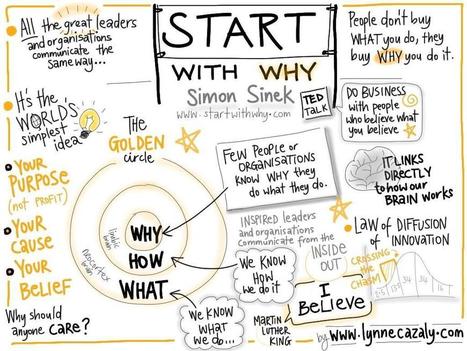
 Stefano Stranges is a photographer from Turin who was born in 1978. In 2012, he attended the master class of the Magnum agency focused on reportage photography with particular interest in social projects.
In one of his
exhibitions called “Le bambine salvate,” Stranges was able to help raise awareness of the gender inequality problem in India by showing the lives of Indian girls. Some of the problems he shed light on included violence
against women, forced marriages, rape, and general discrimination. Stranges has visited the villages where most of them come from and portrayed intimate, dramatic, and unexpectedly joyful moments.
“My projects and my work start with the social and sociological approach and are determined by the empathy between my subject and me.”
His photos are not posed. On the contrary, he portrays the typical day of an Indian girl at her house. In all of them you see young teenagers taking care of two or three children in their homes while their husbands are not
around. They all share the same dream: to become successful independent working women.
If a fourth child is a female, a popular superstition regards it as a sign of misfortune: Indhumati, born after a male and two females, would have been sacrificed if Terre des Hommes had not intervened. She today is 19 years
old and studies computer science. She wants to become a teacher and devote herself to the children of less well-off families. She is very proud of her personal story. “The infamy of killing little girls must never be repeated,”
she says.
Karthiga, an 18-year-old girl and child of four, had another destiny: she got married with the boy next door and for this she had to interrupt her studies. Her day is divided between the child, the domestic tasks, and the calf
to be cared for, all under the supervision of her mother-in-law.
Harini, last of three sisters, lives with her parents in two rooms without windows built on the back of her father’s barber shop. Her passion for the studio transformed the house walls into sheets for notes. She studied civil
engineering and dreamed of becoming governor of the Salem District. “God blessed us when he changed our mind and did not allow us to kill her as soon as she was born,” says her mother, who works for Terre des Hommes today.
This dream for an Indian girl is very challenging to obtain; and for Stranges, it was not an easy task to describe.
Two of my students from Università Cattolica had the opportunity to see “Le bambine salvate” exhibition on the field trip study during my course. One is from Germany, the other from Ecuador: two completely different countries
and realities. Coming from diverse backgrounds made them perceive the exhibition in different ways and awakened different feelings.
Constanze (German) said, “For me it was sad to see how gender inequality is still so strong and inclement in some corners of the world that it can even get to the point to kill little girls just to avoid paying for their education and life. However, when I saw the picture of the founder and director of Terre des Hommes Core, I felt a glimpse of hope for the Indian women. I knew that just the fact that one organization was already stepping up for women and their cause is already a good sign and way of getting to a better world. Coming from Germany where there are many independent and successful working women, it is really shocking to see these. I remember I was walking one day into a kindergarten to pick up one of my nieces and was surprised of the important number of fathers picking up the kids. I thought I was going to see more mothers, but this was not the case. I think people from India deserve to achieve this equity standard that Germany enjoys nowadays. In Germany women and men are almost equal. There are a lot of women who are responsible for their own works, families, and houses, just as men in India.”
Isabel replied “For me, coming from Ecuador, the images of Stranges were realities I see everyday when walking around my city. The exhibition reminded me of the town where I go to the beach. Once, on a Saturday morning, I went to a bakery and there were only women working in the neighborhood. I found this weird and then I heard they were all complaining about how lazy their husbands were. I think gender inequality in Ecuador is different than in India, but it is still present. In this small-town, men take advantage of women in every way. They go out to party and get very drunk. As a consequence the following day they cannot work, and their wives must take care of their houses, children, the mess from last night, and even their work responsibilities. They think they are the rulers and because of this their wives must do all they asked them to. This is very wrong, because responsibilities should be divided equally. It should be as in Germany, where both women and men work, clean, and pick up children from school. A place where men also do laundry and go grocery shopping.”
After discussing our different points of views, students mentioned the United Colors of Benetton campaign called #Unitedbyhalf that is committed to fighting gender inequality around the world,
especially in Indian. It is a gender equality campaign that shows the many capabilities of Indian women and how they are the other half of the country. This means that not only the half of the country made up by men is
able to achieve wonderful things, but women, the other half, are also capable of achieving highly.
They also mentioned Ariel’s #sharetheload campaign about men sharing the laundry load with women. These two big brands are notable examples of gender equality promotions. Also, they
incentive oppressed women to fight for themselves and their rights and give hope of a better and more equal world.
While listening to their discussion, I thought both Ariel and Benetton are examples of ‘Purposewashing.’ I do prefer brands like Patagonia against Benetton because of its purpose (and I’m not alone), which
is not just a matter of cause related marketing: Patagonia really does believe in what it does, because the company was born with it in its DNA. But at the same time I think we need to distinguish marketing/communication
strategies and business strategies/processes.
I have then shared with all my students this question: Considering communication as a persuasive tool, what should brands do? Should they try more efficient ways to sell their products (even with AI, etc.) or could they also
create debate on social issues (eg. Dove, Ariel, etc.)? In other words, should brands create more meaningful ads (like Persil “Free the Kids”) even while they still have horrible impacts on the environment (with plastic
waste, water consumption, etc.)?
Stefano Stranges is a photographer from Turin who was born in 1978. In 2012, he attended the master class of the Magnum agency focused on reportage photography with particular interest in social projects.
In one of his
exhibitions called “Le bambine salvate,” Stranges was able to help raise awareness of the gender inequality problem in India by showing the lives of Indian girls. Some of the problems he shed light on included violence
against women, forced marriages, rape, and general discrimination. Stranges has visited the villages where most of them come from and portrayed intimate, dramatic, and unexpectedly joyful moments.
“My projects and my work start with the social and sociological approach and are determined by the empathy between my subject and me.”
His photos are not posed. On the contrary, he portrays the typical day of an Indian girl at her house. In all of them you see young teenagers taking care of two or three children in their homes while their husbands are not
around. They all share the same dream: to become successful independent working women.
If a fourth child is a female, a popular superstition regards it as a sign of misfortune: Indhumati, born after a male and two females, would have been sacrificed if Terre des Hommes had not intervened. She today is 19 years
old and studies computer science. She wants to become a teacher and devote herself to the children of less well-off families. She is very proud of her personal story. “The infamy of killing little girls must never be repeated,”
she says.
Karthiga, an 18-year-old girl and child of four, had another destiny: she got married with the boy next door and for this she had to interrupt her studies. Her day is divided between the child, the domestic tasks, and the calf
to be cared for, all under the supervision of her mother-in-law.
Harini, last of three sisters, lives with her parents in two rooms without windows built on the back of her father’s barber shop. Her passion for the studio transformed the house walls into sheets for notes. She studied civil
engineering and dreamed of becoming governor of the Salem District. “God blessed us when he changed our mind and did not allow us to kill her as soon as she was born,” says her mother, who works for Terre des Hommes today.
This dream for an Indian girl is very challenging to obtain; and for Stranges, it was not an easy task to describe.
Two of my students from Università Cattolica had the opportunity to see “Le bambine salvate” exhibition on the field trip study during my course. One is from Germany, the other from Ecuador: two completely different countries
and realities. Coming from diverse backgrounds made them perceive the exhibition in different ways and awakened different feelings.
Constanze (German) said, “For me it was sad to see how gender inequality is still so strong and inclement in some corners of the world that it can even get to the point to kill little girls just to avoid paying for their education and life. However, when I saw the picture of the founder and director of Terre des Hommes Core, I felt a glimpse of hope for the Indian women. I knew that just the fact that one organization was already stepping up for women and their cause is already a good sign and way of getting to a better world. Coming from Germany where there are many independent and successful working women, it is really shocking to see these. I remember I was walking one day into a kindergarten to pick up one of my nieces and was surprised of the important number of fathers picking up the kids. I thought I was going to see more mothers, but this was not the case. I think people from India deserve to achieve this equity standard that Germany enjoys nowadays. In Germany women and men are almost equal. There are a lot of women who are responsible for their own works, families, and houses, just as men in India.”
Isabel replied “For me, coming from Ecuador, the images of Stranges were realities I see everyday when walking around my city. The exhibition reminded me of the town where I go to the beach. Once, on a Saturday morning, I went to a bakery and there were only women working in the neighborhood. I found this weird and then I heard they were all complaining about how lazy their husbands were. I think gender inequality in Ecuador is different than in India, but it is still present. In this small-town, men take advantage of women in every way. They go out to party and get very drunk. As a consequence the following day they cannot work, and their wives must take care of their houses, children, the mess from last night, and even their work responsibilities. They think they are the rulers and because of this their wives must do all they asked them to. This is very wrong, because responsibilities should be divided equally. It should be as in Germany, where both women and men work, clean, and pick up children from school. A place where men also do laundry and go grocery shopping.”
After discussing our different points of views, students mentioned the United Colors of Benetton campaign called #Unitedbyhalf that is committed to fighting gender inequality around the world,
especially in Indian. It is a gender equality campaign that shows the many capabilities of Indian women and how they are the other half of the country. This means that not only the half of the country made up by men is
able to achieve wonderful things, but women, the other half, are also capable of achieving highly.
They also mentioned Ariel’s #sharetheload campaign about men sharing the laundry load with women. These two big brands are notable examples of gender equality promotions. Also, they
incentive oppressed women to fight for themselves and their rights and give hope of a better and more equal world.
While listening to their discussion, I thought both Ariel and Benetton are examples of ‘Purposewashing.’ I do prefer brands like Patagonia against Benetton because of its purpose (and I’m not alone), which
is not just a matter of cause related marketing: Patagonia really does believe in what it does, because the company was born with it in its DNA. But at the same time I think we need to distinguish marketing/communication
strategies and business strategies/processes.
I have then shared with all my students this question: Considering communication as a persuasive tool, what should brands do? Should they try more efficient ways to sell their products (even with AI, etc.) or could they also
create debate on social issues (eg. Dove, Ariel, etc.)? In other words, should brands create more meaningful ads (like Persil “Free the Kids”) even while they still have horrible impacts on the environment (with plastic
waste, water consumption, etc.)?
 Despite the positive intentions regarding the consumption of green, or sustainable, goods, there is a gap between intention and purchasing behavior. According to Nielsen research, western consumers in 2018 spent $128 billion on sustainable consumer goods ($125 billion in 2017) with 20% growth since 2014. Nielsen predicts that by 2021 this figure will reach $150 billion. One in two consumers in the United States say they are ready to change their consumer habits to reduce their impact on the environment; in particular, millennials are much more likely to be ready than baby boomers (75% against 34%). 80% of millennials say they are willing to pay more for products that declare their social responsibility and 90% are willing to pay more for those products that serve ingredients that are environmentally friendly.
Despite the encouraging data, products that can be considered sustainable today represent 22% of total sales (an increase of only 3 percentage points compared to 2014). Many authors––Bray et al. (2011), Gleim et al. (2013), Carrington et al. (2014)––identified the reasons why green consumption has not yet taken off: the lack of references, the difficulty of supply, the high price, and the lower quality. A recent
Despite the positive intentions regarding the consumption of green, or sustainable, goods, there is a gap between intention and purchasing behavior. According to Nielsen research, western consumers in 2018 spent $128 billion on sustainable consumer goods ($125 billion in 2017) with 20% growth since 2014. Nielsen predicts that by 2021 this figure will reach $150 billion. One in two consumers in the United States say they are ready to change their consumer habits to reduce their impact on the environment; in particular, millennials are much more likely to be ready than baby boomers (75% against 34%). 80% of millennials say they are willing to pay more for products that declare their social responsibility and 90% are willing to pay more for those products that serve ingredients that are environmentally friendly.
Despite the encouraging data, products that can be considered sustainable today represent 22% of total sales (an increase of only 3 percentage points compared to 2014). Many authors––Bray et al. (2011), Gleim et al. (2013), Carrington et al. (2014)––identified the reasons why green consumption has not yet taken off: the lack of references, the difficulty of supply, the high price, and the lower quality. A recent 



 Thanks to the enormous marketing efforts put in place, the technology sector is