Discover More About Cause Related Marketing 2.0 Thanks to Burger King and Mattel
When a company has difficulty in finding its ‘good side’ instead of purposeful communication, one of many solutions can be “cause related marketing 2.0” (CRM). What exactly is involved in a “linear CRM”? The cause supported by the company is not necessarily a charity’s––it has to do with marketing.
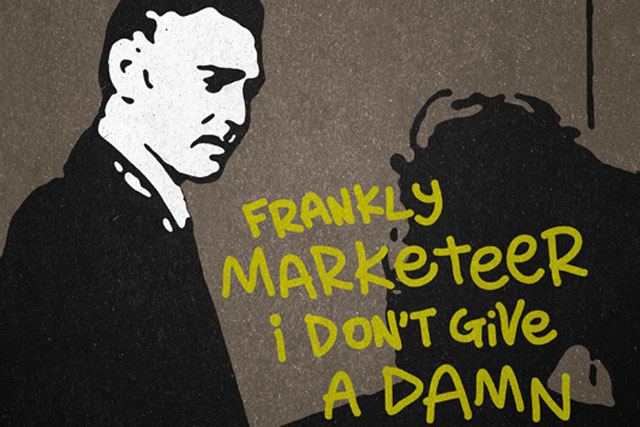
Take for example hackvertising, a strategy of multi-award-winning Chief Marketing Officer Fernando Machado, who launched some of the most interesting campaigns in the last few years, including Dove’s Real Beauty sketches and Burger King and its “net neutrality” prank:
Burger King played the role of “facilitator” on a subject of public interest (the neutrality of the web), creating awareness among a range of citizens not used to taking part in such conversations and raising public attention of an issue that may not have received much attention otherwise. With this project, Burger King underlines that brands, thanks to their share of voice, their ability to be heard, can direct the gaze of citizens towards urgent current issues playing a role well beyond the pure player within their market.
For another example, look at the new Barbie’s strategy as described by Alaina Crystal from AMV BBDO. Crystal digs deep into the reason why Ruth Hander created Barbie with such a contemporary purpose:
“The little girl could be anything she wanted to be.”
Starting from this, in 2016 Mattel transformed Barbie’s shapes in response to the scorching criticism of an ideal body shape that is unattainable for most girls, communicated a positive message of girl empowerment with Imagine the Dossibilities, and in 2017 their “Dads Who Play with Barbie” campaign aimed to broaden their audience and broke prejudices against men partaking in feminine activities. However, while Mattel has taken positive steps in its communication, it has not communicated a responsible plan for the company’s suppliers to fight against Chinese factory workers’ poor labor conditions and toxic products.
Although I appreciate Mattel and Burger King efforts towards a more conscious consumer, all of this is not without risks. There is a potential danger that the brands’ commercial aims (selling more burgers for example) could end up simplifying the very issues that they are supporting.
And so one wonders how Mattel is taking responsibility for suppliers to combat the inadequate working conditions in Chinese factories and fight against the use of toxic products. Likewise, if we look at fast food restaurants, the impact on the environment of production, delivery, cooking, and packaging of food is enormous and according to some sources cited by the Guardian, Burger King’s animal feed comes from deforested lands in Brazil and Bolivia.
If we don’t start seeing brands for what they really are, instead of only seeing what they want to show us, we won’t be able, as consumers and concerned citizens, to demand respect and responsibility towards our planet. The only way companies are going to change is if they see a reaction from us towards a more sustainable production and consumption. Let’s change the talk.
Since you’re here… Our mission is to monitor Advertising to make certain that companies obey ethical standards of trustworthiness and transparency while communicating their commitment to addressing the great challenges of the New Millennium. From climate emergency to social inequality through all the issues included in the Sustainable Development Goals Agenda, we monitor the consistency of their statements, if they are ‘walking the talk’. With rising misinformation and commercial ownership, independent information is more and more rare. We think citizens deserve access to accurate analyses with integrity at their heart, so we can all make critical decisions about our lives, health and enviroment – based on fact, not fiction. Our editorial independence means our content agenda is set only to voice our opinions, supported by in-depth research, free from any political and commercial bias, never influenced by interested owners or shareholders (which we don’t have). It means we can stand up to mainstream and give a voice to those less heard. We hope this will motivate you to make a contribution in support of our open, independent journalism. Every reader contribution, however big or small, is so valuable. Support BeIntelligent from as little as €5 – and it only takes a minute.Thank you.
I have been dealing with communication for 20 years, I have worked in marketing for large international and Italian companies and I know the mechanisms of advertising persuasion. I decided to invest my know-how and my skills to use the available resources of companies (budgets but also human capital) in positive transformation. Because to students from all over the world I teach at Purpose Brands in Catholic University I wish to give more and more examples of virtuous companies that have invested for the future, of everyone (and there are already many!). Because if we watch, without acting, without taking responsibility, we have no excuse. View all posts by elena grinta
Creattivismo | L’Advertising contro i prodotti che fanno male
24 Ottobre 2018
In un recente articolo sulla Creative Review, Naresh Ramchandani, un copywriter autorevole e influente, ha chiesto all’intero settore se non sia giunto il momento di introdurre un divieto simile a quello sulle sigarette, sui prodotti che danneggiano il nostro pianeta, dicendo:
“By being production-heavy, or CO2-intensive, or non-reusable or non-recyclable, many of the products we’re paid to promote have an irrefutably negative effect on the environment. When an ad sells another one of these products, it advances its client’s profitability, but also harms the prospects of humanity. Which brings us to an extremely inconvenient truth for our industry that wasn’t raised at Cannes – in fact, I’m not sure I’ve seen it raised anywhere: that products like these shouldn’t be allowed to advertise.”
Responsabilità Personale e Responsabilità Sociale
Due anni fa, quando mi sono chiesta perché mi appassionavo di pubblicità e content marketing, ho avuto una chiara e profonda rivelazione: la responsabilità. Dirigere l’Associazione OBE in Italia mi ha chiarito che non ci sono più limiti alla capacità persuasiva di un brand, poiché ora il messaggio pubblicitario è perfettamente realizzato sottoforma di contenuti veri e propri, il che è una grande opportunità per le aziende ma implica anche una maggiore responsabilità etica
Questa epifania mi ha portato a chiedermi come le aziende potrebbero svolgere un “ruolo migliore” nella società. Ad esempio, se dovessero dirigere i loro sforzi (investimenti, know-how, capitale umano …) per “fare bene”.
Comunicazione che fa bene per Aziende che vogliono fare bene
La comunicazione ‘purpose driven‘ (comunicazione ‘che fa Bene’, guidata da una valida intenzione) è il modo per raccontare una storia vera e unica ben al di là rispetto al singolo prodotto o persino alla storia dell’azienda. Ci sono molti modi per raccontare una storia, ma non tutti sono sempre adatti.
#CreActivism è un termine che prendo in prestito da Pascal Gielen che indica una forma di azione, un processo critico di riflessione sui problemi che affliggono la contemporaneità con un approccio attivo per migliorare le condizioni quotidianamente attraverso la creatività. È la sincrasi perfetta di #Creatività (che è un atto primordiale, nascita fisica, prima ancora di speculazione astratta) e #Attivismo nei suoi significati più contemporanei e pacifisti.
Applicato alla pubblicità, il CreAttivismo si combina perfettamente con un paio di altre tendenze di marketing: brand purposing brand activism; il primo riguarda l’obiettivo aziendale, la sua missione e visione, il secondo riguarda le azioni concrete.
Quello che considero CreAttivismo è un perfetto unisono tra lo scopo del marchio, le azioni del marchio, la comunicazione del marchio. Per avere una migliore comprensione di ciò che è CreAttivismo, prendiamo Patagonia come esempio. CreAttivismo per Patagonia ha significato la creazione di una campagna pubblicitaria dirompente “Non comprare questa giacca” e allo stesso tempo l’attuazione di azioni sostanziali per proteggere l’ambiente (investimenti in Ricerca e Sviluppo contro il polimero C8 inquinante dopo la campagna di GreenPeace) . Sebbene il loro approccio fosse rischioso per i risultati d’azienda, il messaggio intendeva incoraggiare le persone a riflettere sull’effetto delle loro pratiche di consumo sull’ambiente. Di conseguenza, Patagonia è riuscita a creare una forte comunità di consumatori fedeli che apprezzano i prodotti del marchio, ma soprattutto i suoi valori.
Certo, non è sempre facile trovare un “perché” autentico e credibile dietro a un prodotto / azienda. E questo può significare un potenziale ostacolo per i marchi che si espongono con comunicazioni ‘cause related‘.
Guarda il settore tessile – il più inquinante dopo l’industria Oil & Gas – e campagne come “Conscious Exclusive” di H&M: un esempio di “green washing“, dato che solo l’1% degli abiti riciclati diventa un nuovo capo d’abbigliamento
Oppure l’industria alimentare, responsabile di oltre il 25% delle emissioni di gas serra, e l’epico fallimento di Chipotle Mexican Grill, per non aver supportato con i fatti il suo sostegno alla agricoltura sostenibile e le dichiarazioni anti-OGM (ricorderete ‘Back to the start’ campagna pluripremiata nel 2012), e alla pandemia di E-coli che ha portato a un crollo della reputazione del brand, che deve ancora essere ricostruita diversi anni dopo la crisi.
Come tutti sappiamo, l’obiettivo finale delle aziende è vendere più prodotti, se però a tale scopo “monetizzano” i valori umani si presenterebbe una grande questione etica.
Dal momento che sei arrivato fino a qui La missione del nostro magazine online è scrivere di come le aziende stanno comunicando il loro impegno per affrontare le grandi sfide del Nuovo Millennio. Dall’emergenza climatica all’ineguaglianza sociale passando per tutte le tematiche incluse nell’Agenda degli Obiettivi di Sviluppo Sostenibile, grazie ad algoritmi di intelligenza artificiale, monitoriamo la congruità delle loro affermazioni, cioè se fanno quello che dicono. In un mondo in cui l’informazione veritiera è una merce sempre più rara, pensiamo che i cittadini meritino di avere accesso ad analisi accurate che hanno al centro l’integrità. La nostra indipendenza editoriale significa che la nostra agenda di contenuti viene declinata soltanto per dare voce alle nostre opinioni, sostenute da ricerche approfondite, liberi dall’influenza politica e commerciale di shareholders e proprietari milionari (che non abbiamo). Questo significa che possiamo esprimere opinioni in controtendenza e dare voce a chi ne ha di meno. Speriamo che questo possa motivarti a sostenerci ogni giorno. Il contributo di ogni lettore, piccolo o grande che sia, è estremamente utile. Supporta BeIntelligent anche con unpiccolo contributo. Grazie!
Mi occupo di comunicazione da 20 anni, ho lavorato nel marketing di grandi aziende internazionali e italiane e conosco i meccanismi della persuasione pubblicitaria. Ho deciso di investire il mio know how e le mie competenze per usare le risorse che hanno a disposizione le aziende (investimenti ma anche capitale umano) nella trasformazione positiva. Perché agli studenti di tutto il mondo a cui insegno Purpose Brands in Università Cattolica voglio poter dare sempre più esempi di aziende virtuose che hanno investito per il futuro, di tutti (e ce ne sono già molte!). Perché se stiamo a guardare, senza agire, senza responsabilizzarci, non abbiamo scuse. View all posts by elena grinta
Ecofriendly. Organico. Naturale. Fast? 1 Giugno, 2020 Ecofriendly. Organico. Naturale. Verde. Questi termini vengono spesso vengono spesso utilizzati per pubblicizzare…
La salvaguardia dei diritti Non è un gioco da ragazzi.
18 Aprile 2019
Il 20 dicembre 2013 l’Assemblea generale delle Nazioni Unite (UNGA) ha proclamato il 3 marzo – giorno della firma della Convenzione sul commercio internazionale delle specie di flora e fauna selvatiche minacciate di estinzione nel 1973 – come UN World Wildlife Day per celebrare e preservare gli animali e le piante del mondo.
Per rendere le famiglie consapevoli della scomparsa delle specie nel mondo e di incoraggiare genitori e bambini a usare la propria capacità immaginativa per trovare soluzioni, in Francia, DDB crea per Play-Doh una campagna che celebra il potere dell’immaginazione dei più piccoli, ma ha anche un sottotesto: nel mondo reale le creature stanno scomparendo a causa della perdita di habitat e del degrado ambientale. e allora che fare ? i bambini possono introdurre nuove “specie” con la pasta Play Doh!
Forse non tutti sanno che quando fu prodotto per la prima volta negli anni ’30, il composto per modellare veniva venduto come detergente per carta da parati. Dopo aver scoperto che alcuni insegnanti stavano usando il prodotto per far giocare i bambini, i fondatori si sono resi conto che aveva un potenziale in un modo molto diverso ed è stato rielaborato e commercializzato nelle scuole negli anni ’50.
Quella stessa pasta da modellare è servita per creare decine di creature immaginarie, tutte fatte a mano e poi animate una ad una, successivamente ‘esposte’ online in una specie di divertente Museo di Storia Naturale: la Galleria delle Specie Emergenti.
La campagna (che ha ricevuto numerosi riconoscimenti) declina ulteriormente il concept ‘A can of Imagination’, lanciata dal brand nel 2016, per il suo 60 ° anniversario, con l’obiettivo di ricordare a tutti che modellare la pasta è ancora un modo meraviglioso per i bambini di esprimersi e sviluppare la loro immaginazione.
Nella Galleria delle Specie Emergenti ogni nuova specie è accompagnata da una breve descrizione su habitat, stile di vita, dieta e temperamento, narrata in stile documentaristico sia in inglese che in francese. Da una parte i bambini sono ingaggiati attraverso una promessa di divertimento, dall’altra gli adulti scovano giochi di parole e battute ammiccanti che restano oscure ai più piccoli. Ad esempio, la descrizione delle creature “Bigbrother” cita artisti del calibro di Kim Jong Il, e una nota dice che questa specie è stata soprannominata lo “Stalin della campagna”. La creatura è nota per la sua capacità di sorveglianza a 360 gradi, sia di giorno che di notte, un omaggio al BigBrother di George Orwell nel romanzo 1984 da cui è ispirato il personaggio.
Buffo che venga utilizzato il personaggio di Orwell, metafora per antonomasia della sorveglianza senza limiti. Play-doh è uno dei marchi inclusi nel portafoglio marchi di Hasbro. Diversi anni fa, lo stato di New York ha perseguito Hasbro e altre tre società per aver consentito il monitoraggio dell’attività che i bambini (età inferiore ai 13 anni) svolgevano mentre visitavano le loro piattaforme Web consentendo a terze parti l’uso dei dati raccolti per scopi di targeting pubblicitario. Hasbro avrebbe raccolto dati sui visitatori di Nerf.com al fine di retargetarli in futuro, quando avrebbero visitato altri siti. Gli accordi legali hanno previsto che Viacom pagasse $ 500,00, Mattel $ 250.000 e Jumpstart $ 85.000. Hasbro, che ha partecipato a un programma di “safe harbor” approvato dalla Federal Trade Commission, non è stato multato.
Quello sulla violazione della privacy non è l’unico incidente che Hasbro ha dovuto affrontare. Secondo un’indagine, gli operai cinesi che producono giocattoli per Hasbro, Disney e Mattel sono soggetti a condizioni di lavoro “da incubo” nel periodo che precede il Natale.
Il rapporto, intitolato “The dark side of a glittering world” mostra i risultati delle organizzazioni China Labor Watch, ActionAid, CiR e Solidar Suisse, che hanno inviato investigatori sotto copertura a quattro fabbriche che producono giocattoli in China. Dall’inchiesta è emerso che nella stagione di alta produzione, i dipendenti lavoravano fino a 175 ore di straordinario al mese. Il diritto del lavoro cinese limita gli straordinari mensili a 36 ore al mese, ma il rapporto sostiene che le fabbriche chiedono spesso ai governi locali di attuare un “orario di lavoro completo” per annullare la legislazione esistente. l’indagine sostiene inoltre che i datori di lavoro non fornivano formazione di base sulla sicurezza e che i lavoratori spesso maneggiavano sostanze velenose e cancerogene come il benzene. Gli investigatori avrebbero anche scoperto che i lavoratori erano costretti a firmare contratti di lavoro in bianco e dormivano in alloggi di fortuna, che spesso ospitavano otto persone in una stanza con strutture antigeniche e senza acqua calda.
Hasbro ha confermato in un’e-mail che i suoi prodotti sono stati prodotti in due delle strutture citate nel rapporto, ma ha rifiutato le accuse:
“Le accuse contenute nel rapporto non sono suffragate dall’ampio monitoraggio e dagli audit condotti da Hasbro nel corso del 2018 ed entrambi i fornitori sono in regola con i solidi requisiti di approvvigionamento etico di Hasbro”, ha detto un portavoce alla CNBC.
Difficile immaginare in effetti come tali violazioni possano coesistere con un payoff aziendale che declama: “At Hasbro, we play with purpose. We are using our business as a force for good and building a safer, more sustainable and inclusive company and world for all”
Per Hasbro è fondamentale “rendere il mondo un posto migliore per i bambini e le loro famiglie attraverso la responsabilità sociale di impresa e la filantropia”. Il loro sito web comunica con successo questo messaggio con il senso di giocosità e gioia che ci si aspetta dal loro marchio. Le quattro aree principali su cui si concentrano nella comunicazione degli obiettivi sono: sicurezza dei prodotti, sostenibilità ambientale, diritti umani e sourcing etico, diversità e inclusione. Per quanto riguarda la sicurezza dei prodotti, Hasbro promette di testare la qualità e la sicurezza dei propri giocattoli in ogni singola fase del ciclo di vita del prodotto. Oltre a soddisfare tutti gli standard nazionali e internazionali, l’azienda ha un proprio standard che ciascuno dei suoi prodotti deve superare prima di arrivare al consumatore.
Per quanto concerne la sostenibilità ambientale, Hasbro riconosce i danni che la propria attività può avere sull’ambiente, per questo l’azienda sta concentrando i propri sforzi nella creazione di imballaggi sostenibili, innovando i materiali, ottimizzando il proprio sistema di distribuzione per ridurre l’impatto ambientale. Nel 2019, Hasbro ha iniziato a utilizzare la plastica bioPET, che è composta da materiale vegetale derivato da sottoprodotti agricoli, oltre a lanciare un programma con TerraCycle incentrato sul riciclaggio di giocattoli e giochi. Hasbro si unisce ad altre società – tra cui Mattel – nel boicottare la società indonesiana Asia Pulp and Paper (APP), un gruppo che Greenpeace sostiene sia coinvolto nell’abbattimento delle foreste asiatiche. Entro il 2025 l’azienda si è data obiettivi ambientali specifici da raggiungere: riduzione del 25% dei consumi energetici, riduzione del 50% dei rifiuti in discarica, riduzione del 20% delle emissioni di gas serra e 15% riduzione del consumo di acqua. Oggi Hasbro afferma di aver raggiunto il 100% di energia rinnovabile e la carbon neutrality nelle fabbriche statunitensi di proprietà e gestite. dichiarano inoltre di compiere molti sforzi per educare i propri dipendenti sull’importanza di vivere una vita sostenibile non solo nel lavoro ma nella loro vita quotidiana.
Per quanto riguarda la supply chain, l’azienda riconosce che la sua catena è responsabile della maggior parte dell’impatto ambientale causato dall’azienda. Hasbro richiede che tutte le società terze che producono e confezionano i loro prodotti seguano i criteri di sostenibilità dell’azienda.
Grazie a tutti questi sfrozi, Hasbro ha ricevuto alcuni importanti riconoscimenti tra cui:
il primo posto nella lista 100 Best Corporate Citizens, che classifica le aziende più trasparenti e responsabili negli Stati Uniti.per il terzo anno consecutivo si è classificata nella Top five;
riconosciuta come una delle aziende più etiche al mondo da Ethisphere per l’ottavo anno consecutivo;
classificata terza nella Green Rankings 2017 di Newsweek, con punteggi perfetti in termini di produttività di energia, rifiuti, acqua e carbonio.
Insomma, un’azienda così impegnata, non può proprio permettersi accuse di violazione di diritti. Giusto?
Dal momento che sei arrivato fino a qui La missione del nostro magazine online è scrivere di come le aziende stanno comunicando il loro impegno per affrontare le grandi sfide del Nuovo Millennio. Dall’emergenza climatica all’ineguaglianza sociale passando per tutte le tematiche incluse nell’Agenda degli Obiettivi di Sviluppo Sostenibile, grazie ad algoritmi di intelligenza artificiale, monitoriamo la congruità delle loro affermazioni, cioè se fanno quello che dicono. In un mondo in cui l’informazione veritiera è una merce sempre più rara, pensiamo che i cittadini meritino di avere accesso ad analisi accurate che hanno al centro l’integrità. La nostra indipendenza editoriale significa che la nostra agenda di contenuti viene declinata soltanto per dare voce alle nostre opinioni, sostenute da ricerche approfondite, liberi dall’influenza politica e commerciale di shareholders e proprietari milionari (che non abbiamo). Questo significa che possiamo esprimere opinioni in controtendenza e dare voce a chi ne ha di meno. Speriamo che questo possa motivarti a sostenerci ogni giorno. Il contributo di ogni lettore, piccolo o grande che sia, è estremamente utile. Supporta BeIntelligent anche con unpiccolo contributo. Grazie!
Mi occupo di comunicazione da 20 anni, ho lavorato nel marketing di grandi aziende internazionali e italiane e conosco i meccanismi della persuasione pubblicitaria. Ho deciso di investire il mio know how e le mie competenze per usare le risorse che hanno a disposizione le aziende (investimenti ma anche capitale umano) nella trasformazione positiva. Perché agli studenti di tutto il mondo a cui insegno Purpose Brands in Università Cattolica voglio poter dare sempre più esempi di aziende virtuose che hanno investito per il futuro, di tutti (e ce ne sono già molte!). Perché se stiamo a guardare, senza agire, senza responsabilizzarci, non abbiamo scuse. View all posts by elena grinta
Ecofriendly. Organico. Naturale. Fast? 1 Giugno, 2020 Ecofriendly. Organico. Naturale. Verde. Questi termini vengono spesso vengono spesso utilizzati per pubblicizzare…
How to Become a Brand Activist. Follow the Example of Tony’s Chocolonley.
Creating a movement through a brand is possible only when the people in the company, starting with the CEO, are involved in that cause.
I’d love to tell you the story of a well-known journalist who has become a successful entrepreneur with a great purpose. I’m talking about Henk Jan, CEO of Tony’s Chocolonely, who was awarded the title of Marketer of the Year in 2017. Not even Jan himself expected much success from a company born of a journalistic report. It all started in 2003 when, during a documentary for Dutch television, he discovered that most of the cocoa used by the big corporations was collected by exploiting child labor and investigating the main operating brands in the cocoa industry. He soon realized that he had touched one of the points industry pains. This is how the first slave-free chocolate campaign was born. 15,000 indignant consumers pre-ordered the chocolate bars, and the whole supply was sold in a day. After 10 years, the company had a turnover of €9.6 million, and in 2015 it opened its first international office in the United States. To ensure that the chocolate it was buying was slave free, the company entered into an agreement to directly buy cocoa beans from farmers by paying them a figure 25% higher than the average to combat child slavery. From 2017-2018, Tony’s Chocolonely recorded sales of around €55 million.
Here’s what business with purpose means : the founders started this adventure to meet the goal that the company still has today: freeing the chocolate sector from slavery.
The company’s motto is “Crazy about Chocolate, Serious about People.” To ensure that it follows through with the motto, Tony’s followed a road map in three steps:
Create awareness – since 2005, raise consumers and retailers’ aware of the existing inequalities in the cocoa sector
Lead by example – from 2012, try to show the other players of the industry that one can have commercial success without exploiting child labor
Inspire to act – today, finding fellow industry, political, NGO, and scientific partners to work together towards change
So here we are: a true brand activist, born to change the status quo. Jan never gave up his initial mission, which was the engine of his commercial success.
Not surprisingly, Tony’s is a B Corp [1], a company that voluntarily aims to achieve and maintain certain environmental and social performances and is committed to stakeholders rather than to shareholders.
For Tony’s Chocolonley, the road is a clear path, and the communication of the results achieved is effective, starting from their trustworthy [2] (several different agencies have verified the company’s claims) and funny sustainability report (yes, I really wrote funny), from which I quote just one of the many choices and results:
“We could have chosen the path of least resistance. We could have just said, ‘Our chocolate is 100% slave free, pinky promised.’ We could have started our own fully controlled farm. But we did none of the above. Why? Because of ab-so-lute-ly nothing would have changed for the 2.5 million exploited farmers and their families in Ghana and the Ivory Coast. Zip, zilch, nada.”[3]
No doubt arises, after reading the 69 pages of reports that Tony’s is “an impact organization that sells chocolate and is trying to change the chocolate industry from within.” [4]
Indeed, one wonders how the big players of the cocoa industry can ignore the appeal of this exceptional company to ‘copy’ their model: “We have not convinced any large company in the industry to copy our game rules. We note that interest is on the rise, but as of 1 October 2018 we have not yet seen any ‘white smoke’ [5].”
While progress may be slow in the cocoa industry toward equitable and human practices, Tony’s Chocolonely does not stand alone as a B Corp. Other companies––such as Divine Chocolate Ltd in October 2016, Doisy & Dam Limited in April 2017, ÓBOLO Chocolate SpA in April 2019, and Valrhona in January 2020––have also received the certification.
[1] a certification spread in 71 countries and 150 different sectors, issued to companies by B Lab , an international non-profit organization.
[2] Disclaimer: this is not fake news! We’ve thoroughly checked all the facts and all of them from reliable, independent sources. These include the Global Slavery Index, Tulane University, True Price and the Cocoa Barometer, which monitors the state of affairs in chocolate land every other year. And we’ve also asked PWC to assess the 12 non-financial key performance indicators. Want to know more about the facts? Give us a call or send us an email!
[4]The chocolate industry from the inside is an organization that sells chocolate and is trying to change.
[5] We have not yet persuaded large players in the industry to copy our rules of the game. We can see that there is no white smoke yet, there is a lack of any figures reviewed by PwC.
Since you’re here… Our mission is to monitor Advertising to make certain that companies obey ethical standards of trustworthiness and transparency while communicating their commitment to addressing the great challenges of the New Millennium. From climate emergency to social inequality through all the issues included in the Sustainable Development Goals Agenda, we monitor the consistency of their statements, if they are ‘walking the talk’. With rising misinformation and commercial ownership, independent information is more and more rare. We think citizens deserve access to accurate analyses with integrity at their heart, so we can all make critical decisions about our lives, health and enviroment – based on fact, not fiction. Our editorial independence means our content agenda is set only to voice our opinions, supported by in-depth research, free from any political and commercial bias, never influenced by interested owners or shareholders (which we don’t have). It means we can stand up to mainstream and give a voice to those less heard. We hope this will motivate you to make a contribution in support of our open, independent journalism. Every reader contribution, however big or small, is so valuable. Support BeIntelligent from as little as €5 – and it only takes a minute.Thank you.
I have been dealing with communication for 20 years, I have worked in marketing for large international and Italian companies and I know the mechanisms of advertising persuasion. I decided to invest my know-how and my skills to use the available resources of companies (budgets but also human capital) in positive transformation. Because to students from all over the world I teach at Purpose Brands in Catholic University I wish to give more and more examples of virtuous companies that have invested for the future, of everyone (and there are already many!). Because if we watch, without acting, without taking responsibility, we have no excuse. View all posts by elena grinta
Branded content & Entertainment e il senso del dono
03 Dicembre 2018
Il branded content & entertainment è percepito dal consumatore-spettatore come una ricompensa da cui trarre beneficio (anche come intrattenimento), e non come un’interruzione di un’attività. È qui che emerge il senso del “dono”: grazie ad un’identificazione chiara e inequivocabile del mittente (conosco esattamente chi sta parlando), il contenuto acquista un significato (so chi mi sta dando un regalo e perché). Viene creato un punto di incontro tra il marchio e il consumatore, con beneficio per entrambe le parti.
In dettaglio, il BC&E impatta sul marchio in 2 modi: relazione e potenziamento (Brand lift) del marchio.
Relazione: un contenuto che ha un valore in sé, che è difficile da ignorare perché dà un senso all’esperienza in sé richiede coinvolgimento, più attenzione, in contrapposizione alle forme tradizionali di comunicazione (es .: pubblicità) che applicano il modello Interruzione / Ripetizione.
Brand lift: una strategia che può rafforzare la consapevolezza e il ricordo del marchio (brand recall), migliorare l’atteggiamento verso il marchio, soprattutto quando i suoi valori si collegano con la dimensione simbolica ed evocativa della narrazione del contenuto.
Il BC&E può anche cambiare il comportamento del consumatore che è invogliato ad informarsi sul marchio, a testare il prodotto (intenzione di acquisto) e a suggerire l’acquisto (preferenza).
Se si desidera adottare una strategia di BC&E è necessario seguire alcune semplici regole per evitare un “fallimento” (epic fail), tra cui la trasparenza, paradigma fondamentale della Comunicazione che fa Bene
Se sei interessato ad unirti alla conversazione, unisciti alla nostra community.
Dal momento che sei arrivato fino a qui La missione del nostro magazine online è scrivere di come le aziende stanno comunicando il loro impegno per affrontare le grandi sfide del Nuovo Millennio. Dall’emergenza climatica all’ineguaglianza sociale passando per tutte le tematiche incluse nell’Agenda degli Obiettivi di Sviluppo Sostenibile, grazie ad algoritmi di intelligenza artificiale, monitoriamo la congruità delle loro affermazioni, cioè se fanno quello che dicono. In un mondo in cui l’informazione veritiera è una merce sempre più rara, pensiamo che i cittadini meritino di avere accesso ad analisi accurate che hanno al centro l’integrità. La nostra indipendenza editoriale significa che la nostra agenda di contenuti viene declinata soltanto per dare voce alle nostre opinioni, sostenute da ricerche approfondite, liberi dall’influenza politica e commerciale di shareholders e proprietari milionari (che non abbiamo). Questo significa che possiamo esprimere opinioni in controtendenza e dare voce a chi ne ha di meno. Speriamo che questo possa motivarti a sostenerci ogni giorno. Il contributo di ogni lettore, piccolo o grande che sia, è estremamente utile. Supporta BeIntelligent anche con unpiccolo contributo. Grazie!
Mi occupo di comunicazione da 20 anni, ho lavorato nel marketing di grandi aziende internazionali e italiane e conosco i meccanismi della persuasione pubblicitaria. Ho deciso di investire il mio know how e le mie competenze per usare le risorse che hanno a disposizione le aziende (investimenti ma anche capitale umano) nella trasformazione positiva. Perché agli studenti di tutto il mondo a cui insegno Purpose Brands in Università Cattolica voglio poter dare sempre più esempi di aziende virtuose che hanno investito per il futuro, di tutti (e ce ne sono già molte!). Perché se stiamo a guardare, senza agire, senza responsabilizzarci, non abbiamo scuse. View all posts by elena grinta
Ecofriendly. Organico. Naturale. Fast? 1 Giugno, 2020 Ecofriendly. Organico. Naturale. Verde. Questi termini vengono spesso vengono spesso utilizzati per pubblicizzare…
The Cannes Lions Festival, the most important advertising festival in the world, Cannes Lions announces on March 18, 2020 that the annual Festival of Creativity will not take place in June as previous planned, due to coronavirus emergency. They are for sure preparing for the great challenges of 2020, including a critical analysis of the “purposing” that has become one of the many marketing activities for many brands to respond to the relentless demand from consumers of taking responsibility for major environmental and social problems. Thus the Ascential press office announced that in the 2010 edition, “The world’s largest brands and agencies will discuss how they deal with global critical issues, from climate change to inequality” and called the topic “post-purpose” (inspired by the terms post-modern, post-human, and post-truth) rather than use the outdate word purpose. Results count.
If it is not yet clear, there is in fact a difference between purpose campaigns and business with purpose: “Purpose brands do not campaign, they create movement,” said Valerie Hernando Press (Chief Marketing Officier at Danone) at the 2019 Cannes Lions Festival as she was presenting the projects carried out by Danone within the “One planet. One Health” program.
The concept is quite simple. “Brand activism” can be defined as participatory activation of corporations in social action. But its realization is not obvious. An epochal change should be foreseen which, if fully realized, would describe a new role of “legal persons,” subjects who, in addition to having the same rights, would also potentially have the same conscience as “natural persons” and therefore the same possibility of being the engine of action.
Activism, according to the Cambridge Dictionary, means “the use of direct and noticeable action to achieve a result , usually a political or social one.”
In short, we return to the results. Or rather we start from the results. And it is a great revolution that could be carried out before our eyes. Raj Patel in his book The Value of Nothing called for juridical (or “artificial”) people––public and private––to be rethought to allow sustainable policies to take off. “But the losses caused by the abandonment of old habits,” Patel explains, “will be more than offset by the new ones”
The value of Nothing Coverbook
To explain his point of view, he proposed an episode [1] in the history of US law in which being a legal person for companies actually meant being able to trample on the rights of natural persons. In 1994, Vermont voters asked to know whether the milk they consumed contained the growth hormone rBST, which had been banned in Canada, Australia, New Zealand, and partly in Europe but was (and still is) used in the US. To answer this request, the Vermont legislators passed a law in April 1994 that required the specification of rBST on the label. Six non-profit companies, all created, financed, and directed by corporations, sued the State of Vermont claiming the rights to the First Amendment, thus obtaining the annulment of the labeling law. It was in the final decision, “the State of Vermont can’t compel the dairy manufacturers to speak against their will.” . In this case, the company (the legal persons) was given the same level of rights as the customers (the natural persons), and the constitutional guarantees of the first amendment for legal persons actually ended up annulling the same right to natural persons.
But what we are witnessing today is a great opportunity, in which the individual responsibility of the legal person could mean making it part of an ecosystem, making the same commitments, and conducting the same battles alongside the natural people.
This is perhaps the point of view of David Droga, president of the SDGs category jury at the Cannes Lions Advertising Festival in 2019, when he said: “Brands are citizens as well.”
If brands are citizens themselves, then in the words of Valerie Hernando Press, “Brands can act as true activists.”
Photo credits: “Sin título (ciencia ficción)”, 2007, 4 óleos sobre piel sintética de Marina Núñez
Since you’re here… Our mission is to monitor Advertising to make certain that companies obey ethical standards of trustworthiness and transparency while communicating their commitment to addressing the great challenges of the New Millennium. From climate emergency to social inequality through all the issues included in the Sustainable Development Goals Agenda, we monitor the consistency of their statements, if they are ‘walking the talk’. With rising misinformation and commercial ownership, independent information is more and more rare. We think citizens deserve access to accurate analyses with integrity at their heart, so we can all make critical decisions about our lives, health and enviroment – based on fact, not fiction. Our editorial independence means our content agenda is set only to voice our opinions, supported by in-depth research, free from any political and commercial bias, never influenced by interested owners or shareholders (which we don’t have). It means we can stand up to mainstream and give a voice to those less heard. We hope this will motivate you to make a contribution in support of our open, independent journalism. Every reader contribution, however big or small, is so valuable. Support BeIntelligent from as little as €5 – and it only takes a minute.Thank you.
I have been dealing with communication for 20 years, I have worked in marketing for large international and Italian companies and I know the mechanisms of advertising persuasion. I decided to invest my know-how and my skills to use the available resources of companies (budgets but also human capital) in positive transformation. Because to students from all over the world I teach at Purpose Brands in Catholic University I wish to give more and more examples of virtuous companies that have invested for the future, of everyone (and there are already many!). Because if we watch, without acting, without taking responsibility, we have no excuse. View all posts by elena grinta
A campaign to revitalize an ancient payoff Bad PR is Still Good PR
Trying to define manhood What if the true target was the female one? Riding social causes is the new black. Don’t sweep the dirt under the carpet Does this ‘cause related’ campaign will turn into a suicide in the market?
7 Ways to View the New Gillette Ad #toxicmasculinity
With its much-talked-about ad, Gillette is attempting to take its highly distinctive slogan “The Best a Man Can Get” and revitalize it for a new era.
A Campaign to Revitalize an Ancient Payoff
Gilette’s new campaign thoughtfully and critically examines what “The Best a Man Can Get,” the brand’s iconic tagline, means today. It’s a must watch, according to Arianna Huffington Founder and CEO at Thrive Global.
It’s similar to what Nike did for its ‘Just Do It’ tagline when it came out with the award-winning Colin Kaepernick ‘Dream Crazy’ campaign
“But the difference between Nike and Gillette is as glaring as that between night and day. Nike used the authenticity of Kaepernick, the pathos in his voice and the positivity of his message to inspire customers with an aspirational message that attracted them and then propelled them to purchase. Gillette’s ad feels like a tedious, politically correct public health video – the kind of film we were forced to watch in school about road safety before they invented the internet. Never mind making me hate Gillette, it makes me feel bad about pretty much everything.” Mark Ritson Marketing week [1].
The campaign is coupled with a donation pledge and a partnership with non-profits, starting with the Boys & Girls Club of America.
To be honest, while watching the video, you feel a little bit uneasy. You don’t know exactly what’s wrong with it, as the Blinkauthor Malcom Gladwell describes in his book.
If the brand purpose was sincere, it could build a support association, helping men who suffered from bullying and sexual harassment or creating a public school program to raise awareness on such problems (what they are probably doing). So, why did Gillette and its agency Grey opt to engage Kim Gehrig, one of a new generation of directors showcased by the Free the Bid campaign (which attempts to hire more female directors into advertising), who directed some of the most awarded campaigns in the last 3-4 years (John Lewis ‘Man on the Moon’, Sport’s England’s ‘This girl can’ just to name a few)?
“Instead of wasting millions producing this BS spot, Gillette should have just donated the money to the #MeToo movement.” Barbara Dickey, Owner & Chief Creative Officer, Cre8tivision LLC
Bad PR is Still Good PR
Yes, the video generated a lot of buzz and conversations.
Since the ad was posted on 14 January on Gillette’s YouTube channel, it has received more than two million views. But it’s also gained an over 80% downvote ratio with 500,000 dislikes. We can assume the concept of this campaign is to highlight the advent of a new “masculinity” banning any kind of toxicity (bullying, sexual assault, etc.).
This ad, instead of communicating the functionality of the product or highlighting its benefits over another product, is focused on evoking feelings about the brand, a brand that is a commodity in an increasingly boring industry (that’s oversaturated with too many competitors).
“In a commoditized industry, what becomes your competitive advantage may just be as simple as a making a social statement like this. To say they made a poor ad is really missing the point. On a more personal note, as a man with kids, I really liked the ad. And I liked the message. “The Best A Man Can Get.” Christopher Cope VP Sales & Marketing/Creative at Raleigh Enterprises
I looked at the polarized comments with interest. Well, if sparking the conversation was the goal, they’ve certainly already [2] achieved it! But while the video is going viral, the dialogue seems to be lost in translation on all sides.
There are articles (on Forbes and MarketingWeek, for example) that have underlined how the imagery and tone of the message (along with use of the phrase toxic masculinity) miss the mark. In truth, even if the intention was there, the execution fell short for many.
Some people found it sexist, condescending, and preachy to men. Others in general dislike politics and how others throw it around in seemingly extremist ways.
Yet some others think it represents the new “brand” of men.
Trying to define manhood
What does it mean to be a man nowadays? The ad suggests it is to stand boldly for what is right and protect others who are facing injustice, no matter what gender, color, or age. But isn’t this a golden rule for any human being, no matter their gender?
And shouldn’t responsible parents have already instilled most of these ideals in their sons?
“The implication from this ad is that, without self-awareness, men are automatically going to engage in “toxic masculinity” rather than assuming the majority of men are well adjusted, and that masculinity itself is not toxic. In contrast to the marketing campaign P&G used for women, which takes the opposite tack: you ARE even better than you think! You ARE good enough! Literally the opposite of what this ad is implying.” Roger Wemyss Cybersecurity Product Manager
“This was P&G’s attempt to replicate the (deserved) success of its Dove “Real Beauty” campaign, which also sought to affect social norms. The crucial difference is that campaign made the user feel better about herself. This does the opposite. Big mistake. “ Lisa Rothstein, Brand Storyteller, Communicate Better With Everyone | Brand Storyteller | New Yorker Cartoonist | Speaker | Copywriter | Visual Facilitator
“The strategy originally was probably on point; something around what an aspirational man looks like in 2019 as opposed to 1989. He doesn’t win at sports and fly planes, he is just a decent man and role model. Sadly, tactically this execution is dreadful. Conflates innocent male behavior with the very worst kind of almost criminal behavior. Focuses almost entirely on the negative, not the positive and leaves the viewer depressed.” Ian MacDonald Partner, VP Strategy & Media at CO-OP | Tech Investor
In 2019 you still find plenty of “men as idiots” ads that actually do tell men how to behave or make fun of abusive behaviors. Apparently nobody makes an uproar about those. And Gillette used to create a super-man ideal––“Its male image is masculine, confident and well groomed”[3]––in the last 30 years through influential sportsmen in the same “macho” context they now blame. After decades of Gillette feeding the same toxic masculinity they now condemn (Gillette promoted the new razor with a campaign in Italy starring Antoine Griezmann and Neymar Jr. no later than 6 months ago claiming: “No matter what the challenge, to do your best, you should constantly strive to improve yourself.”), the campaign puts a mirror in front of men and fuels the debate in the ‘human’ direction. What if, before awaking their consumers’ souls, they acknowledge the role they played in the past with a mea culpa?
“Sadly this is a company that embraced the toxins of mainstream masculinity to its fullest when it suited their advertising needs, and not only do I see no razors, I see almost no visual tip of the hat to the fact that their ads helped fuel this behavior in the past. If Larry keeps kicking me in the shins, I don’t want Larry to tell me, “We all need to take a good look at ourselves, and think about the damage we have done to people’s shins in the past!” I want Larry to admit he was a jerk and promise me he won’t kick me in the shins again.” Lyon Reese First Assistant Director.
They could take many different ways to get to the point: on Jul 11, 2018, Dollar Shave Club published on YouTube their inclusive campaign “Whoever you are, however you Get Ready … Welcome to the Club.”[4] A different way to welcome every kind of masculinity
On top of that, through the ad’s generalization, Gillette fell back on stereotypes. Although they are different from the generalizations against diversity, the ad is still contemptible because the principle itself still bundles all forms of masculinity together, be they toxic or not.
“The ad is amateurishly stereotypical and mostly offers a caricature of masculinity”. [5] Avi Dan, Forbes
The epic men (from Ulysses to trovadores ) used to be represented as full of dignity, honor, and respect, especially for women. Where has that gone? Men in pop culture (from advertising to video games) are rarely honorable anymore, rarely dignified, and everyone cries that “chivalry is dead.” Watch television today––what kind of masculinity is pictured? This holds true for the movie industry as well. During 1970s, Madison Avenue and Hollywood decided that sex sells––and women obliged. Now after more than 50 years, the industry is trying to turn that around.
“Enough is enough! We men are mad as hell, fed up to here, and are not going to take it anymore! I say we should boycott all personal grooming products (that includes you, Gillette), let our hair and beards grow long and shaggy, stop bathing and brushing our teeth, and start wearing furs and skins. We need to go back to being real men, the way our stone age male ancestors were before the invention of flint grooming tools turned us all into a bunch of soft sissified wimps ashamed of our toxic behavior (and odor). ” –Michael Coulas, Senior Software/System Engineer
????
Certainly the search for a new type of manhood is underway. Men have lost their reference points and struggle, even today, to find an ideal.
What If the True Target Was the Female One?
The campaign has the feminine touch of the director, who almost seems to use the film to free herself of a weight, a conscience too full of experiences (direct or indirect) that push her to shout, “Some are not enough!” (“Men need to hold other men accountable. To say the right thing. To act the right way. Some already are. But some is not enough”[3].)
“It’s rather sad that, as I watched the commercial, I found myself thinking, ‘This commercial and overall campaign must be the product of a woman’s mind. Men tend not to be so thoughtful and caring.’” John C. Leighton. former R&D executive in synthetic and natural polymers.
In so doing, Gehrig gathers, using her call of hope, the women who have already awakened their conscience (the quote from the initial #MeToo campaign is emblematic). That’s with results like this:
“Tomorrow morning I am going to start buying Gillette products for my husband and my son. I AM certainly your target demographic customer and a vocal brand advocate now. WELL done.” Jill Elliott, SPHR , SVP, People + Culture + Charitable Foundation R&R Partners
Riding Social Causes Is the New Black
Dentsu Aegis counted that in 2017, nearly 50% of the Cannes Lions awards were handed to purposeful campaigns (as opposed to 29% of the Grand Prix or Gold Lions in the previous four years). This trend was reinforced in 2018: Almost 60% (15 out of 27) of Cannes Grand Prix winners were assigned to purposeful campaigns. Trend-watching CEO David Mattin says consumers don’t want to make the world a better place, they want brands to do that for them. I know it’s not 100% true (some of them are ready to make a change), but it’s a big deal for corporations. And also a big challenge. That’s probably why purposeful campaigns have recently become an advertising trend.
“This is a moment here. The largest CPG company in the world just jumped into the camp of American Progressives with both feet. Bravo.” Pete Louison Creative Director at Oracle Data Cloud
“Amazing and brave leadership from Proctor and Gamble. Rather than demonizing men, I believe the ad highlights the enormous impact good men can have. Living in a country (Australia) where hundreds of women die every year at the hands of male partners / family members, where sexual assault and sexism is still a major problem, where young gay men go through absolute hell – anything that can encourage us all, and particularly men, to rethink behaviour has got to be a positive step. As a strong believer in business’ power to do good in this world, I’m wholly supportive of this campaign. ” Beth Worrall, National Skills Program Lead at Microsoft
And what if it were another brand that jumped on the purpose bandwagon? Is this something Gillette really believes in? Why is this brand thrusting itself into a movement? Is this a sincere message or an exploitative play? Does Gillette have the right to drive this conversation?
Don’t Sweep the Dirt Under the Carpet
There’s potential backlash for brands that don’t walk the talk. If brands create their own identity through purposeful campaigns, they actually expose themselves to the risk of being strongly criticized if there is a perceived values gap. As we all know brands are ultimately trying to sell more products. If they also monetize human values, it is a big ethical issue.
“You wanna talk about toxicity? Let’s do it, Gary! 1. Proctor & Gamble tests on animals, and has for decades. 2. Aluminum in your deodorants, + fluoride in your toothpastes and mouthwashes cross the BBB (blood brain barrier), causing the reduction of dendritic spines in the brain. This phenomenon is DIRECTLY linked to Alzheimers and other neurocognitive impairments plus a myriad of other neurological and physical ailments caused by heavy metal toxicity. You were saying?” Wes Dickinson, President at Lighthouse Group LLC
“You can’t be a purpose brand by accident – it has to pervade who you are, what you say and what you do.” Rob McPherson Former President – Bacardi Canada.
The brand was involved in another social campaign last year, Handle with care, which brought the public’s attention to the “grey generation” and started a new chapter of brand advertising, intended to redefine masculinity.
That campaign probably wasn’t strong enough, even though Grey decided to push on the accelerator and had possibly bitten off more than it could chew. I think brands that take purposeful communication seriously should start from their “why.” Once they find the real reason why they exist, they should “creact”: engage a critical process of reflection on the problems that afflict contemporaneity with an active approach to improve conditions on a daily basis through creativity.
Will This Cause-related Campaign Turn Into a Market Suicide?
Marketing success or failure is ultimately judged on whether the campaign moves the sales needle. Will P&G’s stock go up or down? Hard to answer: Nike’s stock went up after its campaign on social issues while Starbucks’ stock went down after claiming its mission is to “inspire and nurture the human spirit.”
“There is a special place in marketing hell for companies that not only waste their marketing budgets but actually invest that money into things that ultimately make their situation much worse. That’s going to be the cost of this foray into brand purpose for Gillette” (MarketingWeek).
Working in the advertising/media industry for the last 20 years has helped me to understand how companies could play a better role in society. For instance, they can use their efforts (investments, know-how, human capital, etc.) to do good. But as I am a marketing (and business) professional, I know that it would only work if they balance their good deeds with their financial performance.
At this stage we can certainly say Gillette did two things: 1. got people talking or texting about Gillette with intent and 2. started an important discussion about what makes a man masculine.
Since you’re here… Our mission is to monitor Advertising to make certain that companies obey ethical standards of trustworthiness and transparency while communicating their commitment to addressing the great challenges of the New Millennium. From climate emergency to social inequality through all the issues included in the Sustainable Development Goals Agenda, we monitor the consistency of their statements, if they are ‘walking the talk’. With rising misinformation and commercial ownership, independent information is more and more rare. We think citizens deserve access to accurate analyses with integrity at their heart, so we can all make critical decisions about our lives, health and enviroment – based on fact, not fiction. Our editorial independence means our content agenda is set only to voice our opinions, supported by in-depth research, free from any political and commercial bias, never influenced by interested owners or shareholders (which we don’t have). It means we can stand up to mainstream and give a voice to those less heard. We hope this will motivate you to make a contribution in support of our open, independent journalism. Every reader contribution, however big or small, is so valuable. Support BeIntelligent from as little as €5 – and it only takes a minute.Thank you.
I have been dealing with communication for 20 years, I have worked in marketing for large international and Italian companies and I know the mechanisms of advertising persuasion. I decided to invest my know-how and my skills to use the available resources of companies (budgets but also human capital) in positive transformation. Because to students from all over the world I teach at Purpose Brands in Catholic University I wish to give more and more examples of virtuous companies that have invested for the future, of everyone (and there are already many!). Because if we watch, without acting, without taking responsibility, we have no excuse. View all posts by elena grinta
CreActivism | Advertisers Against Harmful Products
In a recent article in the Creative Review, Naresh Ramchandani, a leading influential creative copywriter, asked the entire industry whether it is now time to introduce a ban similar to the one on cigarettes, on products that harm our planet, saying:
“By being production-heavy, or CO2-intensive, or non-reusable or non-recyclable, many of the products we’re paid to promote have an irrefutably negative effect on the environment. When an ad sells another one of these products, it advances its client’s profitability, but also harms the prospects of humanity. Which brings us to an extremely inconvenient truth for our industry that wasn’t raised at Cannes – in fact, I’m not sure I’ve seen it raised anywhere: that products like these shouldn’t be allowed to advertise.”
Two years ago, when I asked myself why I was so concerned about advertising and branded content & entertainment (BC&E), I had a clear and profound epiphany: responsibility. Leading the BC&E Association in Italy made it clear to me that there are no longer limits to brand persuasion, as now their messages are perfectly crafted as contents––which is a big opportunity, but it also implies a greater ethical responsibility. That led to considering how companies could play a “better role in the society” (for example, whether they used their efforts (investments, know-how, human capital…) to “do good”).
Purposeful communication is the way to tell a true unique story far behind the product or even the company history. There are many ways to tell a story, but not all of them are always the right fit.
#CreActivism is a term I borrow from Pascal Gielen meaning a form of action, a critical process of reflection on the problems that afflict contemporaneity with an active approach to improve conditions on a daily basis through creativity. It is the perfect portmanteau of #Creativity (which is a primordial act, physical birth, even before abstract speculation) and #Activism in its most contemporary and pacifist meanings.
Applied to advertising, #CreActivism combines perfectly with a couple of other marketing trends: brand purposing and brand activism, the first concerning the corporate goal, mission, and vision, the second regarding its concrete actions.
I consider #CreActivism to be a perfect unison between brand purpose, brand actions, and brand communication.
And to have a better understanding of what #CreActivism is, let’s take Patagonia as an example. #CreActivism for Patagonia has meant the creation of a disruptive advertising campaign “Don’t buy this jacket,” and at the same time the implementation of substantial actions to protect the environment (for example, investments in R&D against the pollution of C8 polymer after Greenpeace criticized the company). Although the approach was risky, the message was intended to encourage people to consider the effects of their consumption practices on the environment. As a result, Patagonia managed to establish a strong community of consumers who appreciate the brand’s products but, most importantly, its values.
Of course, it’s not always easy to find an authentic and credible “why” behind a product or company. And this can mean a potential backlash for brands that don’t walk the talk.
Look at the textile sector––the most polluting after the oil and gas industry––and campaigns like “Conscious Exclusive” by H&M. “Conscious Exclusive” is an example of “alternative facts,” given that only 1% of recycled clothes become new H&M clothes.
Take also the food industry, which is responsible for more than 25% of greenhouse gas emissions and a few public health scares. Take Chipotle as an example: the chain’s actions have not supported its sustainable agriculture and anti-GMO claims (remember the multi-award winning “Back to the Start” campaign in 2012?), as can be proven with the operational failures leading to E. coli pandemic and a collapse in #reputation, which is still having to be rebuilt several years after the crisis.
In Chipotle’s case, advertising claiming sustainable agriculture was in total contradiction with the consumer perception after the E. coli outbreak.
As we all know, brands are ultimately trying to sell more products. If they also “monetize” human values, it is a big ethical issue.
Since you’re here… Our mission is to monitor Advertising to make certain that companies obey ethical standards of trustworthiness and transparency while communicating their commitment to addressing the great challenges of the New Millennium. From climate emergency to social inequality through all the issues included in the Sustainable Development Goals Agenda, we monitor the consistency of their statements, if they are ‘walking the talk’. With rising misinformation and commercial ownership, independent information is more and more rare. We think citizens deserve access to accurate analyses with integrity at their heart, so we can all make critical decisions about our lives, health and enviroment – based on fact, not fiction. Our editorial independence means our content agenda is set only to voice our opinions, supported by in-depth research, free from any political and commercial bias, never influenced by interested owners or shareholders (which we don’t have). It means we can stand up to mainstream and give a voice to those less heard. We hope this will motivate you to make a contribution in support of our open, independent journalism. Every reader contribution, however big or small, is so valuable. Support BeIntelligent from as little as €5 – and it only takes a minute.Thank you.
I have been dealing with communication for 20 years, I have worked in marketing for large international and Italian companies and I know the mechanisms of advertising persuasion. I decided to invest my know-how and my skills to use the available resources of companies (budgets but also human capital) in positive transformation. Because to students from all over the world I teach at Purpose Brands in Catholic University I wish to give more and more examples of virtuous companies that have invested for the future, of everyone (and there are already many!). Because if we watch, without acting, without taking responsibility, we have no excuse. View all posts by elena grinta
Do Goodvertising and Purposeful Communication Need a Code of Ethics?
Philanthropy, CSR, and purposeful communication have at least one goal in common: to do well by consumers who, directly or indirectly, are being addressed. But is it always so? Through the analysis of the communication that the companies Purdue Pharma, British Petroleum have adopted, we will try to understand whether there is a virtual limit beyond which not only the “purposeful” campaigns (guided by a “high” purpose’) are no longer effective for companies that adopt them but whether they are also potentially harmful to consumers.
Philanthropy Or Reputation Laundering?
in 2018 the Guggenheim Museum in Manhattan, New York, was at the center of a protest against its financing by the Sackler family, the head of Purdue Pharma, which markets OxyContin. A few days afterwards, Columbia University and the University of Washington, which have both received donations from the Sacklers in the past, announced that they will no longer accept grants from the family.
What is behind this protest?
The American photographer Nan Goldin, who claimed to have become addicted to OxyContin after the pills were prescribed, lead the protest along with other artists and activists against the campaigns of cultural philanthropy, claiming that accepting funding from owners from similar companies makes cultural institutions accomplices of their damage.
The eight members of the Sackler family were accused of intentionally minimizing the dangers of taking OxyContin painkillers (seemingly more potent than heroin or morphine) and deceiving doctors into prescribing excessive doses for many patients who would never have had to take the drug. OxyContin is now considered co-responsible for the opioid crisis that is killing more than 100 people a day in America and has generated millions of addicts.
Opioids are not the only epidemic devastating America, despite the U.S. being one of the highest economically performing countries today. “By most accounts, Americans should be happier now than ever,” writes Jean M. Twenge, co-author Of theReport ‘World Happiness,’ published March 20, 2019, which monitors the level of happiness of the citizens of 156 countries in the world. “The violent crime rate is low, as is the unemployment rate. Income per capita has steadily grown over the last few decades. ” Yet Americans are sad.
Jeffrey D. Sachs, director of the Sustainable Development Solutions Network (SDSN), Director of the Center for Sustainable Development at Columbia University, and co-author of the report, explained in these terms the phenomenon:
My argument is that the U.S. is suffering an epidemic of addictions, and that these addictions are leaving a rising Portion of American society unhappy and a rising number clinically lonely.
The fact that the Guggenheim Museum and other cultural institutions have accepted the subsidies of Purdue Pharma under the guise of a philanthropic action with the twofold aim of “bringing the general public closer” and diverting attention from their responsibilities, with an effect of “reputation laundering “[3] , is cause for concern.
Activists @British Museum against BP sponsorship
This of the Guggenheim is not an isolated case. Many will remember the long-standing partnership between British Museum And British Petroleum, which frequently was the subject of a protest. Last time at the center of the controversy was the exhibition “I Am Ashurbanipal,” with the protesters claimed to have been taken from contemporary Iraq during the Ottoman era. The banners of the event said “colonialism crisis” and “stolen items.” So for BP the philanthropic sponsorship of the British Museum has become a constant cause for concern.
And even more worrying is the (unconscious?) intercession an institution such as the British Museum or the Guggenheim are pushed to do to get the funds to survive. I get to ask if the price they apply is worth the game. And if it is acceptable to the Government that culture remains alive thanks to the ‘soul washing’ or ‘reputation laundering’.
Unfortunately, it seems no one can feel immune to some form of addiction (hence the term epidemic used by the author of Report World Happiness Jeffrey D. Sachs). And from this perception to the salience and relevance of the subject.
A question arises: the basis of the purposeful communication or goodvertising (advertising that does good – whether developed through actions of philanthropy or CSR ) shouldn’t be a code of ethics?
Article written in collaboration with Stefano Serafinelli, clinical Psychologist, mindfulness intervention trainer.
Foto: Guggenheim Museum rebranding / 2019 By kissMiklos
[3] “There’s the question about whether Yale or any other university wants to be complicit in the reputation laundering of the donor. And at the very minimum there is that negative to put on the ledger of whatever good could be done with the gift.” Rob Reich, professor of ethics, Stanford University
Since you’re here… Our mission is to monitor Advertising to make certain that companies obey ethical standards of trustworthiness and transparency while communicating their commitment to addressing the great challenges of the New Millennium. From climate emergency to social inequality through all the issues included in the Sustainable Development Goals Agenda, we monitor the consistency of their statements, if they are ‘walking the talk’. With rising misinformation and commercial ownership, independent information is more and more rare. We think citizens deserve access to accurate analyses with integrity at their heart, so we can all make critical decisions about our lives, health and enviroment – based on fact, not fiction. Our editorial independence means our content agenda is set only to voice our opinions, supported by in-depth research, free from any political and commercial bias, never influenced by interested owners or shareholders (which we don’t have). It means we can stand up to mainstream and give a voice to those less heard. We hope this will motivate you to make a contribution in support of our open, independent journalism. Every reader contribution, however big or small, is so valuable. Support BeIntelligent from as little as €5 – and it only takes a minute.Thank you.
I have been dealing with communication for 20 years, I have worked in marketing for large international and Italian companies and I know the mechanisms of advertising persuasion. I decided to invest my know-how and my skills to use the available resources of companies (budgets but also human capital) in positive transformation. Because to students from all over the world I teach at Purpose Brands in Catholic University I wish to give more and more examples of virtuous companies that have invested for the future, of everyone (and there are already many!). Because if we watch, without acting, without taking responsibility, we have no excuse. View all posts by elena grinta
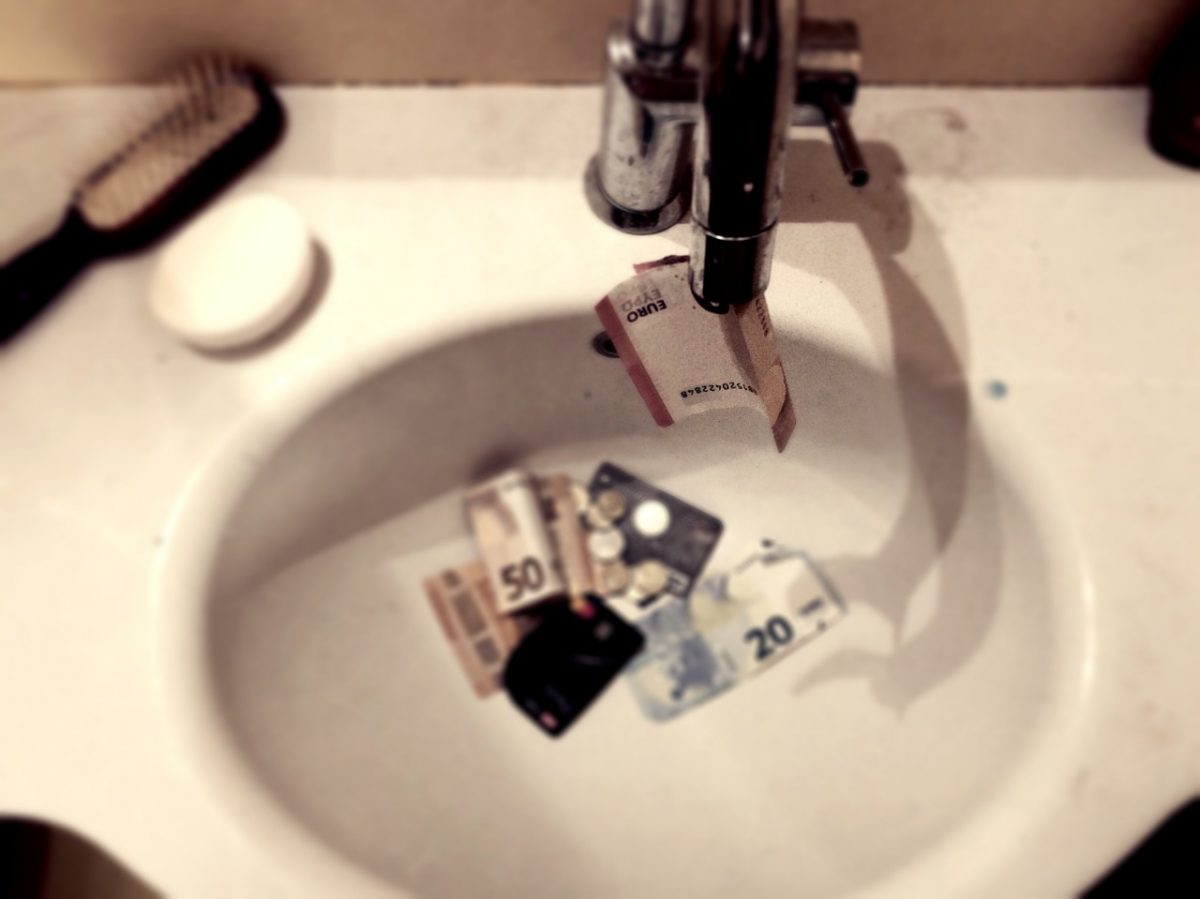
Around the world, many societies said that water scarcity is one of the main challenges that they are facing during the 21st century. This because of the consumption of water grew at a rate twice higher than the rate of the growth of the population, creating this phenomenon, that is not only natural but is also caused by the action of the human being. As we said before, this problem affects all the continents and a fifth part of the world’s population, live with this problem, while 500 million are about to face this situation. A change must be made within society with the aim of this problem does not continue increase, for this reason with this image we want to represent that having water in your home can be a luxury, because a lot of people have to travel long distances to collect non-potable water. So, realizing that water is not a resource that we must take for granted, but on the contrary the water is a non-renewable resource that the current generations are wasting and we are being selfish with next generations, taking their to have advantage of this resource and cover their needs. Many countries are already suffering the consequences of this event. If we continue in this way, only in 2025, 1,800 million people will live in countries or regions with absolute water shortages and two thirds of the world’s population will be facing critical water shortages. And during the year 2030, almost half of the world’s population will live in areas with water shortages.
Since you’re here… Our mission is to monitor Advertising to make certain that companies obey ethical standards of trustworthiness and transparency while communicating their commitment to addressing the great challenges of the New Millennium. From climate emergency to social inequality through all the issues included in the Sustainable Development Goals Agenda, we monitor the consistency of their statements, if they are ‘walking the talk’. With rising misinformation and commercial ownership, independent information is more and more rare. We think citizens deserve access to accurate analyses with integrity at their heart, so we can all make critical decisions about our lives, health and enviroment – based on fact, not fiction. Our editorial independence means our content agenda is set only to voice our opinions, supported by in-depth research, free from any political and commercial bias, never influenced by interested owners or shareholders (which we don’t have). It means we can stand up to mainstream and give a voice to those less heard. We hope this will motivate you to make a contribution in support of our open, independent journalism. Every reader contribution, however big or small, is so valuable. Support BeIntelligent from as little as €5 – and it only takes a minute.Thank you.


 Communication For Good. 2019 Italy Trends June 9, 2019 The research conducted by The Easy Way and EG Media…